












Note that iPhone devices from Mainland China aren’t eSIM compatible. Also iPhone devices from Hong Kong and Macao aren’t compatible (except for iPhone 13 Mini, iPhone 12 Mini, iPhone SE 2020 and iPhone XS)
The FIFA World Cup 2026 is coming to North America, and for football fans across the globe, that means one thing – it is finally time to plan the trip. Spread across 16 host cities in the United States, Canada, and Mexico, this edition of the tournament is the largest in World Cup history. From the storied stadiums of New York and Los Angeles to the electric football culture of Mexico City and the vibrant energy of Toronto, the 2026 tournament offers an experience unlike anything a football fan can find sitting at home watching a screen. The matches will be unforgettable. The question is whether your preparation will match the occasion.
Traveling for a major football tournament is a different kind of trip. You are coordinating flights between host cities, managing accommodation during periods of peak demand, navigating security procedures at some of the largest stadiums in the world, and doing all of it in a country – or three – that may be entirely new to you. A solid travel checklist is not just helpful for this kind of journey; it is essential. This guide walks you through every key area of preparation so that you arrive at each match ready, organized, and able to focus entirely on the football.
Getting Your Documents in Order Before You Fly
The very first thing any international traveler needs to confirm is their passport validity. For entry into the United States and Canada, most countries require a passport valid for the duration of your stay, though many immigration officers look for at least six months of remaining validity as a standard practice. Mexico officially requires a passport valid only for the length of your visit, but carrying a passport with at least six months of validity is always the safest approach. If yours is expiring within that window, renew it now – processing times tend to extend during peak travel seasons, and a World Cup year will qualify as one.
Travel Smarter with eSIM
Explore eSIM plans and stay connected wherever you travel
International fans traveling to the United States will need to check their visa requirements in advance. Citizens of visa waiver program countries can apply for an ESTA online before departure. Travelers from countries not on the waiver program will need to apply for a B-2 visitor visa, which can take weeks to process. Fans attending matches in Canada may need a visitor visa or an Electronic Travel Authorization, depending on their nationality. For Mexico, many nationalities can enter without a visa for short stays, but confirming your specific requirements well in advance is a step you cannot afford to skip when your World Cup tickets are already booked.
Beyond your passport and visa, keep physical and digital copies of your match tickets, travel insurance policy, hotel bookings, and any inter-city flight or rail reservations. Store digital copies in a cloud folder accessible from any device. Comprehensive travel insurance is strongly recommended for World Cup travel specifically. Tickets are expensive, accommodation during tournament windows carries a significant premium, and the logistical complexity of multi-city travel means that a cancelled flight or missed connection can have a ripple effect across your entire itinerary.
Packing Smart for a World Cup Trip
North America in June and July spans an enormous range of climates across the host cities. Miami and Dallas will be genuinely hot and humid during the tournament, with temperatures regularly exceeding 90 degrees Fahrenheit. Seattle and Vancouver will be considerably milder. Los Angeles in summer is warm but dry. Mexico City, sitting at over 7,000 feet of elevation, can feel surprisingly cool in the evenings even when daytime temperatures are comfortable. Packing a lightweight layer for evenings is wise regardless of which cities you are visiting, and breathable fabrics will serve you far better than heavier materials in the southern host venues.
Bring your national team jersey and any supporter gear that represents your allegiance. There is nothing quite like walking into a World Cup stadium wearing your country’s colors surrounded by fans from dozens of nations. Be mindful that FIFA has strict regulations on what can be brought into stadiums. Large bags, professional photography equipment, outside food and beverages, and political banners are among the items typically prohibited. Check the official FIFA stadium guidelines for each venue before match day to avoid a difficult conversation at the gate.
A portable phone charger is essential on a World Cup trip. Your phone will be your navigation device, your ticket wallet, your translator, your camera, and your primary communication tool – often all at once on the same match day. Pack a compact, high-capacity power bank and keep it charged. A small, anti-theft crossbody bag is also worth bringing for match days when you will be moving through large, crowded environments across unfamiliar cities.
Planning Your Match Day Experience
FIFA World Cup match day security is thorough, and the process takes time. Most stadiums will begin security screening and gate entry two to three hours before kickoff, and for high-profile knockout matches, the crowds arrive even earlier. Do not plan to arrive at the same time you would for a domestic club game. Build in a generous buffer, know exactly which gate your ticket assigns you to, and have your ticket accessible on your phone before you join any line. A dead phone in the entry queue with no portable charger is a genuinely miserable situation.
Check out our plans
-
North America 7 Days 3GB
USD 0.00 -
North America 7 Days Unlimited
USD 17.00 -
North America 15 days 5GB
USD 22.00 -
North America 15 Days Unlimited
USD 29.00 -
North America 30 days 8GB
USD 35.00 -
North America 30 Days Unlimited
USD 49.00
FIFA’s stadium regulations for the 2026 World Cup are more stringent than what most club football fans are used to. The prohibited items list typically includes bags larger than a specific size limit, any kind of external alcohol, non-transparent drink containers, noisemakers with mechanisms, and large flags without approved dimensions. Each venue may have additional host-city security requirements layered on top of the standard FIFA rules. Reading the guidelines specific to the stadium you are attending is not optional – it is part of your match day preparation.
A few practical match day logistics to confirm before you leave your accommodation:
- Which gate your ticket is assigned to, and the walking route from your nearest transit stop
- A designated meeting point for your group outside the stadium perimeter
- The stadium re-entry policy, since many World Cup venues do not permit re-entry once you have exited
- The local emergency number (911 in the USA and Canada, 911 or 112 in Mexico)
Transportation in American host cities varies considerably. New York and Boston have reliable subway systems that expand capacity on major event days. Los Angeles, Dallas, and Atlanta are more car-oriented cities where ride-sharing demand surges dramatically on match days and walk times from transit stops to stadiums can be significant. Research your specific host city’s transportation options well in advance, rather than assuming they will mirror your experience at European grounds.
Money and Budgeting for World Cup Travel
Budgeting for FIFA 2026 requires honest planning. World Cup match tickets themselves range from several hundred to several thousand dollars, depending on the round and the seating tier. Accommodation in host cities during tournament windows has already seen price increases, and the closer you get to match dates without a booking, the higher that premium will climb. If you have not already confirmed your accommodation, making that a priority now is the single most impactful budget decision you can make.
Inter-city travel within the United States is manageable by domestic flight, and booking those legs early offers the best prices. The train network in the northeastern corridor between Boston, New York, and Philadelphia is a practical option for fans attending matches in that cluster of host cities. For fans crossing between the United States and Mexico, ground crossings at major border cities are an option for those with the time, while direct flights between American host cities and Mexico’s host venues are widely available.
Notify your bank and credit card providers before you leave home. Foreign transactions can trigger automated fraud blocks, and having your card declined while trying to pay for accommodation in a new city is a stressful situation that a single phone call or online notification before departure eliminates entirely. Carry a modest amount of local cash as a backup, since not every vendor near a stadium will accept cards reliably during peak crowd periods.
North America eSIM for FIFA 2026
Stay connected at every World Cup match across the North America.
Staying Safe and Healthy During the Tournament
The World Cup draws an extraordinary concentration of people to specific locations on specific days, and large crowds always require a heightened degree of personal awareness. Pickpockets operate in these environments, particularly in the transit areas and fan zones immediately surrounding major venues. Keep valuables in secure inner pockets or a zipped bag worn in front of your body, and avoid displaying expensive equipment unnecessarily in dense pre-match crowds outside the stadium.
Supporters wearing their national colors are one of the defining visual experiences of a World Cup, and the overwhelming majority of interactions between fans of different nations are positive and celebratory. The World Cup is, at its core, a festival of football that draws people together. Staying aware of your surroundings, respecting local laws and customs in each of the three host countries, and drinking responsibly goes a long way toward keeping your experience safe and enjoyable throughout.
Carry your prescription medications in their original pharmacy packaging with a copy of the prescription if possible, particularly when crossing borders between the three host nations. Know the emergency services number at each location you are visiting. Heat-related illness is a genuine concern for matches played in June and July in the warmer southern venues – stay hydrated, wear sunscreen for outdoor fan zone events, and be prepared for the physical demands of a full match day that may start early in the morning and end late at night.
Making the Most of Your FIFA 2026 Experience
FIFA World Cup travel is not only about the matches. The host cities themselves are part of the experience, and 2026 offers an extraordinary lineup. New York and New Jersey bring the cultural diversity and electric pace of one of the world’s great cities. Los Angeles offers beaches, culture, and a film industry backdrop unlike anywhere else. Mexico City, one of the largest cities in the world, delivers an unmatched combination of pre-Columbian history, extraordinary food, and football passion that runs deeper than almost anywhere on the planet. Toronto is one of North America’s most welcoming and multicultural cities, and Vancouver’s setting between the mountains and the Pacific is genuinely stunning.
FIFA Fan Festivals are another major component of the World Cup experience that fans often overlook when planning. These are large, officially sanctioned outdoor events held in the host cities that feature live match screenings on giant screens, musical performances, interactive activities, and food and beverage vendors. Entry is typically free, and the atmosphere at a Fan Festival during a high-stakes knockout match can rival the tension inside the stadium itself. Building Fan Festival time into your schedule gives you a full experience of the tournament even on days when you are not attending a match in person.
Connect with fellow traveling supporters through national supporter clubs, official FIFA-affiliated travel programs, and the many football travel communities that have built up around the tournament. These groups provide practical advice, safe and organized pre-match gathering points, and the kind of shared experience that turns a good trip into a story you will still be telling a decade from now. Traveling alongside people who love football as much as you do, in cities you have never visited before, for the biggest sporting event in the world – there is genuinely nothing quite like it.
Staying Connected Across Three Countries

One of the most underestimated logistical challenges of the FIFA 2026 tournament is connectivity. Unlike a single-country World Cup, this edition asks many fans to travel across the United States, Canada, and Mexico – three separate countries with separate mobile networks. Using your home carrier’s international roaming across all three nations for an extended period can result in bill shock that outlasts the tournament by several months. Free Wi-Fi in American cities is inconsistent, and relying on it to pull up your digital ticket at a stadium entrance or navigate the subway in an unfamiliar city is a risk you do not need to take.
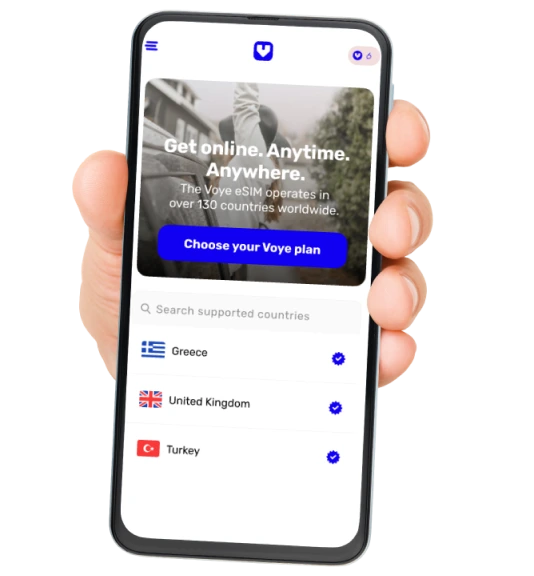
The most reliable and cost-effective solution is an eSIM. An eSIM is a digital SIM that you activate on your smartphone before you even leave home, giving you a local data plan that works the moment you land. For fans spending the bulk of their time in the United States, which hosts the majority of the 2026 matches, including the final, an eSIM for the USA from Voye Global gives you fast, affordable mobile data across all the major host cities without roaming charges or the hassle of swapping physical SIM cards. You land, you connect, and you move.
For fans extending their trip into Mexico City, Guadalajara, or Monterrey, a separate eSIM for Mexico handles coverage there just as cleanly. Many modern smartphones support multiple eSIM profiles simultaneously, which means you can have separate plans active for the USA and Mexico on the same device. The days of hunting for a phone store in a foreign city after a red-eye flight are genuinely behind you.
A Final Word
FIFA 2026 in North America is a once-in-a-generation opportunity for football fans, and the quality of your preparation will directly shape the quality of your experience. Working through this checklist systematically – confirming your documents and visa requirements early, packing appropriately for the range of climates across the host cities, planning your match day logistics in advance, and managing your budget with honesty – puts you in the best possible position to enjoy every moment of the tournament without preventable distractions.
Before anything else, make sure your connectivity is sorted before you leave home. A Voye Global eSIM for USA gives you instant, reliable mobile data across every American host city the moment you land – no roaming charges, no airport kiosks, and no time wasted hunting for coverage when you should be focused on the football. This is the World Cup. You have planned for this. Get your checklist done, get your eSIM active, and go enjoy every second of it.

Seamless Mobile Data Everywhere
Voye Global — Your Trusted eSIM Partner for Secure & Reliable Travel.



 English