




Taiwan is the trip that experienced travelers keep telling you about and first-time visitors consistently wish they had taken sooner. A world-class city in Taipei at roughly half the cost of Tokyo. Night markets that rival anything in Southeast Asia. A mountainous interior with gorges, hot springs, and tea plantations that most international visitors have never heard of. And a food culture so good that eating your way through the island is a legitimate travel strategy.
Taiwan does not have a bad season so much as seasons that suit different types of travel. Understanding the differences helps you plan around the things you most want to do.
Spring: March to May
The most consistently pleasant time to visit. Temperatures are mild – Taipei sits around 18 to 25 degrees Celsius – the mountains are lush, and typhoon season has not started. Cherry blossoms appear in Taipei around late February to March at Yangmingshan National Park. This is the best window for hiking in Taroko Gorge and Alishan without the summer heat or the typhoon-related trail closures. Accommodation is available without months of advance booking.
Summer: June to August
Hot and humid, particularly in Taipei where temperatures regularly reach 35 degrees and above. Typhoon season runs from June through September, with the highest risk in August and September. That does not mean you should not visit – storms pass quickly and the island has good typhoon infrastructure – but it does mean checking weather forecasts before booking domestic travel and having flexible plans. The upside: summer is festival season. Dragon Boat Festival in June is spectacular in Taipei. The east coast beaches come alive. And prices are not inflated the way they are in many European destinations at this time of year.
Autumn: September to November
The best overall season for most visitors. Typhoon risk drops sharply after September, temperatures become comfortable, and the island is at its most visually dramatic. The Harvest Festival season brings indigenous cultural events across the east coast. Lantern festivals and cultural markets run through October. Taroko Gorge is at its most accessible. If you have one window to visit Taiwan, autumn is it.
Winter: December to February
Mild in the south and coastal areas, cooler in Taipei and genuinely cold in the mountains. The hot springs in Beitou and Wulai become particularly appealing. Chinese New Year falls in January or February depending on the lunar calendar, and this is the busiest travel period of the year – book flights and accommodation months ahead if your dates overlap with it. Outside of Chinese New Year, winter is a low-crowd, lower-price season with comfortable temperatures in the south.
Stay Connected in Taiwan with Ease
Explore Taiwan’s stunning scenery, vibrant cities, and historic sites without the hassle of local SIM cards.
Things to Do in Taiwan

1. Visit Taipei 101
- The iconic Taipei 101 skyscraper offers stunning panoramic views of the city. Take an elevator to the observation deck for a breathtaking experience. You can also visit the shopping mall and dine in world-class restaurants.
2. Explore Taroko Gorge
- One of the most stunning natural wonders in Taiwan, Taroko Gorge is a national park famous for its marble cliffs, rivers, and hiking trails. Don’t miss the Swallow Grotto and Eternal Spring Shrine.
3. Relax in Hot Springs
- Taiwan is home to numerous hot springs, particularly in Beitou (near Taipei) and Wulai. Relax in natural geothermal waters and enjoy the serene ambiance of these health-boosting retreats.
4. Visit the National Palace Museum
- Explore the National Palace Museum in Taipei, home to a vast collection of over 700,000 ancient Chinese artifacts, including paintings, ceramics, and historical treasures. It’s an essential stop for history buffs.
5. Discover the Night Markets
- Taiwan is famous for its night markets, offering an authentic experience of street food and local culture. Visit Shilin Night Market in Taipei or Liuhe Night Market in Kaohsiung for the best shopping, snacks, and entertainment.
Places to Visit in Taiwan

1. Taipei: A City of Innovation and Tradition
- What to See: Taipei 101, National Palace Museum, Longshan Temple, Chiang Kai-shek Memorial Hall.
- What to Do: Stroll through Ximending for shopping, enjoy the nightlife in Taipei’s East District, and experience local tea ceremonies in Maokong.
2. Kaohsiung: A Port City with Charm
- What to See: Lotus Pond, Pier-2 Art Center, and the Kaohsiung Museum of Fine Arts.
- What to Do: Explore the Formosa Boulevard MRT Station, known for its beautiful glass dome, and visit the Cijin Island for its fresh seafood and beach views.
3. Tainan: Taiwan’s Ancient Capital
- What to See: Chihkan Tower, Koxinga Shrine, Anping Tree House.
- What to Do: Wander around the historic streets of Tainan, sample local delicacies like coffin bread and Tainan-style noodles, and visit Fort Zeelandia.
4. Sun Moon Lake: A Serene Escape
- What to See: Sun Moon Lake, Ci’en Pagoda, and Lalu Island.
- What to Do: Take a boat tour around the lake, rent a bike to cycle along the lake’s scenic paths, and enjoy the peace and quiet of Taiwan’s largest freshwater lake.
5. Alishan: A Mountain Paradise
- What to See: The famous Alishan sunrise, Alishan Forest Railway, and Sisters Ponds.
- What to Do: Hike in the Alishan National Scenic Area, ride the Alishan Railway, and watch the sunrise over the mountains – it’s a must-see natural wonder.
Taiwan Nightlife: Experience the Excitement After Dark

1. Taipei: The Heart of Taiwan’s Nightlife
- What to Do: Taipei has a vibrant nightlife, with options ranging from karaoke bars, nightclubs, and lounges. ATT 4 Fun and Riverside Live House are great spots to experience local music and enjoy drinks.
- Must-Visit Areas: Xinyi District for trendy clubs, Zhongxiao Dunhua for chic bars and pubs, and Taipei’s night markets for food and entertainment.
2. Kaohsiung: A Relaxed Vibe with Great Bars
- What to Do: Kaohsiung offers a more relaxed nightlife scene. Head to Liuhe Night Market for street food, or check out the Harbor View bars and Karaoke lounges. You can also enjoy a stroll at the Love River with its beautiful night lights.
3. Tainan: A Mix of Traditional and Modern
- What to Do: Tainan is home to cozy bars, traditional teahouses, and old-school night markets. Visit Shao Luang for unique cocktails and enjoy live music at Tainan’s jazz bars.
4. Taichung: A Nightlife Hub for Young Locals
- What to Do: Enjoy the vibrant scene in Fengjia Night Market, where you can shop and eat until late. Check out The Warehouse for electronic music or enjoy a drink at the rooftop bars in the West District.
Seamless Coverage for Your Taiwan Adventure
From Taipei to Kaohsiung, stay connected with Voye Global eSIM.
Must-Try Taiwanese Delicacies

1. Beef Noodle Soup
- Taiwan’s signature dish, made with tender beef, rich broth, and noodles, typically served with pickled mustard greens.
2. Bubble Tea (Boba Tea)
- Originating in Taiwan, bubble tea is a sweet drink with chewy tapioca pearls, available in various flavors like milk tea, fruit tea, and matcha.
3. Xiao Long Bao (Soup Dumplings)
- Steamed dumplings filled with piping hot soup, typically served with vinegar and ginger.
4. Taiwanese Fried Chicken
- Crunchy on the outside, tender on the inside, Taiwanese fried chicken is a must-try street food. It’s often marinated with soy sauce and spices.
5. Stinky Tofu
- A fermented, deep-fried tofu dish that is a beloved snack for those who are adventurous in food.
6. Gua Bao (Taiwanese Hamburger)
- A soft steamed bun filled with braised pork belly, pickled vegetables, and peanuts.
Getting to Taiwan
Taiwan Taoyuan International Airport (TPE) is the main international gateway, located approximately 40 kilometres west of Taipei. It handles the vast majority of international arrivals and is well connected to the city by several options.
The Airport MRT is the most practical choice for most visitors. Direct trains run to Taipei Main Station in approximately 35 minutes and cost around NTD 160. Trains run frequently and the system is straightforward to navigate. Taxis from the airport to central Taipei cost approximately NTD 1,200 to 1,500 and take 40 to 60 minutes depending on traffic. Bus services are also available but slower.
Kaohsiung International Airport (KHH) handles some regional Asian routes and can be a useful entry point if you are starting your trip in the south. Taichung Airport (RMQ) handles limited routes from a handful of East Asian cities.
Your passport must be valid for at least six months on arrival. Bring your return or onward ticket confirmation – immigration occasionally asks to see it.
How to Travel Around Taiwan?

1. By Train
- Taiwan has an excellent train system, especially the Taiwan High-Speed Rail (THSR), which connects major cities like Taipei, Kaohsiung, and Tainan in no time.
2. By Metro (MRT)
- Taipei and Kaohsiung have efficient metro systems that are affordable and easy to navigate.
3. By Bus
- Long-distance buses are available and are an affordable way to get around Taiwan. City buses are also a convenient way to explore different areas of the city.
4. By Bike
- Taiwan is a bike-friendly country, with bike-sharing systems in cities like Taipei. You can also enjoy scenic bike rides along the coast or in mountain areas like Sun Moon Lake.
5. By Taxi
- Taxis are widely available, but ride-hailing apps like Uber are also common in major cities.
What to Pack for Taiwan?

- Comfortable Walking Shoes: Taiwan’s cities are best explored on foot.
- Rain Gear: Taiwan’s climate can be humid and rainy, especially during the monsoon season (May to October). Bring an umbrella or rain jacket.
- Power Adapter: Taiwan uses Type A and B plugs, so don’t forget to bring the appropriate adapter.
- Sunscreen: Protect yourself from Taiwan’s strong sun, especially in the summer months.
- Mosquito Repellent: If you’re visiting rural areas or the Amazon, be sure to pack some to protect yourself from mosquitoes.
Apps to Have in Taiwan
- Google Maps: For navigation around Taiwan’s cities and rural areas.
- EasyCard: The app for rechargeable travel cards used for MRT, buses, and even taxis.
- Uber: Available in major cities, providing an easy ride-hailing service.
- Taiwan Railway: For checking train schedules and booking tickets for the Taiwan High-Speed Rail (THSR).
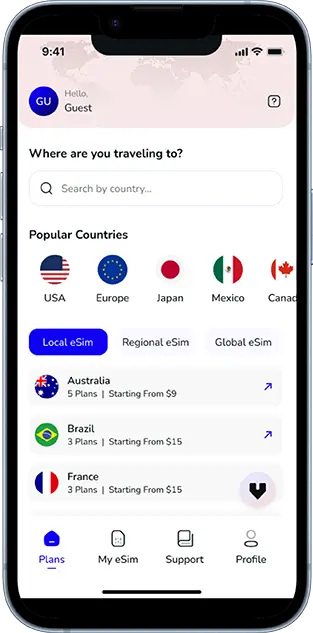
- Voye Global eSIM: Stay connected while you travel around Taiwan. Get reliable, affordable mobile data for navigation, social sharing, and communication without the hassle of local SIM cards.
Where to Stay in Taiwan?
Taiwan’s accommodation is excellent value compared to Japan or South Korea at equivalent quality levels. Budget travelers find hostels that genuinely compete with the best in Southeast Asia. Mid-range hotels offer strong comfort and service for prices that feel low by international standards.
Taipei
Da’an and Zhongzheng districts put you within walking distance of MRT stations and the main attractions. Xinyi is the modern commercial district with high-rise hotels, good if convenience and proximity to Taipei 101 is the priority. Ximending is popular with younger travelers and solo visitors for its energy and nightlife proximity. Yangmingshan, in the hills north of the city, suits those who want hot spring accommodation away from the urban density.
Hualien
The base for Taroko Gorge. Stay in Hualien city rather than trying to stay inside the gorge – city accommodation is more plentiful and serves as a comfortable overnight stop for gorge day trips. Book ahead for weekends, particularly in spring and autumn when the gorge is most popular.
Kaohsiung
The Xinxing and Lingya districts are central and convenient for the city’s main attractions. The waterfront area near Pier-2 offers boutique accommodation options in a more atmospheric setting.
Tainan
The West Central District provides good central access. The Anping area, near the old Dutch fort, has a more historic and quieter character. Tainan rewards slow travel and at least one overnight stay rather than a rushed day trip from Kaohsiung.
Alishan
Accommodation on the mountain is limited and books out quickly during peak cherry blossom season (late March to April) and during autumn. Staying overnight is the only way to see the famous Alishan sunrise without a punishing pre-dawn drive. Book at least a month ahead during peak periods.
Practical Taiwan: What No One Tells You
Cash vs Card
Taiwan is considerably more cash-oriented than Japan or South Korea. Night markets are cash only. Many local restaurants and smaller shops do not accept cards. ATMs inside 7-Eleven and FamilyMart accept international Visa and Mastercard and dispense New Taiwan Dollars. Get NTD 3,000 to 5,000 in cash on arrival and replenish at convenience store ATMs throughout your trip. The exchange rate at airport ATMs is comparable to city rates.
Currency
New Taiwan Dollar (NTD). The exchange rate is approximately NTD 30 to 32 per US dollar. Coins come in 1, 5, 10, and 50 NTD denominations. Keep small coins for vending machines and small purchases.
Language
Mandarin Chinese is the official language. English signage is common in Taipei, at train stations, and in tourist areas. Less so in rural areas and the east coast. Google Translate’s camera mode is genuinely useful for menus and signage. Most younger Taiwanese people in cities have functional English. Older residents and people in rural areas less so. Learning a few basic Mandarin phrases is appreciated and opens interactions that otherwise would not happen.
Tipping
Taiwan does not have a tipping culture. Do not tip at restaurants, taxis, or hotels. It is not expected and can cause confusion. The price you see is the price you pay.
Safety
Taiwan is one of the safest countries in Asia for international travelers. Pickpocketing is rare. Solo travel at any time of day or night is comfortable in virtually every part of the island. Women traveling alone consistently report feeling safe here. Standard urban awareness applies but safety is genuinely not a concern that should influence your planning.
Power
Taiwan uses Type A and B plugs, the same as the United States, running at 110 volts. US devices work without adaptation. European devices running at 220 volts require a voltage converter, not just a plug adapter. Most modern laptops, phones, and cameras handle dual voltage automatically – check the label on your device before packing a converter.
Connectivity
Taiwan has excellent 4G and 5G coverage across the island, including in Taroko Gorge and most mountain areas. A Voye Global Taiwan eSIM activates before you board your flight and is live the moment you land. No airport SIM counter, no roaming charges from your home carrier, and your home number stays active alongside it for calls and banking verification codes. Unrestricted hotspot means travel companions can share a single plan. The specific use cases in Taiwan where reliable data matters most: navigating Taipei MRT, booking HSR and TRA tickets through official apps, checking Taroko Gorge trail status, translating restaurant menus, and using Google Maps to find your way around Tainan’s historic lanes.
Your Taiwanese Adventure Awaits
From the vibrant city streets of Taipei to the natural beauty of Taroko Gorge and Sun Moon Lake, Taiwan offers an incredible mix of cultural, historical, and natural attractions. With its world-class night markets, delicious food, and rich history, Taiwan is a country that will captivate your heart and senses. Whether you’re exploring ancient temples, hiking scenic mountains, or sampling local street food, Taiwan promises to deliver a truly unforgettable experience.
Stay connected throughout your journey with Voye Global eSIM, making sure you can navigate with ease, share your adventures, and stay in touch with loved ones.
Book your ticket to Taiwan today and get ready for the adventure of a lifetime!
Explore Taiwan, Stay Connected
Stay online abroad with instant activation.

Seamless Mobile Data Everywhere














 English