













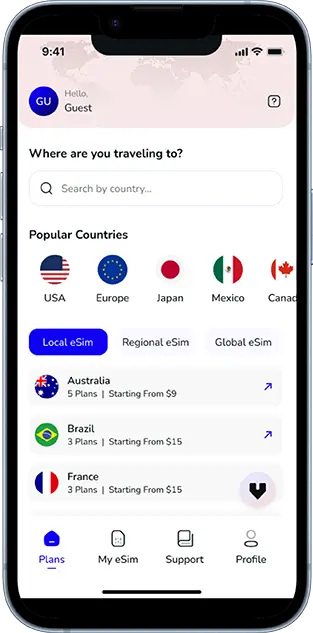
Note that iPhone devices from Mainland China aren’t eSIM compatible. Also iPhone devices from Hong Kong and Macao aren’t compatible (except for iPhone 13 Mini, iPhone 12 Mini, iPhone SE 2020 and iPhone XS)
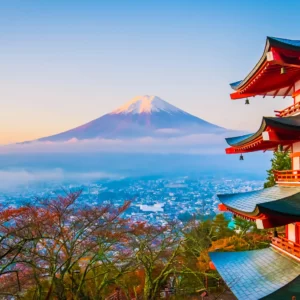
Visiting Japan is often seen as a once-in-a-lifetime trip, but many travelers assume it is always costly. In reality, Japan can be very affordable if you choose the right time to go. Travel costs in Japan vary dramatically throughout the year, and knowing when prices drop can save you hundreds – or even thousands – of dollars on flights and accommodation alone.
This guide explains exactly when the least expensive time to visit Japan is, why prices fall during these periods, what trade-offs to expect, and how to maximize your savings without sacrificing the quality of your experience.
Why Japan Has Expensive Seasons?
Japan’s travel pricing is highly seasonal. Unlike destinations where costs remain fairly stable year-round, Japan experiences sharp price swings driven by domestic holidays, weather patterns, and global tourism trends.
The most expensive periods are tied to events that attract both international and domestic travelers, such as the cherry blossom season and major national holidays. These seasons are deeply rooted in Japanese culture, and understanding travel facts about Japan – such as domestic travel habits – helps explain why prices rise so sharply.
Stay Connected Easily
Reliable mobile data across cities without roaming surprises.
Airlines lower fares to fill seats, hotels offer discounts to maintain occupancy, and popular attractions become easier to access. Understanding this cycle is the key to identifying the least expensive time to visit Japan.
The Least Expensive Time Overall: Mid-January to February
For most travelers, the least expensive time to visit Japan is from mid-January through February.
After the New Year holidays end in early January, tourism slows dramatically. Domestic travel declines, international arrivals decrease, and Japan enters its quietest travel season of the year.
Flights during this period are often at their lowest annual prices. Hotels in major cities reduce rates significantly, including centrally located business hotels and even higher-end properties offering seasonal promotions.
Winter temperatures are cold, especially in northern regions, but Japan is extremely well-prepared for winter travel. Cities operate normally, public transportation runs efficiently, and major attractions remain open.
Another major benefit of traveling during this time is reduced crowd levels. Popular sites that are packed during spring and autumn become calm and enjoyable, allowing you to explore at your own pace.
Why Late January Is More Affordable Than Early January?
It’s important to distinguish between early January and mid-to-late January. The first few days of January are still part of Japan’s New Year holiday period, when many locals travel, and accommodation prices increase.
Once this short holiday window ends, prices drop quickly. From roughly January 6 onward, travelers can find some of the best travel deals of the entire year. This is when Japan truly enters its off-season.
February: Consistently Affordable and Underrated
February remains one of the most affordable months to visit Japan and, in some cases, offers even better flight pricing than January.
Weather conditions in February are often more stable than in January, with less snowfall in major cities such as Tokyo and Osaka. Days are slightly longer, and clear skies are common.
Accommodation prices stay low, visitor numbers remain modest, and the overall atmosphere is relaxed. Winter festivals in northern regions add cultural interest without significantly increasing nationwide travel costs.
For travelers who don’t mind cool temperatures, February is one of the smartest months to visit Japan.
Check out our plans
-
Japan 7 days 5 GB
USD 9.00 -
Japan 7 Days Unlimited Data
USD 13.00 -
Japan 15 days 8GB
USD 13.00 -
Japan 15 Days Unlimited Data
USD 23.00 -
Japan 30 days 15GB
USD 21.00 -
Japan 30 Days Unlimited Data
USD 39.00
Early March: A Narrow Budget Window Before Spring
Early March can still offer good value, but timing is crucial. During the first part of the month, Japan transitions from winter to spring. Flights and hotels remain relatively affordable because the cherry blossom season has not yet begun. As temperatures rise, sightseeing becomes more comfortable without the higher costs associated with peak spring travel.
However, once cherry blossom forecasts are released, prices rise rapidly. Late March is among the most expensive times of the year. Travelers aiming for early March savings should book well in advance and avoid flexible dates that could overlap with the sakura season.
Late May: Post-Holiday Price Drop With Ideal Weather
After Golden Week – Japan’s busiest holiday period in late April and early May – travel prices decline again. Mid-to-late May offers mild temperatures, low humidity, and excellent conditions for sightseeing. Hotels lower rates as domestic travel slows, and international demand temporarily dips before summer.
While May is not as affordable as the winter months, it delivers strong value for travelers seeking pleasant weather without peak-season pricing. It’s also a great time to explore markets, neighborhoods, and even plan what souvenirs to bring home, as shopping areas are less crowded and easier to navigate. For many visitors, this period strikes the best balance between cost and comfort.
June: Rainy Season Brings Lower Prices
June marks the beginning of Japan’s rainy season, which discourages many travelers and leads to noticeable reductions in travel costs. Flights and hotels often become significantly more affordable, especially in urban areas. While rain is common, it usually falls in short showers rather than continuous downpours.
Japan’s infrastructure makes rainy-season travel manageable. Covered shopping streets, efficient public transport, and countless indoor attractions ensure there is always something to do. For travelers focused on saving money, June can be one of the best-value months, provided you are comfortable with occasional rain.
September: Lower Costs With Some Risk
September is another relatively affordable month, particularly in the early weeks. After peak summer travel ends in August, demand decreases. Airlines reduce fares, and hotels offer competitive pricing to attract visitors.
However, September falls within typhoon season. While not every trip is affected, weather disruptions are possible. Travelers visiting during this time should build flexibility into their itineraries and consider travel insurance. When conditions cooperate, September offers warm temperatures, fewer crowds, and excellent overall value.
Travel Smarter Japan
Use maps, translators, and bookings without connectivity worries.
The Most Expensive Times to Avoid
If your goal is to visit Japan at the lowest possible cost, certain periods should be avoided whenever possible.
- Late March through April is the most expensive time of year due to the cherry blossom season. Hotels often sell out months in advance, and airfare prices reach their peak.
- Late April to early May includes Golden Week, when domestic travel surges. Transportation, accommodation, and attractions become crowded and costly.
- Mid-August coincides with Obon, another major domestic travel period that raises prices nationwide.
- Late December to early January includes year-end and New Year holidays, when costs temporarily increase.
How Much Can You Save by Traveling Off-Season?
The difference in cost between peak and off-season travel in Japan can be substantial.
Flights during January or February are often hundreds of dollars less than spring fares. Hotel rooms that command premium rates in April may be available at nearly half the price during the winter months.
Over the course of a full trip, traveling during the least expensive time can result in savings that allow for better accommodations, more dining experiences, or a longer stay.
Is Off-Season Travel in Japan Worth It?
For many travelers, visiting Japan during its least expensive periods is not a compromise – it’s an upgrade.
Fewer crowds mean easier transportation, better photo opportunities, and a more relaxed pace. Restaurants are easier to book, attractions feel less rushed, and daily travel is smoother overall.
Japan’s efficiency, safety, and hospitality remain consistent year-round. Even in winter or during the rainy season, the country is easy to navigate and deeply rewarding to explore, especially when guided by a well-researched travel guide for Japan for the year 2026.
Stay Connected Affordably while traveling to Japan

One often-overlooked travel expense is mobile connectivity. Roaming charges and physical SIM cards can quickly add unnecessary costs, especially for short trips. A simple way to manage expenses while traveling in Japan is by using an eSIM.
Voye Global offers a reliable eSIM for Japan that keeps you connected from the moment you arrive.
- No need to purchase a physical SIM card or portable Wi-Fi device
- Quick activation before or after arrival
- Data plans that cost less than international roaming
- Ideal for maps, translation apps, ride bookings, and trip planning
Using an eSIM from Voye Global pairs perfectly with off-season travel, helping you control costs while enjoying seamless connectivity across Japan.
Final Answer: When Is the Least Expensive Time to Visit Japan?
The least expensive time to visit Japan is mid-January through February, with early March, June, and September also offering strong opportunities for budget-conscious travelers.
By avoiding peak seasons, planning strategically, and using cost-saving tools like an eSIM from Voye Global, you can experience Japan at a significantly lower overall cost – without missing out on what makes the country so special. Choosing the right time to go doesn’t just reduce expenses; it often leads to a calmer, more immersive, and more memorable journey.

Seamless Mobile Data Everywhere
Voye Global — Your Trusted eSIM Partner for Secure & Reliable Travel.



 English
  日本語
日本語