














Note that iPhone devices from Mainland China aren’t eSIM compatible. Also iPhone devices from Hong Kong and Macao aren’t compatible (except for iPhone 13 Mini, iPhone 12 Mini, iPhone SE 2020 and iPhone XS)
Japan has always felt a little magical. From neon-lit streets in Tokyo to quiet temples in Kyoto, it is a destination many travelers dream about for years. If you are a US citizen wondering whether you can travel to Japan right now, the short answer is yes. Japan is fully open to American travelers, and visiting has never been easier.
That said, international travel always comes with questions. Do you need a visa? Are there COVID rules? What documents are required? What should you absolutely not bring into Japan?
This guide is written for real travelers planning a real trip. Whether this is your first international adventure or your fifth visit to Japan, this article will walk you through everything you need to know in clear and simple language.
Is Japan Open to US Citizens Right Now?
Yes, Japan is open to US citizens for tourism, business, and short-term visits. You can enter Japan without applying for a visa as long as your stay is 90 days or less.
All COVID-19-related entry requirements have been lifted. You do not need proof of vaccination, testing, or quarantine.
Travel feels normal again, which is great news for anyone who has been waiting to experience Japan without extra restrictions.
Seamless Internet Across Japan
Activate instantly and stay online from arrival.
Do US Citizens Need a Visa to Visit Japan?
No visa is required for US passport holders visiting Japan for tourism or short-term business stays of up to 90 days.
At immigration, you will receive a temporary visitor stamp that allows you to stay in Japan for that period. You cannot work or engage in paid activities on this status.
If you plan to stay longer than 90 days or travel for work, study, or long-term purposes, you will need to apply for the appropriate visa before departure.
Passport Requirements for Traveling to Japan
Your US passport must be valid for the entire duration of your stay in Japan. Japan does not require six months of validity beyond your travel dates, but it is still smart to have extra validity whenever possible.
Make sure your passport has at least one blank page for entry stamps. If your passport is close to expiration, renew it before booking flights.
Proof of Onward or Return Travel
Japan requires travelers to show proof of onward or return travel. This usually means a return ticket to the US or a ticket to another country.
Airlines may check this before boarding your flight, and immigration officers can request it upon arrival. Keep a digital or printed copy easily accessible.
If you are planning a multi-country trip, make sure your onward travel is confirmed.
Visit Japan Web: Should You Use It?
Visit Japan Web is an official online service that allows travelers to pre-register their immigration, customs, and quarantine information.
While it is not mandatory, it is highly recommended. Completing it in advance saves time at the airport and makes arrival much smoother.
Once registered, you receive QR codes that you scan at immigration and customs. This reduces paperwork and waiting time, especially at busy airports like Tokyo Narita and Haneda.
You can complete Visit Japan Web a few days before departure, and it works well on mobile devices.
Check out our plans
-

Japan 7 days 5 GB
USD 9.00 -
Japan 7 Days Unlimited Data
USD 13.00 -
Japan 15 days 8GB
USD 13.00 -
Japan 15 Days Unlimited Data
USD 23.00 -
Japan 30 days 15GB
USD 21.00 -
Japan 30 Days Unlimited Data
USD 39.00
COVID-19 Entry Rules: What You Should Know?
Japan has fully lifted COVID-19 entry requirements. You do not need:
- Proof of vaccination
- Negative COVID test
- Quarantine upon arrival
However, travel insurance that covers medical care is still a smart idea. Healthcare in Japan is excellent, but it can be expensive for visitors.
Important Medication Rules Every US Traveler Must Read
Japan has extremely strict laws regarding medications. Some prescription drugs that are legal in the US are illegal in Japan. Medications that are prohibited or heavily restricted include:
- Adderall and other stimulant medications
- Certain ADHD medications
- Marijuana and cannabis products, including CBD
- Some over-the-counter cold medicines contain pseudoephedrine
Bringing these into Japan can result in serious legal consequences, including arrest.
What You Should Do Instead
- Check Japan’s official list of prohibited medications before traveling
- Bring only medications that are allowed
- Carry prescriptions in original packaging
- Bring a doctor’s note if needed
- Bring only the amount required for your stay
If you rely on restricted medication, consult the Japanese embassy or consulate well before your trip.
Customs Rules and What Not to Bring
Japan has strict customs regulations. Besides medications, be mindful of the following:
- No fresh fruits, vegetables, or meat
- No weapons or ammunition
- No illegal substances of any kind
- Limits on alcohol and tobacco
Always declare items if you are unsure. Japanese customs officers are polite but thorough.
Money Matters: Cash vs Cards in Japan
Japan is more cash-friendly than many travelers expect. While major cities accept credit cards widely, smaller shops, temples, and rural areas often do not. Before you go:
- Inform your bank of travel plans
- Bring a debit card that works internationally
- Use ATMs at 7-Eleven, Japan Post, and FamilyMart
- Carry some yen at all times
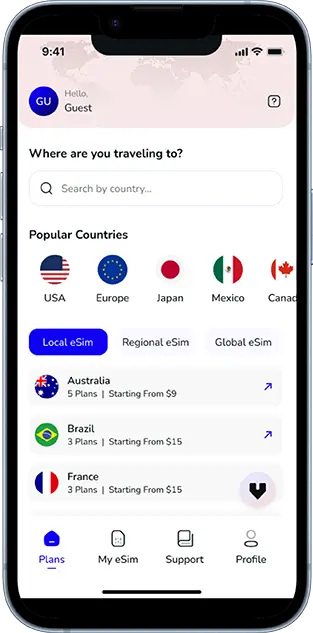
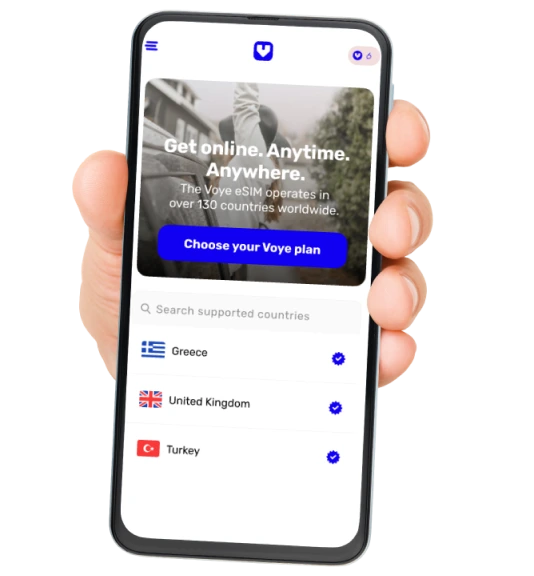
Contactless payments are becoming more common, but cash is still king in many places. Having reliable mobile data helps locate nearby ATMs, track expenses, and manage digital payments, which is where Japan eSIM by Voye Global can make travel smoother by keeping you connected from arrival to departure.
Getting Around Japan as a Tourist

Japan has one of the best public transportation systems in the world, making it easy to explore cities, cultural sites, and upcoming attractions across the country. Travelers planning visits with children or themed experiences can also look forward to destinations like PokePark Kanto Theme Park, which is expected to attract families traveling to Japan.
- Trains and Subways: The JR network and regional railways make it easy to travel between cities. Shinkansen bullet trains are fast, clean, and reliable.
- IC Cards: Get an IC card such as Suica or Pasmo. These prepaid cards work on trains, buses, and even vending machines.
- Taxis: Taxis are clean and safe, but expensive. They are best for short distances or late-night travel.
Language Tips for First-Time Visitors
English is not widely spoken outside major tourist areas, but Japan is very visitor-friendly. Helpful tips:
- Learn basic phrases like hello and thank you
- Use translation apps
- Carry your hotel address in Japanese
- Signs and train announcements often include English
Politeness goes a long way. A simple bow and smile can open many doors.
Safety and Travel Advisories
Japan is one of the safest countries in the world. Violent crime is rare, and travelers generally feel secure even at night. That said, always follow basic travel safety practices:
- Keep valuables secure
- Follow local laws
- Respect cultural norms
Before traveling, check the US Department of State travel advisory for Japan. Consider enrolling in the Smart Traveler Enrollment Program to receive alerts and updates.
Travel Japan Without Roaming
Avoid high charges with reliable mobile data coverage.
Best Time to Visit Japan
Japan is beautiful year-round, but each season offers a different experience. If you are planning beyond the current year or want deeper insights into upcoming travel trends, destinations, and seasonal planning, this detailed Japan Travel Guide for 2026 is a helpful resource to explore before finalizing your itinerary.
- Spring: Cherry blossom season is stunning but very busy.
- Summer: Festivals and fireworks are vibrant, but it can be hot and humid.
- Fall: Cool weather and autumn leaves make this a favorite for many travelers.
- Winter: Great for skiing and fewer crowds in cities.
Choose the season that fits your travel style and interests.
Cultural Etiquette Every Traveler Should Know
Japanese culture values respect and consideration. A few basics:
- Remove shoes when required
- Do not talk loudly on trains
- Do not tip
- Line up patiently
- Dispose of trash properly
Following these simple rules shows respect and enhances your travel experience.
Final Thoughts: Is Now a Good Time to Visit Japan?
Absolutely. Japan is open, welcoming, and ready for travelers. With no visa requirements for short stays, no COVID restrictions, and efficient travel systems, it is one of the easiest and most rewarding destinations for US citizens right now. A little preparation goes a long way. Check your passport, understand medication rules, register with Visit Japan Web, and plan your itinerary. Whether you are chasing cherry blossoms, exploring ancient temples, or diving into Japanese cuisine, Japan offers unforgettable experiences at every turn. If Japan has been on your travel list, now is an excellent time to go.

Seamless Mobile Data Everywhere
Voye Global — Your Trusted eSIM Partner for Secure & Reliable Travel.



 English


