




Quick Overview
- When to go by season and city type
- Money & payments (cash vs. card, ATMs, exchange tips)
- Where to stay (first-timer neighborhoods in Tokyo, Kyoto, Osaka, Hokkaido, Fukuoka)
- Navigation (IC cards, subways, Shinkansen, regional passes, apps)
- Food culture (how to order, must-try dishes, “old shop” hunting)
- Experiences & sample itineraries (7-day, 10-day)
- Connectivity (how eSIM works, Japan eSIM from Voye Global, plan sizing)
- Korean-specific tips (language, sockets/voltage, etiquette crossover)
- Packing checklist & FAQs
1) When to Go (Season-by-Season)
- Spring (Mar–May): Mild temps, cherries and fresh greens. Tokyo, Kyoto, Kanazawa sparkle. Book early.
- Summer (Jun–Aug): Rainy early summer; festivals (matsuri), fireworks, beach escapes (Okinawa). Air-con everywhere, but pack light fabrics.
- Autumn (Sep–Nov): Comfortable temps, famous foliage (Kyoto, Nikko, Hakone). Ideal for first-timers.
- Winter (Dec–Feb): Powder snow in Hokkaido/Nagano, onsen towns (Hakone, Kusatsu). Illuminations in big cities.
Tip for weekenders from Korea: Consider Fukuoka (quick flight, ramen & yatai), Osaka/Kyoto combo, or Sapporo for winter food and snow.
Stay Online from the Gate
Activate your Japan eSIM by Voye Global before takeoff and land connected.
2) Money & Payments (KRW ↔ JPY)
- Cash vs Card: Cards are widely accepted in chains, hotels, and transport hubs, but carry some cash for small eateries, shrines, markets.
- Where to Exchange: Competitive rates at KEB Hana/major Korean banks before departure or 7-Bank/JP Post ATMs in Japan (often better than airport counters).
- ATMs: Look for 7-Eleven (Seven Bank), Japan Post, and Lawson ATMs—reliable for foreign cards.
- IC/Transit Cards: Load cash onto Suica/PASMO/ICOCA; use for trains, buses, convenience stores, some vending machines.
- Tipping: Not customary; a polite thank you is enough.
- Budgeting Roughly (per day, excluding shopping):
- Backpacker: ¥7,000–¥10,000
- Comfort/Mid: ¥12,000–¥20,000
- Upscale: ¥25,000+
Pro move: Bring a chip-enabled credit card and one backup. Notify your bank you’re traveling to Japan.
3) Where to Stay (First-Timer Friendly)
Tokyo
- Shinjuku: Lively, major transport, tons of food.
- Shibuya: Trendy, central, great for shopping/nightlife.
- Asakusa/Ueno: Classic vibe, temples, museums, easier on budget.

Kyoto
- Gion/Higashiyama: Historic lanes, shrines, morning walks.
- Kyoto Station: Convenient hub, easy day trips (Nara, Uji).
Check out our plans
-
Japan 7 days 5 GB
USD 9.00 -
Japan 7 Days Unlimited Data
USD 13.00 -
Japan 15 days 8GB
USD 13.00 -
Japan 3 Days Unlimited Data
USD 6.00
Osaka
- Namba/Dotonbori: Food heaven, neon nights.
- Umeda: Business district with excellent train connections.
Hokkaido (Sapporo/Otaru/Niseko)
- Winter sports, seafood markets, onsen day trips.
Fukuoka
- Easy hop from Korea, yatai street food, friendly and compact.
Room types: Business hotels (compact, clean), ryokan (tatami + onsen), hostels (social and stylish), serviced apartments (longer stays).
4) Getting Around (Simple & Stress-Free)
- IC Cards (Suica/PASMO/ICOCA): Tap in/out on city transit and some regional lines; top up at stations or convenience stores.
- Subways & JR Lines: Clear signage; English displays common in big cities.
- Shinkansen (Bullet Train): Fast intercity moves (Tokyo-Kyoto ~2h15m). Consider regional JR passes if you’ll ride multiple long segments.
- Buses & Taxis: Buses great in Kyoto/local towns; taxis accept card increasingly—line up at marked stands.
- Driving: Only if heading to rural Hokkaido, Okinawa beaches, or remote onsen areas; check international driving permit rules.
- Apps to keep handy: Offline maps, transit planners, translation.
Rule of thumb: For a 7–10 day first trip limited to Tokyo-Kyoto-Osaka, local trains + one Shinkansen round-trip often beat a full national pass.
5) Food Culture 101 (Order Like a Regular)
- Counter culture: Solo dining is normal at ramen, sushi, tendon, soba counters.
- Ticket machines: At many ramen shops, buy a meal ticket first; hand it to staff.
- Water/Tea: Usually complimentary; no need to tip.
- Quiet dining: Keep voices modest; phone calls outside when possible.
- Queues mean quality: Join the line, staff will guide you.

Must-Try Dishes by City
- Tokyo: Edomae sushi, tempura, monjayaki, soba, yakitori, kissaten coffee.
- Kyoto: Kaiseki, tofu cuisine, matcha sweets, yuba.
- Osaka: Okonomiyaki, takoyaki, kushikatsu, yakiniku.
- Fukuoka: Hakata tonkotsu ramen, mentaiko.
- Hokkaido: Soup curry, jingisukan (lamb), crab, dairy sweets.
Tokyo–Kyoto–Osaka Without Worry
Pick a plan sized for 7–10 days—maps, socials, and streaming covered.
Hunting “Old Shops” (老舗 / しにせ) Without a List
If you love storied eateries but don’t want to chase exact addresses, look for:
- Wooden façades, noren curtains, low signage.
- Words like “創業○年” or “老舗” on menus/plaques.
- Shotengai (arcade streets) and yokocho (alley clusters) near old districts (e.g., Asakusa in Tokyo, Pontocho in Kyoto, Shinsekai in Osaka).
- Depachika (department store basements) for heritage confectioners and bento counters.
Ask hotel staff for a nearby “shinisé” soba-ya or unagi-ya—you’ll get a local gem.
6) Experiences for First-Time Visitors

- Temples & Shrines: Senso-ji (Tokyo), Fushimi Inari (Kyoto), Meiji Jingu (Tokyo), Kiyomizu-dera (Kyoto).
- Neighborhood Walks: Yanaka (Tokyo), Gion (Kyoto), Nakazakicho (Osaka), Motomachi/Kitano (Kobe).
- Food Quests: Nishiki Market (Kyoto), Kuromon (Osaka), Omicho (Kanazawa), Hakodate Morning Market.
- Onsen Day Trips: Hakone, Kusatsu, Beppu, Noboribetsu (follow bathing etiquette).
- Pop Culture: Akihabara, Ikebukuro, Nakano Broadway, teamLab, Ghibli Park/Museum (book in advance).
- Nature: Arashiyama bamboo, Lake Kawaguchi (Fuji views), Nara deer, Kamakura coast.
7 Days: Tokyo + Kyoto
Day 1–3 (Tokyo): Shibuya/Shinjuku/Harajuku, Asakusa & Sumida River, Ueno museums, sushi or tempura counter, teamLab or Odaiba evening.
Day 4: Shinkansen to Kyoto, sunset at Yasaka Pagoda.
Day 5–6 (Kyoto): Fushimi Inari sunrise, Kiyomizu-dera, Gion lanes; day trip to Nara (Todai-ji, deer park).
Day 7: Matcha treats, Nishiki Market shopping, return to Tokyo or fly out of Kansai (KIX).
Check out our plans
-
Japan 15 Days Unlimited Data
USD 23.00 -
Japan 15 days 8GB
USD 13.00 -
Japan 30 days 25GB
USD 25.00 -
Japan 30 Days Unlimited Data
USD 39.00
10 Days: Tokyo + Kyoto/Osaka + Fukuoka
Add Fukuoka for yatai nights and a Hakata ramen crawl; or swap Fukuoka for Sapporo if you’re chasing winter vibes.
8) Connectivity: eSIM Basics (No Store Runs, No Plastic)
- What is an eSIM? A digital SIM you install by scanning a QR—no physical card.
- Why for Japan? Immediate activation upon landing, strong network coverage, and easy top-ups.
- Korean travelers love it for seamless transfers (ICN/GMP → HND/NRT/KIX/FUK) and zero roaming shock.

Japan eSIM from Voye Global
Stay online the moment you touch down—maps, reservations, translation, payments, ride-hailing, all set.
Why Voye Global
- Instant QR activation
- Reliable 4G/5G where available
- Plans for short hops or month-long stays
- 24/7 support
- Multi-country options if you’ll add Taiwan/HK/Thailand after Japan
Which Plan Should I Get?
Choose by trip length and data habits (video vs. maps/chat):
| Trip Style | Typical Use | Suggested Data | Suggested Duration |
|---|---|---|---|
| 3–5 day city hop | Maps, chat, light socials | 3–5 GB | 7–10 days validity |
| 7–10 days (Tokyo–Kyoto–Osaka) | Daily maps, socials, some streaming | 8–15 GB | 15–30 days |
| 2–3 weeks slow travel | Maps, food reels, cloud backups | 15–30 GB | 30 days |
| Work + travel | Hotspotting, calls, video meets | Unlimited Japan Data plans | 30 days |
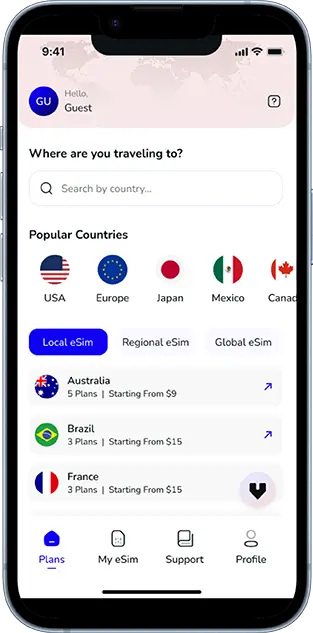
Setup in minutes: Buy → Receive QR by email → On iPhone/Android, Settings → Mobile/Cellular → Add eSIM → Scan → Set data line → Turn data roaming ON in Japan.
Thinking beyond Japan? Pick a regional/multi-country Voye plan if your route includes Korea-Japan-Taiwan-Hong Kong or Southeast Asia.
9) Culture & Etiquette (Comfortably Polite)
- Greetings: Light bow or nod; handshakes are fine with foreigners.
- Trains: Quiet voices, priority seats for those in need, no open eating on local trains (Shinkansen bento is okay).
- Shoes: Off at ryokan rooms, certain restaurants, and homes—look for slippers.
- Trash: Few public bins; carry a small bag.
- Cash tray: Place/receive money via tray at registers.
- Photos: Ask before photographing people or in small shops/temples.
- Language: Simple English works in tourist zones; basic Japanese phrases help. Many signs have Korean too in bigger cities.

10) What to Expect (Realistic First-Timer Notes)
- Compact rooms: Business hotels are small but efficient.
- Lines: Popular eateries/attractions may queue; mornings are your friend.
- Luggage forwarding: “Takkyubin” can send suitcases between hotels—travel light on trains.
- Weather swings: Layers help in spring/autumn; summer is humid; winters can be dry and cold.
Hop to More Countries
One QR, multiple borders—choose a regional eSIM if Japan isn’t your only stop.
11) Korean-Specific Tips
- Power: Japan uses Type A plugs, 100V. Bring a Type F→A adapter; most phone/laptop chargers are 100–240V (check your brick).
- Roaming vs eSIM: Avoid bill shock; a Japan eSIM is simpler and cheaper than roaming packages in most cases.
- Food comfort: Many Japanese flavors feel familiar (rice, soups, grilled meats) with countless new tastes to try.
- Visa/entry: ROK passport holders have traditionally enjoyed short-stay, visa-exempt entries; always confirm current rules with official sources before you book.
12) Packing Essentials
- Lightweight layers, compact umbrella
- Comfortable walking shoes
- Small towel/handkerchief (useful year-round)
- Reusable bottle (fountains abound in parks/stations)
- Universal adapter (Type A), portable power bank
- Onsen kit: quick-dry towel, modest swimwear for mixed facilities (if applicable)
- Copies of bookings, IC/credit cards, a bit of cash
Check out our plans
-

Asia 10 Days Unlimited
USD 19.00 -
Asia 15 Days Unlimited
USD 25.00 -
Asia 20 Days Unlimited
USD 32.00 -
Asia 3 Days Unlimited
USD 9.00

14) FAQs (Short & Useful)
- Do I need cash in Japan?
Yes—carry some for small eateries and shrines. Cards work broadly in cities. - Which eSIM plan should I choose?
Match data to your habits and trip length (see table above). Most first-timers do well with 8–15 GB for 10 days. - Will my phone work with eSIM?
Most modern iPhones/Androids support eSIM. Check your device settings for “Add eSIM.” - Can I hotspot with a Japan eSIM?
Yes, if your plan allows tethering (Voye plans typically do). Check the plan details. - Is English enough?
In major areas, yes. Translation apps and simple Japanese phrases help elsewhere. - JR Pass or point-to-point tickets?
For Tokyo-Kyoto-Osaka only, point-to-point often wins. For wider roaming (Tohoku/Hokkaido/Kyushu), evaluate regional passes. - Do I tip?
No. Exceptional service is standard; tipping isn’t expected.
16) Add-On: Rapid City Mini-Guide Cards
Tokyo (First Time)
- Base: Shinjuku or Shibuya
- Food: Sushi, tempura, yakitori, kissaten
- Musts: Asakusa, Meiji Jingu, Shibuya Crossing, teamLab
- Day trips: Kamakura, Nikko, Hakone
Kyoto

- Base: Gion/Higashiyama or near Kyoto Station
- Food: Kaiseki, tofu, matcha, yuba
- Musts: Fushimi Inari, Kiyomizu-dera, Arashiyama
Osaka
- Base: Namba/Dotonbori
- Food: Okonomiyaki, takoyaki, kushikatsu
- Musts: Dotonbori neon, Kuromon Market, Osaka Castle
Fukuoka
- Base: Tenjin/Hakata
- Food: Tonkotsu ramen, yatai nights
- Musts: Canal City, Ohori Park
Sapporo
- Base: Near Odori Park or Sapporo Station
- Food: Soup curry, crab, jingisukan
- Musts: Otaru canals, winter snow scenes
Ready to Travel?
Traveling from Korea to Japan has never been easier, and the experience is nothing short of unforgettable. From centuries-old temples in Kyoto to the neon brilliance of Tokyo and the food alleys of Osaka, Japan offers a mix of tradition and modernity that feels both familiar and refreshingly new for Korean travelers. With smart planning—whether it’s carrying the right amount of yen, picking a stay in the right district, or knowing how to navigate trains—you’ll find your trip seamless and rewarding. And by staying connected with a Voye Global Japan eSIM, you can focus less on logistics and more on enjoying the journey, knowing that maps, translations, bookings, and loved ones back home are always just a tap away. Whether it’s your first visit or a return trip, Japan will surprise, delight, and inspire you every step of the way.
Seamless Mobile Data Everywhere














 English