














Note that iPhone devices from Mainland China aren’t eSIM compatible. Also iPhone devices from Hong Kong and Macao aren’t compatible (except for iPhone 13 Mini, iPhone 12 Mini, iPhone SE 2020 and iPhone XS)
Travelers from the United States have long viewed Greece as one of the most rewarding destinations in Europe. The country offers ancient ruins, warm Mediterranean waters, welcoming locals, and a food culture that feels both comforting and adventurous. Yet before planning an international trip, safety is always the first concern. Many Americans are now asking a simple question: Is Greece safe for American tourists in 2026?
The short answer is yes. Greece currently holds a Level 1 advisory from the U.S. State Department, which is the lowest risk category and means travelers should exercise normal precautions. However, normal precautions do mean no precautions. Like any popular global destination, Greece has certain risks that visitors should understand before boarding a flight. This guide explains everything American travelers need to know, including crime, protests, health, transportation safety, and practical tips for a smooth vacation.
U.S. Travel Advisory and Entry Situation
The U.S. State Department Level 1 advisory is an important indicator. It places Greece in the same category as many of the safest tourist destinations in the world. There are no major ongoing conflicts affecting visitors, and violent crime against tourists is rare. American travelers can enter the country for tourism without special restrictions, and Greece remains one of the most visited European countries each year.
Stay Online in Greece
Use maps, translation, and bookings immediately after landing at the airport.
That said, travel advisories always emphasize awareness. Large tourist arrivals mean crowded streets, ferry terminals, and historical landmarks. Whenever crowds gather, opportunistic crime can follow. Greece is not dangerous, but it is busy, especially in Athens, Santorini, and Mykonos during peak season.
For updated entry policies and visitor requirements, Greece Travel Rules and Costs in 2026 explains documentation guidelines, seasonal considerations, and important updates travelers should review before departure.
Petty Crime and Pickpocketing Risks
The most common safety issue for Americans in Greece is petty theft. Pickpocketing occurs in crowded locations, particularly places where visitors are distracted by sightseeing.
Typical hotspots include the Acropolis, the Plaka neighborhood in Athens, busy metro lines, and ferry ports. Thieves generally target phones, wallets, and small handbags. The crime is non-violent and usually avoidable with awareness.
You can dramatically reduce risk by following simple habits. Keep your phone in a front pocket, avoid displaying expensive jewelry, and carry only what you need for the day. A secure bag worn across your body works well, especially in packed areas or on public transportation.
Protests and Public Demonstrations
Greece has an active political culture, and demonstrations occur occasionally in major cities, particularly Athens. Most protests are peaceful and directed toward government policies rather than tourists. Still, gatherings can grow quickly and disrupt transportation.
Visitors should simply avoid protest areas. Hotels and local authorities usually inform guests if demonstrations are expected. If you see a crowd forming, change direction and continue sightseeing elsewhere. There is no need to panic; just use common sense.
Transportation and Road Safety
Transportation safety is an important topic that many Americans underestimate. Greece has a modern infrastructure, but driving styles differ significantly from those in the United States.
Road risks mainly involve scooters and motorcycles. Narrow roads, winding mountain routes, and fast local drivers can create dangerous situations for inexperienced visitors. Many tourists rent motorbikes on islands, thinking it is the easiest way to explore. Unfortunately, this is one of the most frequent causes of injuries.
Pedestrians should also stay alert. Crosswalks do not always guarantee vehicles will stop. Always look both ways and avoid assuming drivers will yield.
Public transportation, however, is generally safe. The Athens metro is reliable and clean, and ferries between islands are well-regulated. Taxis are widely available and considered safe when licensed.
Check out our plans
-

Greece 7 Days 6GB
USD 9.00 -
Greece 7 Days Unlimited Data
USD 13.00 -
Greece 15 Days 10GB
USD 13.00 -
Greece 15 Days Unlimited Data
USD 23.00 -
Greece 30 days 25GB
USD 25.00 -
Greece 30 Days Unlimited Data
USD 39.00
Health, Medical Care, and Travel Insurance
Healthcare in Greece is good, especially in major cities and tourist islands. Pharmacies are common, and pharmacists often speak English. Emergency services are accessible, and hospitals in Athens and Thessaloniki meet European standards.
The biggest health risk is actually environmental. Summer temperatures frequently exceed 95°F. Heat exhaustion is common among visitors who spend long hours exploring ruins under the sun. Hydration and shade breaks are essential.
Travelers should also pack sunscreen, comfortable shoes, and any prescription medication they need. Tap water is safe in most mainland areas, but bottled water is preferred on some islands.
Weather Conditions and Seasonal Risks
Seasonal weather patterns matter when planning a trip. Greece experiences intense summers and occasionally severe winter storms.
Summer risks include wildfires, especially in dry forest regions. Authorities monitor conditions closely, and evacuations, while rare, can happen quickly. Visitors should follow local instructions and check hotel guidance if staying near rural areas.
Winter brings different concerns. Heavy rainfall can cause flooding in certain regions, and mountain areas can see snowfall. Travelers visiting outside peak season should monitor weather forecasts before traveling between islands.
Staying Connected and Travel Preparation
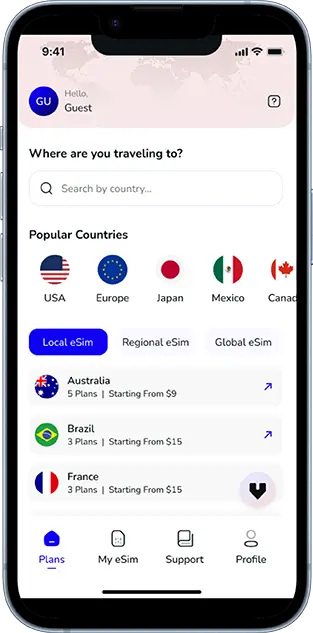
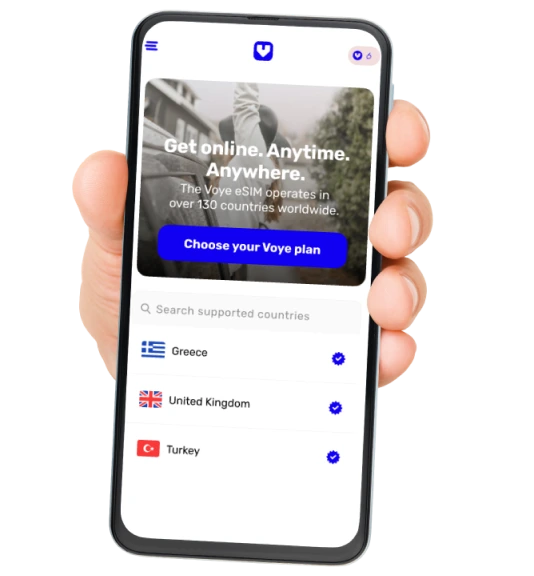
Modern travel depends on staying connected. Navigation apps, translation tools, and digital tickets are essential when navigating unfamiliar streets. Many Americans prefer activating a Greece eSIM before arrival so they can use maps and ride services immediately after landing. Many travelers choose Voye Global for reliable coverage without searching for airport kiosks.
Beyond connectivity, preparation also includes enrolling in the Smart Traveler Enrollment Program. STEP allows the U.S. embassy to contact you during emergencies and helps families reach you if needed. Registration takes only a few minutes online and adds an extra layer of reassurance.
Culture, Etiquette, and Local Behavior
One of the reasons Greece feels safe is the culture itself. Greeks are famously hospitable and helpful toward visitors. Locals frequently assist lost tourists, offer directions, and even recommend restaurants.
However, respectful behavior matters. Dress appropriately when visiting churches and monasteries, speak politely, and learn basic greetings. A simple hello and thank you in Greek can dramatically improve interactions.
Americans should also remember that schedules run more relaxed than in the United States. Meals occur later in the evening, and shops sometimes close mid-afternoon. This is normal and not a sign of instability or disorder.
Reliable Travel Connectivity
Scan the QR once & enjoy uninterrupted mobile data for the entire vacation.
Safety Tips for Greek Islands
Greek islands are typically even safer than cities. Crime rates are low, and communities are tight-knit. However, safety still depends on personal responsibility.
Swimming safety is often overlooked. Beaches rarely have lifeguards, and strong currents can exist in certain locations. Avoid swimming alone at night and follow posted warnings.
Alcohol consumption also contributes to accidents. Island nightlife is lively, especially in Mykonos and Ios. Visitors should monitor drinks and plan safe transportation back to hotels.
Practical Safety Tips for Americans
To make your trip smooth and worry-free, remember these key points:
- Keep copies of your passport and travel documents
- Avoid isolated areas late at night
- Use licensed taxis or reputable transportation
- Stay hydrated and wear sun protection
- Monitor local news and weather updates
These precautions are simple but effective. Most incidents reported by travelers involve preventable situations.
Why Greece Is Still Considered Safe?

Millions of Americans visit Greece every year, and the vast majority experience no problems. Tourism is a major part of the national economy, so authorities prioritize visitor safety. Police presence is visible in busy areas, and emergency assistance is accessible.
Unlike destinations facing instability or widespread crime, Greece’s risks are predictable and manageable. The biggest challenge most travelers face is protecting their belongings in crowded spaces or adapting to different traffic behavior.
Many Americans report feeling safer walking in Greek neighborhoods at night than in large U.S. metropolitan areas. Cafes stay open late, families gather in public squares, and communities remain active well into the evening.
If you are still deciding where to go, What Is the Nicest Part of Greece to visit? explores the safest and most scenic regions across the mainland and islands, helping you match your travel style with the right destination.
Conclusion
Overall, Greece is considered one of the safest European destinations for American tourists right now. The Level 1 advisory confirms that travel is appropriate with standard precautions. By understanding common issues like pickpocketing, heat exposure, and transportation differences, visitors can avoid nearly all problems.
Preparation is the real key to a successful trip. Plan ahead, stay aware of your surroundings, and respect local customs. Simple habits like carrying limited valuables and monitoring weather conditions go a long way toward ensuring peace of mind.
Travel should feel exciting, not stressful. With reasonable awareness and good planning, Americans can confidently explore ancient temples, island villages, and coastal sunsets across Greece. The country remains welcoming, stable, and memorable, offering the kind of experience that reminds travelers why international journeys are worth taking.

Seamless Mobile Data Everywhere
Voye Global — Your Trusted eSIM Partner for Secure & Reliable Travel.



 English