














Note that iPhone devices from Mainland China aren’t eSIM compatible. Also iPhone devices from Hong Kong and Macao aren’t compatible (except for iPhone 13 Mini, iPhone 12 Mini, iPhone SE 2020 and iPhone XS)
Planning a trip to Greece often begins with one key question: how many days are ideal to experience the country truly? Greece is not a destination you can define in a single experience. It is ancient and modern, relaxed and energetic, mountainous and coastal, all at the same time. From legendary archaeological sites to sun-drenched islands and welcoming villages, Greece offers depth that rewards thoughtful planning.
This guide explores how long you should spend in Greece based on different travel styles, interests, and seasons. Whether you have a few days or several weeks, this article will help you decide how to plan a Greece itinerary that feels fulfilling rather than rushed.
Understanding Greece as a Travel Destination
Before deciding on the ideal number of days, it helps to understand how diverse Greece really is. The country includes:
- A historic capital city filled with ancient landmarks.
- Over 200 inhabited islands, each with a unique personality.
- Mountain ranges, forests, lakes, and rural villages.
- Coastal towns with crystal clear water and relaxed rhythms.
Traveling between these regions takes time. Ferries, flights, and road trips are part of the experience, but they also shape how much you can realistically fit into one trip. Many first-time visitors underestimate Greece by trying to see too much too fast. The best trips allow room for discovery, rest, and flexibility.
Travel Without Limits
Avoid SIM swaps and stay online across Greece effortlessly.
3 to 5 Days in Greece: Short and Focused
If you only have a few days, Greece can still be rewarding if you narrow your focus.
Who This Is Best For?
- Travelers on a tight schedule.
- Business travelers are adding leisure days.
- Visitors combining Greece with another European destination.
Best Ways to Spend 3 to 5 Days
Option One: Stay in Athens
Spending your entire trip in Athens allows you to explore without stress. Two to three days cover the Acropolis, Parthenon, Acropolis Museum, and Ancient Agora. Add time for Plaka, Monastiraki, rooftop dining, and local markets. You can also take a popular sunset excursion to Cape Sounion to see the Temple of Poseidon, giving you a taste of the sea without leaving the mainland.
Option Two: One Island Escape
Alternatively, fly directly to one island and stay there. Santorini is ideal for those seeking dramatic scenery and romantic stays, while Mykonos suits travelers looking for beaches and nightlife.
What to Avoid: Do not try to combine Athens and multiple islands in such a short time. Travel days will eat into your experience and leave you feeling rushed.
7 Days in Greece: The Ideal First Trip
Seven days is often considered the ideal introduction to Greece, especially for first-time visitors.
Suggested 7-Day Itinerary
- Days 1 to 3: Athens: Spend time exploring historical landmarks, museums, and neighborhoods. Athens is lively, walkable, and full of character. Two full days are enough to see major sites, while a third day allows for a slower pace.
- Days 4 to 7: One Island: Choose one island and settle in. Santorini offers iconic views and volcanic landscapes. Mykonos delivers vibrant nightlife and stylish beaches. For a calmer experience, islands like Naxos provide beautiful beaches and traditional villages.
Why Seven Days Works: You experience both ancient history and island life without packing and unpacking constantly. This pace allows Greece to feel enjoyable rather than exhausting.
10 to 14 Days in Greece: A Well-Rounded Experience
If you want to see Greece in greater depth, 10 to 14 days is an excellent choice.
How to Structure 10 to 14 Days?
- Athens: 2 to 3 Days: Begin with Athens to understand Greece’s historical foundation.
- Two to Three Islands: 7 to 9 Days: Mix popular and lesser-known islands. A common combination is Santorini and Naxos, or dedicating the full week to Crete. Because Crete is Greece’s largest island, it requires at least 5 to 7 days to explore just one region (like the West). If you want to combine islands, choose those in the same group – like the Cyclades – to minimize time spent on the water.
- Mainland Highlights: 1 to 2 Days: Add destinations like Delphi or Meteora to experience Greece beyond the islands.
Why This Duration Is Ideal: You have enough time to relax, adjust plans, and truly experience each destination. Travel days feel less disruptive, and you are not constantly watching the clock.
Check out our plans
-

Greece 3 Days Unlimited Data
USD 6.00 -
Greece 7 Days 6GB
USD 9.00 -
Greece 10 Days Unlimited Data
USD 17.00 -
Greece 15 Days 10GB
USD 13.00 -
Greece 20 Days Unlimited Data
USD 29.00 -
Greece 30 days 25GB
USD 25.00
Two Weeks or More in Greece: Slow and Immersive Travel
Spending two weeks or longer in Greece opens the door to a deeper connection with the country.
Who This Is Best For?
- Slow travelers
- Digital nomads
- Repeat visitors
What You Can Explore?
- The Mainland: Regions like the Peloponnese offer ancient ruins, scenic coastlines, and charming towns. Driving allows freedom to explore at your own pace.
- Different Island Groups: Move beyond the Cyclades to the Ionian Islands, known for lush greenery and sandy beaches, or the Dodecanese for a quieter, cultural experience.
- Extended Stay in Crete: Crete deserves special mention. With enough time, you can explore its beaches, hike gorges, visit archaeological sites, and enjoy local food traditions.
The Value of Longer Travel
Longer trips reduce stress, allow spontaneous plans, and reveal everyday Greek life. You are no longer just sightseeing. You are living the rhythm of the country.
Factors That Influence Your Stay
Seasonality
Summer is beautiful but busy, with high temperatures and peak crowds. Late spring (May–June) and early autumn (September–October) are the “sweet spots” for comfortable weather and open amenities. For current entry rules, seasonal costs, and planning considerations, review Greece Travel Rules and Costs in 2026.
Island Hopping Logistics
Ferries depend on weather and schedules, and in peak summer, the Meltemi winds can cause sudden delays. Always plan to return to Athens at least 24 hours before your international flight. This “buffer day” ensures that a ferry cancellation doesn’t result in a missed flight home.
Common Mistakes to Avoid When Planning Greece

- Treating the Acropolis as a “Walk-In”: As of 2026, the Acropolis requires mandatory timed-entry tickets booked in advance. Showing up without a reservation often means waiting hours or being turned away.
- Forgetting the “Buffer Day”: Never book your ferry from the islands back to Athens on the same day as your flight home. Return to the mainland 24 hours early.
- Underestimating Crete: It is Greece’s largest island; treat it like a small country. Focus on one region or dedicate at least 5–7 days to it.
- Assuming Everywhere Takes Card: While the new Cyclades Digital Pass simplifies payments, card machines in remote villages can occasionally fail. Always keep €50–€100 in cash for emergencies.
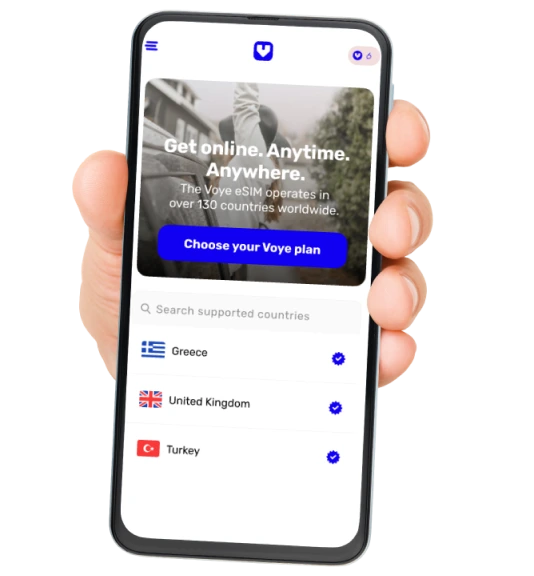
- Relying on Physical SIMs: Waiting in long airport lines wastes precious vacation time. Use an eSIM for Greece by Voye Global and activate your data immediately. You can also test your connection with a free 100MB trial before you fly.
Before finalizing your itinerary, it helps to understand common planning errors that can affect both costs and experiences. For a deeper breakdown of frequent traveler missteps, see Mistakes to Avoid in Greece.
Final Answer: How Many Days Are Ideal for Greece?
For most travelers, 7 to 10 days is the ideal balance. It offers enough time to experience history, culture, and island life without feeling rushed. If your schedule allows, extending your trip to 10 to 14 days provides a deeper and more relaxed experience.
Greece rewards every extra day you give it. Whether you are watching a sunset in Santorini, exploring ancient ruins in Athens, or swimming in quiet island coves, the right amount of time makes all the difference. Plan thoughtfully, travel slowly, and let Greece reveal itself at its own pace.

Seamless Mobile Data Everywhere
Voye Global — Your Trusted eSIM Partner for Secure & Reliable Travel.



 English