










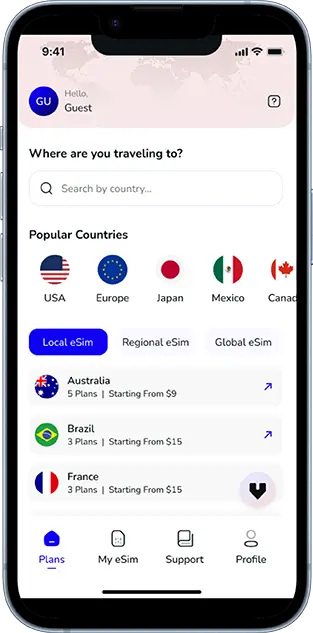
Note that iPhone devices from Mainland China aren’t eSIM compatible. Also iPhone devices from Hong Kong and Macao aren’t compatible (except for iPhone 13 Mini, iPhone 12 Mini, iPhone SE 2020 and iPhone XS)
Greece remains one of the most beloved destinations on Earth, and for good reason. From the marble heights of the Parthenon to the volcanic sands of Santorini, it offers a sensory experience that few countries can match. However, as we move through 2026, the logistical and safety landscape has evolved. While Greece is statistically one of the safest countries in Europe, the savvy traveler must now balance traditional safety concerns – like pickpocketing – with modern challenges, including digital security, new EU border protocols, and changing climate patterns.
This blog is designed to provide you with a deep dive into every warning and precaution necessary to ensure your Greek odyssey is as seamless as the Aegean Sea.
The 2026 Regulatory Landscape: EES and ETIAS
What You Need to Know?
- Biometric Delays: Upon your first entry into the Schengen Area via Athens or Thessaloniki, you will be required to provide fingerprints and facial scans. This has significantly increased processing times at border control. Travelers are advised to allow at least three hours for international connections.
- The ETIAS Requirement: If you are a citizen of a visa-exempt country (like the US, Canada, or Australia), you must have your ETIAS approval linked to your passport before departure. Without this digital authorization, airlines are strictly prohibited from allowing you to board your flight to Greece.
- Climate Resilience Fee: Formerly known as the “stayover tax,” this 2026 fee is tiered based on the time of year and the star rating of your hotel. During the peak summer months, this can add a significant amount to your final bill. Budgeting for an extra €7 to €15 per night for luxury accommodations is now a standard necessity.
Stay Connected Across Greece
Secure data, maps, and alerts without risky public Wi-Fi networks.
For a full breakdown of documentation, fees, and airport procedures, read our guide explaining Greece travel rules and costs in 2026 before booking flights.
Urban Safety: Navigating Athens and Thessaloniki
Greece’s major cities are vibrant, bustling hubs of culture, but they are also where the majority of petty crimes occur.
Neighborhoods to Watch
While most of Athens is a literal open-air museum, there are specific pockets where the atmosphere shifts after dark.
- Omonoia and Victoria Squares: While undergoing revitalization, these areas still struggle with high levels of homelessness. Tourists are frequently targeted for phone-snatching here.
- Exarcheia: This neighborhood is the heart of Athens’ anarchist and student activist scenes. While fascinating for its street art, it is a frequent flashpoint for police-protester clashes. If you see a heavy police presence in riot gear, it is time to turn around.
- Metaxourgio: A district of contrasts, it houses trendy art galleries right next to derelict buildings. Stick to well-lit main thoroughfares at night.
The Transit Pickpocketing Syndicates
The Athens Metro is efficient and beautiful, but it is also the workplace of professional pickpocketing gangs.
- The “Crush” Technique: On crowded trains, a group will surround a traveler near the door. As the doors open, they create a momentary “crush” or shove. By the time you’ve regained your balance on the platform, your wallet is gone.
- The Distraction: A person may drop a handful of coins or spill a drink near you. While you instinctively help or look down, an accomplice accesses your backpack.
- The Airport Line: The Blue Line from Athens International is particularly high-risk because travelers are tired and carrying luggage, making them less agile and more distracted.
Check out our plans
-
Greece 7 Days 6GB
USD 9.00 -
Greece 7 Days Unlimited Data
USD 13.00 -
Greece 15 Days 10GB
USD 13.00 -
Greece 15 Days Unlimited Data
USD 23.00 -
Greece 30 days 25GB
USD 25.00 -
Greece 30 Days Unlimited Data
USD 39.00
The “Scam Culture”: Recognizing the Signs
Greek hospitality (Philoxenia) is legendary, but in high-traffic tourist zones, a few bad actors can tarnish the experience.
Common Street Scams
- The Bracelet Scam: Often found near the Acropolis or Monastiraki, individuals will approach you offering a “free” friendship bracelet. Once it is tied to your wrist, they will demand a “donation” of €10 or €20 and may become verbally aggressive if you refuse.
- The Bar “Clipping” Scam: In certain nightlife areas like Gazi or on islands like Ios, you may be invited into a bar by a friendly local for a drink. At the end of the night, you are presented with a bill for hundreds of euros for “champagne” you didn’t realize you ordered. Always check the menu prices before ordering.
- The Broken Camera: A stranger asks you to take their photo. When you hand the camera back, they faking-ly drop it, claiming it was your fault and demanding cash for the “repair.”
Transportation and Road Safety
Ironically, the greatest physical danger to a tourist in Greece is not a criminal, but the road itself. Greece has one of the highest road accident rates in the European Union.
The ATV and Scooter Warning
On islands like Santorini, Mykonos, and Paros, renting an ATV (quad bike) is seen as a “must-do” activity. However, the combination of narrow, winding roads, strong winds, and inexperienced drivers is lethal.
- Licensing: Greek authorities have cracked down on unlicensed rentals. You must have a specific category on your license for motorbikes or heavy quads.
- Insurance Gaps: Many standard travel insurance policies explicitly exclude injuries sustained on ATVs or scooters. If you crash, you could be facing both a medical emergency and a financial catastrophe.
Taxis and Ridesharing
In 2026, the best way to ensure safety in a taxi is to use an app. Free Now, and Uber (which operates through licensed taxis in Athens) provide GPS tracking and pre-calculated fares. If you hail a taxi on the street, ensure the meter is “on” and the “Tariff 1” (daytime) or “Tariff 2” (midnight to 5 AM) is correctly displayed.
Natural Hazards: Fire, Wind, and Earth
Greece’s geography is as volatile as it is beautiful.
Wildfire Season
Due to rising global temperatures, the wildfire season now extends from May through October.
- The 112 Alert: Your phone will automatically receive emergency alerts based on your location. These alerts are often sent in both Greek and English. If you are told to evacuate, do so immediately.
- Air Quality: Even if a fire is miles away, smoke can travel quickly, posing a risk to those with respiratory issues.
Fast Airport Setup on Arrival
Activate instantly, skip SIM queues at Athens or island ports.
The Meltemi Winds
The Etesian winds, or “Meltemi,” can blow fiercely across the Aegean in July and August. These are not just a nuisance for sunbathers; they frequently cause ferry cancellations.
Critical Advice: Always book a “buffer day” in Athens before your flight home. If the winds are too high, the ferries from the islands will not run, and you could miss your international connection.
Choosing the right travel season matters, so read our guide for the best month to visit Greece to avoid weather disruptions and missed ferry connections.
Seismic Activity
Greece is one of the most seismically active countries in the world. While most tremors are unfelt, tourists should familiarize themselves with “Drop, Cover, and Hold On” protocols. Modern Greek buildings are built to incredibly high seismic standards, so staying inside is often safer than running into a street with falling masonry.
Health and Digital Security

As a modern traveler, your digital footprint is as much a target as your physical wallet.
Public Wi-Fi Risks
In 2026, hackers frequently set up “Twin” hotspots in popular areas like Syntagma Square. They named the network “Free_Athens_WiFi” to lure tourists. Once connected, they can intercept your banking credentials.
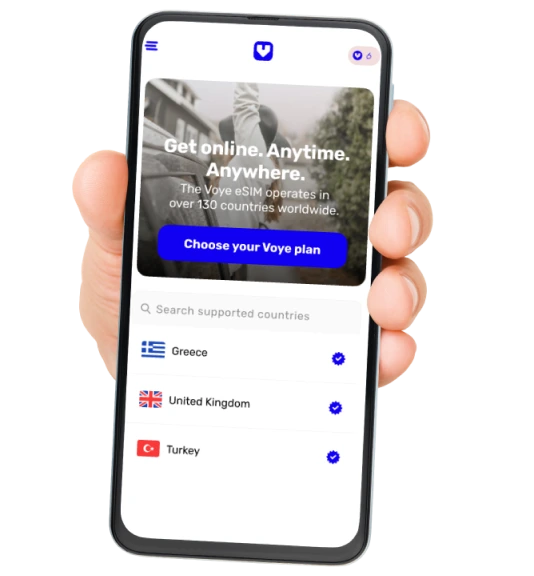
- Solution: Use a dedicated eSIM Greece by Voye Global to maintain a secure, private 5G connection throughout your trip.
Medical Infrastructure
Healthcare in Greece is high-quality, but can be strained on smaller islands.
- The “Small Island” Risk: If you have a serious medical emergency on a remote island like Anafi or Sikinos, you will likely need to be airlifted to Athens or Crete. This is why Comprehensive Travel Insurance with medical evacuation coverage is non-negotiable.
- Pharmacy Access: Greek pharmacists are highly trained and can often provide consultations and certain medications that would require a doctor’s visit in other countries. Look for the green cross sign.
Cultural Sensitivity and Local Laws
Respecting local norms is the best way to avoid unnecessary trouble with authorities.
- Photography Restrictions: It is strictly illegal to take photos of military installations or personnel. This includes certain airports and ports that have a military presence.
- Dress Codes: When visiting monasteries (like Meteora) or churches, your shoulders and knees must be covered. Most sites provide wraps, but it is more respectful to come prepared.
- Public Decorum: Public intoxication is looked down upon in Greek culture. While Greece has a vibrant “bar culture,” being excessively loud or rowdy in the streets can lead to a “Disturbing the Peace” citation.
Conclusion: Preparation is the Best Protection
Greece remains a pinnacle of global tourism, and the risks mentioned here should not deter you. Instead, they should empower you. By understanding the 2026 EES requirements, keeping a sharp eye on your belongings on the Metro, and respecting the raw power of the Greek climate, you ensure that your memories will be of the golden light on the Aegean and the taste of authentic Kalamata olives – not of lost passports and emergency rooms.
Travel smart, stay connected, and let the spirit of Greece guide you safely through your journey.

Seamless Mobile Data Everywhere
Voye Global — Your Trusted eSIM Partner for Secure & Reliable Travel.



 English