











Note that iPhone devices from Mainland China aren’t eSIM compatible. Also iPhone devices from Hong Kong and Macao aren’t compatible (except for iPhone 13 Mini, iPhone 12 Mini, iPhone SE 2020 and iPhone XS)
Greece feels familiar even before you arrive. The white houses, blue seas, ancient ruins, and long café conversations have shaped travel dreams for decades. Yet planning a first trip can quickly become confusing because the country is not one single experience. Greece is a collection of islands, landscapes, and cultures that vary widely from one region to another. Many travelers try to visit too many places and end up spending more time moving than enjoying. A thoughtful plan makes the difference between a rushed vacation and a memorable journey.
This guide is designed to simplify your choices. Instead of overwhelming you with dozens of islands, it focuses on the destinations that consistently work best for first-time visitors. You will learn where to begin, which islands match your interests, how long to stay, and how to structure a smooth itinerary. By the end, you will understand exactly how to experience history, beaches, culture, and relaxation in one balanced trip across Greece.
Stay Connected in Greece
Activate mobile data instantly across cities, ferries, and islands.
Start in Athens: Understanding Greece Before the Islands
Your trip should begin in Athens. The capital city is not just an arrival point. It provides context for everything you will see later. The monuments, museums, and neighborhoods tell the story of Western civilization, democracy, and philosophy. Walking through the city helps you understand why Greece remains one of the most historically important destinations in the world.
The Acropolis stands above the city and becomes the centerpiece of your visit. Seeing the Parthenon in person is a powerful experience because it connects textbooks to reality. Nearby, the Acropolis Museum displays sculptures and artifacts that bring ancient life into focus. Travelers who skip Athens often regret it because they miss the foundation of Greek culture.
Beyond history, the city is lively and modern. Outdoor restaurants stay open late, bakeries serve fresh pastries each morning, and rooftop cafés provide sunset views across the city. Neighborhoods like Plaka and Koukaki are particularly convenient for visitors because they allow you to walk almost everywhere. Two or three nights in Athens is enough to explore comfortably without feeling rushed.
- Visit the Acropolis early in the morning
- Explore Plaka streets at night
- Try a local bakery breakfast
Santorini: The Iconic Greek Landscape
Santorini is usually the first island people imagine when they think about Greece. The island sits on the rim of a volcanic caldera, creating dramatic cliffs overlooking deep blue water. White buildings cascade down the hillsides, and churches with blue domes appear at every turn. The scenery feels almost unreal.
For a first visit, Santorini works best as a short stay rather than a long vacation. Two nights is ideal. You can walk through Oia village, enjoy a caldera sunset, and explore volcanic beaches. While beautiful, the island is not primarily a swimming destination. Many beaches have dark volcanic sand and steep entry into the water. The main appeal is the scenery and atmosphere.
Dining in Santorini is also memorable. Restaurants overlook the sea, and meals often stretch into long evenings. Fresh seafood, grilled vegetables, olives, and local wines define the island’s culinary experience. A sunset dinner here often becomes the highlight of a first trip to Greece.
- Walk from Fira to Oia along the caldera path
- Book sunset views in advance
- Explore local wineries and tastings
Travel Greece Without Roaming
Avoid roaming fees and use maps, bookings, and calls easily.
Mykonos: Beaches and Energy
Mykonos offers a completely different experience. While Santorini is romantic and scenic, Mykonos is vibrant and social. Travelers come for clear water, beach clubs, and nightlife. The island’s old town features narrow white streets, small boutiques, and waterfront dining areas known as Little Venice.
Even if you are not interested in parties, Mykonos can still be enjoyable for its beaches alone. The water is calm and swimmable, and many beaches provide sunbeds and cafés. Spending two to three nights allows you to explore the town, relax by the sea, and take a boat excursion to nearby coves.
This destination works especially well for friends traveling together or couples who want a lively atmosphere. However, travelers seeking quiet culture may prefer another island instead of extending their stay here.
- Spend mornings at quieter beaches
- Visit windmills and the old town early
- Take a short boat trip to nearby coves
Crete: The Complete Greek Experience
Crete is often considered the best overall choice for first-time visitors who want variety. It is the largest Greek island and offers a mix of beaches, historic towns, mountains, and traditional villages. Unlike smaller islands, Crete feels like a full country within a country. Travelers comparing regions often research the nicest part of Greece to visit before finalizing their itinerary, especially when choosing between popular islands and quieter areas.
The city of Chania is the ideal base. Its Venetian harbor, lighthouse, and colorful buildings create a charming atmosphere. From here, you can visit famous beaches such as Balos Lagoon and Elafonissi, both known for shallow turquoise water. Inland villages introduce traditional Greek life, including family-run tavernas and local markets.
Reliable Data Across Islands
Fast internet access for navigation, tickets, and reservations everywhere.
Food is another reason to include Crete. Many Greeks believe the island produces the best cuisine in the country. Meals emphasize fresh ingredients, olive oil, herbs, and slow-cooked dishes. Eating in Crete often feels like dining at someone’s home rather than a restaurant.
Three to five nights here allows you to balance relaxation with exploration. Renting a car is recommended because it gives access to remote beaches and mountain landscapes that ferries and buses cannot easily reach.
- Drive to the Balos Lagoon viewpoint
- Visit local village tavernas
- Explore coastal roads at sunset
Structuring the Ideal Itinerary
A well-planned route prevents travel fatigue. The following schedule works smoothly for most travelers visiting for about ten days:
- Athens for two nights
- Santorini for two nights
- Crete for four nights
- Final night back in Athens before departure
This structure minimizes ferry transfers and avoids tight connections. It also allows you to gradually transition from city exploration to island relaxation. Flights between islands are often faster than ferries, especially when traveling longer distances.
Best Time to Visit Greece
Timing significantly affects your experience. Summer is popular but not always ideal. July and August bring intense heat and heavy crowds, especially on famous islands. Prices also increase during this period.
The best months are May, June, and September. The weather remains warm, the sea is comfortable for swimming, and the number of visitors is lower. October can also be pleasant, though some beach facilities begin to close later in the month.
Spring offers blooming landscapes and comfortable sightseeing temperatures. Fall provides warm water and quieter streets. Both seasons allow you to enjoy attractions without long queues.
- May offers mild temperatures for sightseeing
- June has warm seas and clear skies
- September balances weather and lower prices
Check out our plans
-
Greece 7 Days 6GB
USD 9.00 -
Greece 7 Days Unlimited Data
USD 13.00 -
Greece 15 Days 10GB
USD 13.00 -
Greece 20 Days Unlimited Data
USD 29.00 -
Greece 30 Days 15GB
USD 16.00 -
Greece 30 Days Unlimited Data
USD 39.00
Getting Around the Country
Transportation in Greece is straightforward once you understand the options. Domestic flights connect major islands quickly and are often worth the small extra cost. Ferries remain popular because they provide scenic journeys across the Aegean Sea, but they can take several hours.
Within cities, walking is often easiest. Athens has a metro system that connects the airport to the city center. Taxis and ride services are affordable compared to many European countries. On larger islands such as Crete, renting a car improves flexibility and helps you discover hidden locations.
- Compare flights and ferries before booking
- Keep digital boarding passes saved
- Start early on travel days
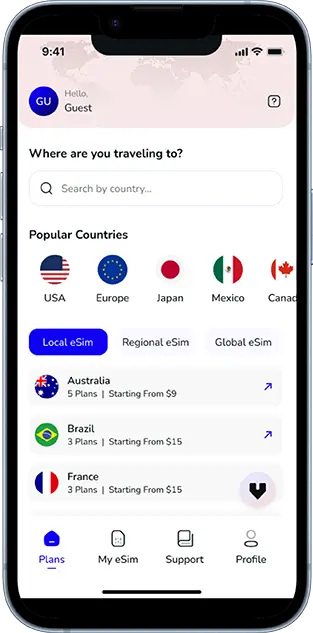
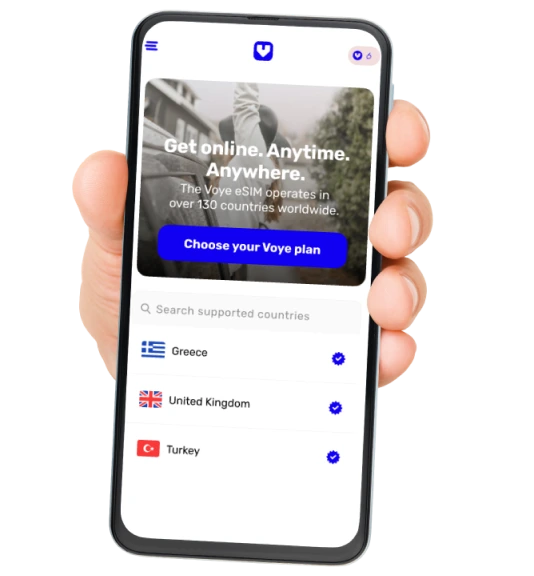
For connectivity during travel, many visitors prefer a Greece eSIM for reliable internet access. Using a digital plan from Voye Global allows navigation, reservations, and communication without searching for local SIM cards after arrival.
Greek Food and Dining Culture
Food is central to daily life in Greece. Meals are social events and rarely rushed. Restaurants often serve multiple small dishes to share, known as meze. Expect grilled meats, seafood, fresh salads, cheeses, and warm bread with olive oil.
A typical day may begin with Greek yogurt and honey, followed by a leisurely lunch and a late dinner after sunset. Locals dine later than many visitors expect, often around 9 pm or later. Participating in this rhythm makes the experience more authentic.
- Try local meze platters
- Taste regional olive oils
- Ask servers for daily specials
Vegetarians also find plenty of options because many traditional dishes rely on vegetables, legumes, and herbs. Seasonal produce plays an important role, so menus vary depending on the region and time of year.
Cultural Etiquette and Practical Tips for Greece

Greek culture values friendliness and politeness. Simple gestures go a long way. Learning a few local words, such as hello and thank you, is appreciated, though English is widely spoken in tourist areas. Many visitors also wonder, Is Greece safe for Americans, and understanding local behavior and awareness tips helps travelers feel more comfortable throughout the trip.
Dress codes are generally relaxed, but modest clothing is required inside monasteries and churches. Comfortable walking shoes are essential because historic streets often use stone paths and uneven surfaces.
A few practical tips help first-time travelers:
- Carry cash for small purchases in villages
- Book ferries and flights in advance during peak season
- Drink plenty of water during summer sightseeing
Budget Expectations
Greece can fit different budgets depending on travel style. Athens offers affordable hotels and meals, while Santorini and Mykonos are more expensive. Crete often provides better value with larger accommodations and lower dining costs.
Travelers who visit in the shoulder seasons save money and enjoy fewer crowds. Choosing local tavernas instead of waterfront restaurants also reduces expenses without sacrificing quality. Overall, Greece remains more affordable than many Western European destinations.
- Travel in shoulder season for deals
- Choose family-run accommodations
- Use public transport in cities
Conclusion
A first trip to Greece should feel balanced rather than rushed. Beginning in Athens gives historical context, Santorini provides iconic scenery, and Crete offers authentic culture and beaches. This combination creates a well-rounded experience that introduces the country without overwhelming your schedule.
With thoughtful planning, Greece becomes easy to navigate and deeply rewarding. You will leave with memories of ancient ruins, sea views, welcoming locals, and long evenings around shared meals. Instead of trying to see everything at once, focus on a few meaningful destinations and allow time to enjoy them. Your first journey to Greece will likely inspire a return, because each island offers another story waiting to be discovered.

Seamless Mobile Data Everywhere
Voye Global — Your Trusted eSIM Partner for Secure & Reliable Travel.



 English