




Why Internet Connectivity on a Cruise is Such a Challenge
Unlike travel on land, where you can hop between mobile networks seamlessly, a cruise ship operates in one of the most connectivity-challenging environments on the planet. When a vessel sails far from shore, it loses access to terrestrial cell towers entirely. Everything relies on satellite communication, which is expensive infrastructure to maintain and limited in the total bandwidth it can deliver to a ship at any given moment.
The challenge multiplies when you consider that large cruise ships carry anywhere from 2,000 to 7,000 passengers and crew. Every single one of those people is competing for the same satellite pipeline when they try to send a message, load a webpage, or stream a video. This fundamental physics problem is why cruise internet connectivity has historically been so disappointing, and why passengers have long searched for better alternatives like a cruise eSIM or maritime data plan.
In recent years, however, technology has shifted meaningfully. The rise of maritime cellular networks, low-earth orbit satellites, and eSIM technology for travel has given cruise passengers a genuine choice for the first time. The question is: which option is actually better for your trip?
Cruise Ship Wi-Fi: How It Works and What It Costs
The Technology Behind Onboard Internet
Every major cruise line today offers some form of onboard Wi-Fi. These systems use a combination of geostationary satellite links and, increasingly, low-earth orbit satellite constellations to deliver internet to the vessel. The ship then creates an internal network that passengers access just like any hotel Wi-Fi, by logging into a portal and purchasing a package.
The most important thing to understand about cruise ship Wi-Fi is that it is a shared resource. When thousands of passengers are simultaneously browsing social media, video calling loved ones, and streaming music during a sea day, every user experiences the congestion. Even ships with the most advanced satellite systems on the market routinely report slowdowns during peak hours.
Cruise Ship Wi-Fi Pricing Breakdown
Pricing varies between cruise lines, but here is a realistic picture of what passengers pay for onboard internet in 2026:
| Feature | Cruise Ship Wi-Fi | Voye Global Cruise eSIM |
|---|---|---|
| Basic Plan | $10 – $15 / day | 0.5GB / 1 Day: $17 |
| Standard Plan | $20 – $30 / day | 1GB / 7 Days: $31 |
| Premium Plan | $35 – $50 / day | 3GB / 30 Days: $49 |
| High Data Option | — | 10GB / 30 Days: $115 |
| 7-Day Cost (Premium) | $245 – $350+ | Depends on plan (e.g., 3GB or 10GB options) |
| Usage Flexibility | Limited by ship network | Works across destinations (off-ship included) |
| Speed & Reliability | Often slow, shared bandwidth | Typically faster, depends on local networks |
The price comparison above tells a dramatic story. A passenger on a seven-night cruise who purchases the ship’s premium Wi-Fi package could easily spend $250 to $350 per person, on top of everything else they have already paid for the voyage. That same traveler could purchase a 7-day cruise eSIM data plan from Voye Global for $31 and retain a dedicated, independent data connection throughout the trip.
The Hidden Costs of Cruise Ship Internet
The per-day rate is only part of the picture. Many cruise lines apply additional policies that further inflate the true cost of onboard connectivity. Some charge separate fees for each device you connect. Others advertise a plan as “unlimited” while actually applying speed throttling after a modest usage threshold is reached. Package upgrades during a voyage are often priced at a premium compared to pre-cruise booking rates. For families or groups, these costs multiply rapidly per person.
Perhaps most frustratingly, many passengers purchase expensive Wi-Fi packages only to discover that the speeds do not support the activities they paid for. Loading a video call on a supposedly premium plan during a busy sea day can still result in buffering and dropped connections.
What is a Cruise eSIM and How Does It Work?
An eSIM, or embedded Subscriber Identity Module, is a digital version of the traditional physical SIM card. Instead of inserting a plastic chip into your phone, you install a connectivity profile directly onto your compatible device by scanning a QR code. Most modern smartphones, including recent models from Apple, Samsung, Google Pixel, OnePlus, and many others, support eSIM technology natively.
A cruise eSIM data plan is specifically designed to work over maritime cellular networks. These are different from the land-based cellular towers you rely on at home. Maritime cellular technology enables ships to connect passengers to dedicated satellite-backed mobile data infrastructure, giving each user their own independent slice of bandwidth rather than sharing from a pooled ship-wide system.
Services like Voye Global’s cruise eSIM plans are built specifically for this purpose. They support over 220 cruise ships operated by major lines including Royal Caribbean, Norwegian Cruise Line, MSC Cruises, Carnival, Celebrity Cruises, Princess Cruises, Disney Cruise Line, Holland America, Silversea, and many more.
Setting Up Your Cruise eSIM: A Simple Process
One of the biggest advantages of a cruise eSIM over the ship’s Wi-Fi is the simplicity of setup. Here is the entire process:
- Visit the Voye Global cruise eSIM page before your departure and select the plan that fits your trip duration and data needs.
- Complete the purchase online and receive a QR code delivered instantly to your email or through the Voye Global app.
- Go to your phone’s settings and scan the QR code to install the eSIM profile. The process takes under five minutes.
- Keep your existing home SIM card active in your phone. The eSIM and your physical SIM operate simultaneously, so you never lose access to your regular phone number.
- Board your cruise and activate the eSIM when you are ready to start using data. You are connected from that moment onward.
There are no store visits, no SIM swaps, no on-ship kiosk queues, and no contracts. Everything happens digitally and can be completed before you even leave home.
Speed Comparison: Cruise Wi-Fi vs eSIM
Speed is where the difference between these two connectivity options becomes most tangible for everyday use.
| Activity | Cruise Ship Wi-Fi | Cruise eSIM (Voye Global) |
|---|---|---|
| WhatsApp / iMessage | Variable, often slow | Consistent performance |
| Email with attachments | Possible but slow | Reliable |
| Social media browsing | Usable at off-peak hours | Reliable browsing |
| Video calling (Zoom / FaceTime) | Often unusable in peak hours | Possible with moderate data plan |
| Streaming music | Only on premium plans | Supported with 3GB+ plans |
| Navigation / Maps at port | Requires ship Wi-Fi range | Works anywhere the ship is |
| Photo uploads to cloud | Inconsistent | Stable with adequate plan |
Skip Expensive Ship WiFi
Get faster, more reliable internet without paying daily cruise fees
The fundamental reason for the speed disparity is architecture. Cruise ship Wi-Fi pushes all passengers through a shared satellite bandwidth pool. The more people using the network at the same time, the worse the experience for everyone. A maritime cellular eSIM, by contrast, gives your device a direct connection to the network infrastructure rather than routing through the ship’s internal distribution system.
The ship’s Wi-Fi is like a single garden hose shared among thousands of people. A dedicated cruise eSIM is like having your own faucet.
Reliability on the Open Ocean
Beyond speed, reliability is the other dimension passengers care about deeply. Nothing is more frustrating than paying for connectivity and having it fail at the moment you need it most.
When Cruise Ship Wi-Fi Fails
Cruise ship internet reliability is directly tied to where the ship is geographically. In popular, well-trafficked routes such as the Caribbean or Mediterranean, satellite coverage is generally solid. However, on repositioning voyages, transatlantic crossings, or routes that take ships to more remote destinations, connectivity can become genuinely unreliable for extended periods. There is also the persistent issue of congestion-driven slowdowns and complete service outages that some cruise lines acknowledge in their fine print.
Reliability of Maritime Cellular eSIM
A maritime cellular eSIM like those offered through Voye Global uses a different approach to coverage, relying on maritime communication infrastructure that spans popular global cruise routes. Coverage is specifically designed around the routes and ship positions where the eSIM operates. The dedicated nature of the connection means that your individual experience is not degraded by what thousands of other passengers are simultaneously doing on the ship’s network.
It is worth noting that no connectivity solution at sea offers the same consistency you would experience on land. But the separation from the ship’s congested Wi-Fi infrastructure is a meaningful reliability advantage for eSIM users on supported vessels.
Voye Global Cruise eSIM Plans: Which One Should You Choose?
Voye Global offers five dedicated cruise eSIM plans with transparent, upfront pricing and no hidden charges or automatic renewals. Here is a breakdown of the available options and who each one is best suited for:
Check out our plans
-
Cruise 10GB 30 Days
USD 115.00 -
Cruise 1GB 7 Days
USD 31.00 -
Cruise 3GB 30 Days
USD 49.00 -
Cruise 500MB 1 Day
USD 17.00 -
Cruise 5GB 30 Days
USD 61.00
As a general guide, budget approximately 150MB per day for messaging and light browsing, 300MB per day if you add social media, and 600MB or more per day if you plan to use video calling or stream audio. This means a 7-day cruise passenger with moderate usage would be well served by the 1GB plan, while a traveler on a longer itinerary or with heavier data habits would benefit from the 3GB or 5GB options.
Voye Global also offers family plans through VoyeDataPool, making it cost-effective for groups to manage multiple cruise eSIM connections under one account.
Who Should Use a Cruise eSIM vs Relying on Ship Wi-Fi?
The right choice depends on your travel style, how much connectivity you genuinely need, and the devices you are carrying. Here are some practical scenarios to help you decide:
Choose a Cruise eSIM if You…
- Travel with an eSIM-compatible smartphone and want to save significantly on connectivity costs.
- Need reliable messaging and email access throughout a 7-day or longer voyage.
- Want to stay connected at sea without depending on the ship’s potentially overloaded Wi-Fi network.
- Are traveling as a family or group and want individual data connections without paying per-person ship Wi-Fi rates.
- Value the ability to manage your data usage and plan costs before the trip begins.
- Need access to maps, local guides, and port information when arriving at each destination.
Ship Wi-Fi May Make More Sense if You…
- Are sailing on a ship not yet in the Voye Global cruise support list and have no other options for onboard data.
- Only need very occasional access to check emails once or twice during the voyage and a minimal daily plan is sufficient.
- Are traveling with older devices that do not support eSIM technology.
- Have already pre-purchased a discounted internet package as part of a cruise promotion and the price is competitive.
The Smart Traveler’s Approach
Many experienced cruisers use a combination strategy. They rely on a cruise eSIM for consistent, affordable data connectivity throughout the voyage, and supplement with short ship Wi-Fi sessions only if they need to access specific services that require higher bandwidth in specific moments. The eSIM handles everyday communication at a fraction of the price, while the ship Wi-Fi remains an occasional fallback rather than the primary connection.
Supported Cruise Lines: Where Voye Global Works
One of the most impressive aspects of Voye Global’s cruise eSIM offering is the breadth of supported cruise lines. Coverage spans more than 220 ships across some of the world’s most recognizable fleets. These include Royal Caribbean International ships like the Icon of the Seas, Harmony of the Seas, and Symphony of the Seas. Carnival Cruise Line passengers can use the service across vessels from the Dream to the Mardi Gras. MSC Cruises, Norwegian Cruise Line, Celebrity Cruises, Princess Cruises, Holland America Line, Disney Cruise Line, Regent Seven Seas, Silversea, Oceania Cruises, Virgin Voyages, Seabourn, TUI Cruises, and many more are all part of the supported network.
This breadth of coverage means that for the vast majority of passengers planning a cruise on a mainstream or premium line, a Voye Global maritime eSIM is a compatible and viable option. Travelers can verify their specific ship on the Voye Global supported cruises before making a purchase.
Stay Connected Smartly at Sea
Avoid high cruise WiFi costs with faster, reliable eSIM plans
Final Verdict
The comparison between cruise ship Wi-Fi and a dedicated cruise eSIM comes down to three words: cost, control, and consistency. Ship Wi-Fi is convenient but expensive, congested, and riddled with pricing complexity. A maritime eSIM from a provider like Voye Global gives travelers a dedicated, affordable, and straightforward data connection that does not depend on thousands of other passengers behaving themselves on the same network.
For any passenger with an eSIM-compatible device sailing on one of the 220+ supported ships, a Voye Global cruise eSIM is almost certainly the smarter financial and practical choice. The savings over a typical ship Wi-Fi package are substantial, the setup is genuinely simple, and the peace of mind that comes from knowing your connectivity is sorted before you board is invaluable.
As cruise lines continue to improve their satellite infrastructure, the gap between ship Wi-Fi and eSIM performance may narrow over time. For now, however, the data is clear: if you want to stay connected at sea without an unpleasant bill waiting for you at the end of the voyage, a cruise eSIM data plan is the way to go.
Seamless Mobile Data Everywhere
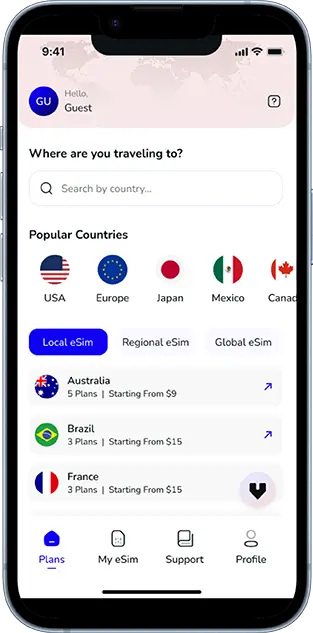














 English