




Remote work has matured from experiment to lifestyle. By 2026, more countries have formalized digital nomad and remote-work programs, added incentives to attract long-term remote professionals, and improved digital infrastructure to support hybrid global teams. If you’re planning to relocate for a few months (or a few years), choosing a country that balances visa ease, cost of living, internet reliability, safety, and community will make or break your experience.
Portugal
Why choose Portugal
Portugal remains a top pick for remote workers thanks to its mild climate, strong expat communities (Lisbon, Porto, and digital-nomad-friendly hubs like the Algarve), and membership in Schengen — which matters if you plan to travel around Europe. Portugal’s D8/digital-nomad-style routes and other residence options for independent workers make it straightforward to stay legally while working remotely. The country also offers excellent internet in urban areas, affordable coworking, and one of Europe’s best quality-of-life scores at relatively affordable Western-European costs.
Practicalities
- Typical monthly budget: $1,500–$3,000 depending on city and lifestyle.
- Best cities: Lisbon (startup scene), Porto (culture + lower cost), Faro/Algarve (sun and beaches).
- Healthcare: public and private systems; travel/expat health insurance recommended.
Need reliable data on arrival?
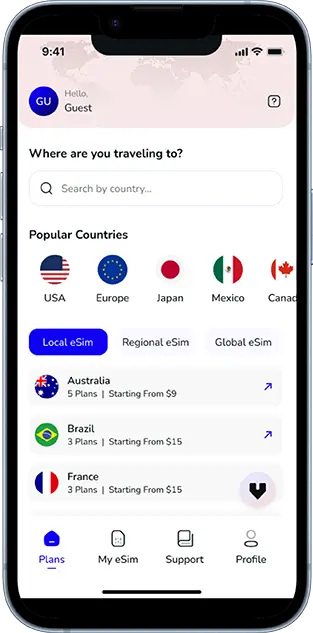
Get an instant eSIM plan for Portugal from Voye Global and be online within minutes.
Spain
Why choose Spain
Spain’s combination of long summers, excellent food and culture, and a recently introduced telework / digital nomad framework make it a favorite. Spain allows remote workers to apply for telework residence permits (and in some regions, generous relocation incentives exist — including programs that encourage remote workers to settle in rural areas). Spain also offers excellent rail and flight connectivity across Europe and high-quality healthcare.
Practicalities
- Typical monthly budget: $1,600–$3,500 (Madrid and Barcelona are pricier).
- Best cities: Barcelona (creative/digital), Valencia (affordable + beaches), Madrid (finance/tech), and many charming smaller towns with local initiatives for remote workers.
- Healthcare: Broad public system; EU citizens use EHIC; non-EU should secure private/expat coverage.
Get connected the moment you land
Activate a Spain eSIM from Voye Global in minutes.
Estonia
Why choose Estonia
Estonia was an early mover with e-Residency and created a formal Digital Nomad Visa that allows remote workers to stay up to 12 months while working for foreign employers or clients. Estonia’s digital-first public services and excellent broadband make it uniquely low-friction for remote entrepreneurs and freelancers who rely on online admin, banking, and company formation. For solo founders and freelancers who need reliable e-government tools, Estonia’s combination of e-services and nomad visa is compelling.
Practicalities
- Typical monthly budget: $1,400–$2,800 (Tallinn is most expensive).
- Best cities: Tallinn (historic center + strong tech scene).
- Healthcare: Good public system (EU rules apply for EU citizens); private plans available.
Go online instantly in Estonia
Grab Voye Global eSIM and start working from Tallinn without delay.
Germany
Why choose Germany
Germany attracts professionals who want high-quality infrastructure, excellent healthcare, and a stable legal environment. Germany offers a freelancer/self-employment visa (commonly called the Freiberufler visa) in many cities for qualified professions. Cities like Berlin, Munich, and Hamburg feed robust startup ecosystems and coworking scenes. Germany is ideal if you want to combine strong public services with a mature urban lifestyle.
Practicalities
- Typical monthly budget: $1,800–$4,000 depending on city.
- Best cities: Berlin (startup & creative), Munich (finance + higher salaries), Leipzig (growing remote scenes).
- Healthcare: Mandatory health insurance; non-EU arrivals must arrange coverage.
Activate eSIM and Stay Connected
Experience hassle-free connectivity wherever you go.
Croatia
Why choose Croatia
Croatia combines stunning coastline and historic towns with an established digital nomad visa program that attracted many remote workers. Places like Split, Dubrovnik, and Zagreb host growing coworking spaces and communities. If you prefer seaside living with EU access and a relaxed lifestyle, Croatia stands out in 2026.
racticalities
- Typical monthly budget: $1,200–$2,500.
- Best cities: Zagreb (urban), Split and Dubrovnik (coastal lifestyle).
- Healthcare: Public system available; private insurance recommended for non-EU residents.
Keep work flowing along the Adriatic
Activate a Croatia eSIM from Voye Global instantly and enjoy uninterrupted connectivity.
Mexico
Why choose Mexico
Mexico is popular for remote workers from North America because of lower living costs, excellent cuisine, warm weather, and time-zone alignment with many U.S. companies. While Mexico generally uses a temporary resident visa (which remote workers commonly use), city ecosystems like Mexico City, Playa del Carmen, and Oaxaca have strong nomad hubs and coworking scenes. Mexico’s temporary residency options can allow stays from months to multiple years depending on the permit.
Practicalities
- Typical monthly budget: $900–$2,500.
- Best cities: Mexico City (culture/tech), Playa del Carmen/Tulum (beach + community), Guadalajara (tech scene).
- Healthcare: Good private healthcare; many expats opt for private insurance.
Stay Online Anywhere in Mexico
Enjoy reliable data for remote work and travel across all regions.
Costa Rica
Why choose Costa Rica
Costa Rica’s “pura vida” lifestyle, biodiversity, and investment in tourism make it attractive to remote workers who value nature and outdoor life. The government’s digital nomad program provides a legal pathway to stay longer than a tourist visit and typically offers tax clarity for remote income. If you’re chasing surf breaks, national parks, and a slower pace, Costa Rica is a top contender.
Practicalities
- Typical monthly budget: $1,300–$2,800 (location-dependent).
- Best areas: San José (urban base), Tamarindo/Montezuma (surf + community), the Central Valley for cooler mountain life.
- Healthcare: Public and private options; expats often choose private insurance.
Work & Wander in Costa Rica
Get high-speed coverage from the beaches to rainforests with one eSIM.
Georgia
Why choose Georgia
Georgia (the country) made headlines by inviting remote workers to “Remotely from Georgia” and is popular for its low cost of living, friendly visa policies for many nationalities, and rapidly improving coworking scenes in Tbilisi and Batumi. The country’s affordability, fascinating cuisine, and hospitality make it a magnet for long-stay nomads wanting to stretch their budgets while enjoying a novel cultural experience. Official government pages highlight the program and eligibility details.
Practicalities
- Typical monthly budget: $700–$1,600.
- Best cities: Tbilisi (cultural hub), Batumi (coastal option).
- Healthcare: Private clinics in cities; travel or private insurance advised.
Stay Connected Across Georgia
Activate your eSIM instantly and enjoy seamless data while exploring Georgia.
United Arab Emirates
Why choose the UAE
The UAE (especially Dubai) offers a one-year Virtual Work/Visa program for professionals who work remotely for employers outside the UAE. Dubai has world-class internet, coworking options, excellent international flight connectivity, and safety. The cost of living is higher, but so is convenience and modern infrastructure — ideal if you need guaranteed speed, premium amenities, and a centralized hub between Europe and Asia. Official UAE and Dubai government pages describe the virtual work permit requirements and process.
Practicalities
- Typical monthly budget: $2,000–$5,000 (varies widely by lifestyle).
- Best cities: Dubai (business infrastructure), Abu Dhabi (calmer option).
- Healthcare: Excellent private healthcare; secure international health coverage.
Arrive, Switch On, and Work
Experience hassle-free connectivity wherever you go.
Barbados
Why choose Barbados
Barbados was among the first Caribbean countries to launch a “12-month Welcome Stamp” that invited remote workers to live and work from the island while paying no local income tax on foreign earnings during the stay. It’s a great pick if you want warm weather year-round, English-speaking locals, and a relatively simple long-stay process. The island has improved broadband in key areas and a welcoming expat community.
Practicalities
- Typical monthly budget: $1,800–$3,500.
- Best areas: Bridgetown and coastal settlements with good connectivity.
- Healthcare: Good private facilities; travel insurance recommended.
Settle in the sun without losing connection
Activate Barbados eSIM from Voye Global before you land.
How to choose the right country for you
- Visa clarity and duration — check official government pages for up-to-date requirements (income thresholds, insurance, criminal checks). Countries and rules change; always verify before booking.
- Time zone alignment — if you’re working with a U.S. or European team, pick a country that minimizes painful meeting times.
- Internet reliability — urban centers almost always win here; check local coworking spaces and recent speed tests.
- Cost vs. comfort tradeoff — cheap doesn’t always mean comfortable or safe. Balance your budget with healthcare and safety needs.
- Community and networking — being near an active remote-work community matters for social life and professional growth.
Connectivity: why an eSIM matters for remote workers
An eSIM is a digital SIM that can be activated instantly on compatible phones and devices — no physical SIM, no queue at the airport kiosk. For remote workers who value uptime, an eSIM lets you:
- Buy and activate local data within minutes.
- Keep your home number active while using a local data plan.
- Switch between regional plans without a physical SIM swap.
Work-friendly gear & tool checklist
- Lightweight laptop with long battery life and a physical privacy shutter for video calls.
- USB-C hub with Ethernet passthrough for coworking spaces with unreliable Wi-Fi.
- Portable battery pack and a compact travel router (if you need a private hotspot).
- Noise-cancelling headset for clear calls.
- eSIM pre-activated
FAQs
Q: Are digital nomad visas taxable locally?
A: Rules vary by country — some exclude foreign-earned income for the visa duration, others may tax local-sourced income. Always confirm with official sources or a tax advisor.
Q: How long do digital nomad visas typically last?
A: Many are for 6–12 months with renewal options; some countries allow multi-year temporary residency routes. Check the individual country program for exact durations.
Q: Will my devices work with local cellular networks?
A: Most modern phones (especially unlocked models) work with international eSIMs. Confirm device compatibility and buy the eSIM plan before landing.
Q: Is coworking expensive?
A: Prices vary: $50–$300 per month depending on city and amenities. Many cities offer flexible day passes if you want to test before committing.
Q: How do I get a local bank account?
A: Rules vary. Some countries let long-term residents open accounts; others require additional documentation. Many remote workers use international fintech firms for cross-border payments.
Final tips and next steps
- Pick two target countries — one primary and one backup in case visa timing or housing complicates things.
- Lock your travel essentials — visa docs, health insurance, and an eSIM so you can work on arrival.
- Test-run remote work for a month in your chosen city before declaring a long-term move — use coworking and short-term rentals to sense the rhythm.
- Keep up with official sites for visa changes (immigration rules shift — always confirm with consulates or government portals).

Seamless Mobile Data Everywhere












 English