














Note that iPhone devices from Mainland China aren’t eSIM compatible. Also iPhone devices from Hong Kong and Macao aren’t compatible (except for iPhone 13 Mini, iPhone 12 Mini, iPhone SE 2020 and iPhone XS)
Asia is a vast, vibrant, and endlessly fascinating continent that attracts millions of travelers every year. From ancient temples and bustling street markets to serene beaches and futuristic cities, Asia offers experiences that feel both timeless and cutting-edge. For first-time visitors and seasoned explorers alike, preparation is the key to transforming a good trip into a truly unforgettable one.
Before you pack your bags, it is important to understand that traveling across Asia is not a one-size-fits-all experience. Cultural norms, travel logistics, climate, and costs can vary dramatically from one country to another. This detailed guide covers what to know when traveling to Asia, helping you plan smarter, travel respectfully, and enjoy your journey with confidence.
Understanding Cultural Diversity and Social Etiquette Across Asia
Respecting Traditions and Local Customs
Asia is home to thousands of ethnic groups, languages, and belief systems. Cultural awareness is not optional here; it is essential. Simple gestures such as removing shoes before entering homes or temples, dressing modestly in religious places, and using polite forms of address can go a long way. Many Asian cultures place strong emphasis on respect, especially toward elders and authority figures.
Travel Asia Seamlessly
Instant connectivity for cities, transport, and local navigation.
In several countries, public displays of affection are frowned upon, while pointing feet at people or religious objects may be considered disrespectful. Learning a few basic phrases in the local language also demonstrates goodwill and often leads to warmer interactions with locals.
Communication Styles and Social Norms
Communication in Asia is often indirect. In many places, people avoid saying no outright to maintain harmony. Understanding nonverbal cues such as body language, tone, and context is especially helpful. Smiling is a common way to diffuse tension or express politeness, even in uncomfortable situations.
Patience is another important social skill. Lines may not always be orderly, service may be slower than expected, and schedules may be flexible. Adapting to these differences will enhance your travel experience rather than frustrate it.
You may also notice that group harmony is often valued over individual expression, so decisions and opinions are sometimes shaped by what benefits the group rather than personal preference, and showing flexibility in these situations is usually well received.
Smart Travel Planning and Documentation Essentials
Visas, Passports, and Entry Requirements
One of the most important things to know when traveling to Asia is that visa rules differ significantly by country and passport type. Some destinations offer visa-free entry or visas on arrival, while others require advance applications. Your passport should generally be valid for at least six months beyond your travel dates.
Always check entry requirements well in advance and keep both digital and physical copies of important documents. Travel insurance is also highly recommended, as healthcare systems and costs vary widely across the region.
Transportation and Regional Connectivity
Asia offers an impressive range of transportation options, from high-speed trains and budget airlines to ferries and overnight buses. Planning intercity travel ahead of time can save money and reduce stress, especially during peak travel seasons.
Within cities, public transportation is often efficient and affordable. Ride-hailing apps are common in many countries, but availability may vary. Understanding local transport etiquette, such as priority seating rules, helps you blend in more easily.
For travelers planning a trip to Japan as part of their Asian journey, a comprehensive Japan travel guide offers forward-looking insights on attractions, travel trends, and planning considerations for the coming years.
Food, Health, and Personal Safety Considerations
Navigating Asian Cuisine Safely
Food is one of Asia’s greatest highlights. Street food, local markets, and family-run restaurants offer authentic flavors that define each destination. However, travelers should take basic precautions. Eating freshly cooked food, avoiding untreated water, and being cautious with ice can help prevent stomach issues.
If you have dietary restrictions or allergies, learn how to communicate them clearly. In many regions, meals are shared communally, and spice levels may be higher than expected. Trying local dishes gradually allows your body time to adjust.
Check out our plans
-

Asia 7 days 3GB
USD 9.00 -
Asia 7 Days Unlimited
USD 15.00 -
Asia 15 days 5GB
USD 15.00 -
Asia 15 Days Unlimited
USD 25.00 -
Asia 30 days 10GB
USD 25.00 -
Asia 30 Days Unlimited
USD 43.00
Health Preparations and Medical Awareness
Before departure, research recommended vaccinations and pack a basic medical kit. Pharmacies are widely available in most Asian cities, but brand names and formulations may differ. Knowing the generic names of medications can be helpful.
Safety standards vary, so activities like scooter rentals or adventure tours should be chosen carefully. Use reputable operators and always prioritize your well-being over convenience.
Budgeting, Currency, and Smart Spending Habits
Managing Money Across Multiple Countries
Asia is often perceived as budget-friendly, but costs vary greatly depending on destination and travel style. While Southeast Asia offers excellent value for money, regions like East Asia can be more expensive. Planning a daily budget helps you control spending without sacrificing experiences.
Cash is still king in many areas, especially in rural regions and local markets. However, digital payments and mobile wallets are becoming increasingly common in urban centers. Inform your bank before travel and carry a mix of payment options.
Avoiding Common Tourist Traps
Tourist areas may have inflated prices, particularly for transportation and souvenirs. Researching average costs beforehand gives you a reference point for negotiations. Bargaining is common in some countries but considered rude in others, so understand local norms.
Midway through your journey, reflecting on what to know when traveling to Asia can help you adjust your spending habits and focus on experiences that truly matter, rather than impulsive purchases.
Packing, Climate Awareness, and Sustainable Travel Choices

Dressing for Climate and Comfort
Asia’s climate ranges from tropical humidity to alpine cold. Packing versatile clothing that can be layered is essential. Lightweight, breathable fabrics work well in hot regions, while modest clothing is necessary for visiting temples and rural areas.
Comfortable walking shoes are a must, as many destinations involve extensive walking. Laundry services are widely available, allowing you to pack lighter and travel more comfortably.
Understanding January travel trends helps travelers planning trips to Asia and beyond decide between snowy destinations and warmer escapes based on their preferences.
Stay Connected in Asia
Reliable mobile data across borders without physical SIM cards.
Responsible and Sustainable Travel Practices
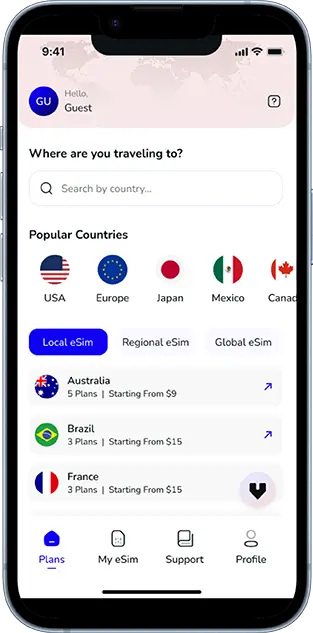
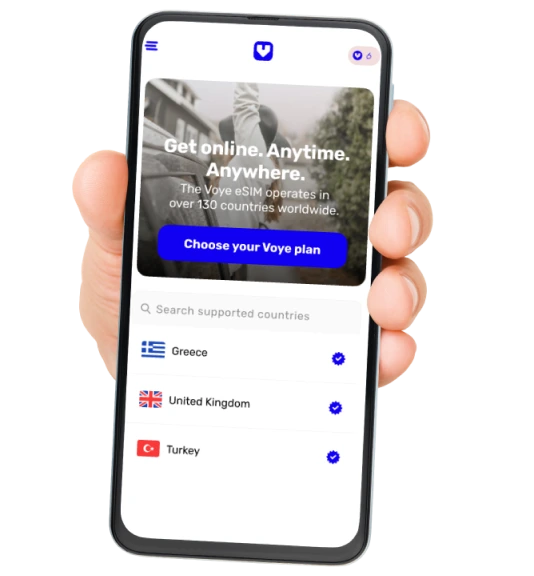
Sustainable travel is becoming increasingly important across Asia as destinations work to preserve their cultural and environmental heritage. Being mindful of your environmental footprint, reducing plastic consumption, and respecting local wildlife all play a role in protecting these places for future travelers. Supporting local businesses and community-based tourism initiatives ensures that your spending directly benefits the people who call these destinations home. Responsible connectivity is also part of modern travel, and solutions like eSIM Asia by Voye Global offer a convenient way to stay connected across multiple countries while reducing the need for physical SIM cards.
Conclusion
Traveling through Asia is a journey that challenges assumptions, broadens perspectives, and rewards those who approach it with preparation and respect. Understanding cultural nuances, planning logistics carefully, and staying mindful of health and safety allows you to focus on the joy of discovery rather than avoidable obstacles.
By keeping these insights in mind, you will be better equipped to navigate the diversity and beauty of the continent. Knowing what to know when traveling to Asia empowers you to travel confidently, connect authentically, and create memories that last a lifetime.

Seamless Mobile Data Everywhere
Voye Global — Your Trusted eSIM Partner for Secure & Reliable Travel.



 English