














Note that iPhone devices from Mainland China aren’t eSIM compatible. Also iPhone devices from Hong Kong and Macao aren’t compatible (except for iPhone 13 Mini, iPhone 12 Mini, iPhone SE 2020 and iPhone XS)
Traveling to Japan is an exciting experience for many Americans. The country offers a fascinating mix of ancient traditions and cutting-edge modern life, all wrapped in a culture that values respect, harmony, and consideration for others. However, what feels normal or even polite in the United States can sometimes come across as rude or confusing in Japan. Understanding what not to do is just as important as knowing what to do.
This guide is designed to help American travelers avoid common cultural missteps while visiting Japan. It focuses on everyday situations like public transportation, dining, walking through cities, and relaxing in traditional spaces. By learning these cultural expectations before you go, you can travel with confidence, show respect to locals, and enjoy a smoother, more meaningful trip. For a broader overview of entry requirements, cultural basics, and travel planning tips, you can also explore this detailed Japan travel guide for US citizens before your journey.
Stay Connected In Japan
Get instant data access for maps, etiquette tips, and transit.
Understanding the importance of etiquette in Japan
Japanese society places a strong emphasis on social harmony. People are encouraged from a young age to be aware of how their actions affect others. This mindset influences everything from how people speak in public to how they stand on an escalator. For Americans, who often value self-expression and casual interactions, this can feel restrictive at first. In reality, these unwritten rules help keep crowded cities calm and orderly.
When visitors follow local etiquette, it is seen as a sign of respect rather than perfection. Japanese people do not expect foreigners to know every rule, but they do appreciate effort. Avoiding certain behaviors can go a long way toward creating positive interactions and avoiding uncomfortable situations.
Being loud in public spaces
One of the most noticeable differences for Americans in Japan is the volume of public life. Trains, buses, and even busy streets tend to be much quieter than you might expect in major US cities. Speaking loudly on public transportation, laughing boisterously, or having animated conversations can draw unwanted attention. Phone calls on trains are particularly frowned upon, even when spoken quietly. Many trains have signs reminding passengers to silence their phones and avoid calls.
In Japan, public transportation is often seen as a shared, calm space where people can relax, read, or even sleep. Keeping your voice low shows respect for everyone around you.
Talking on the phone while walking or riding transit
In many American cities, it is completely normal to talk on the phone while walking down the street or riding a bus. In Japan, this behavior is generally considered inconsiderate, especially on trains and buses. On public transit, phone calls are usually avoided altogether. Even in stations or on sidewalks, loud conversations can feel intrusive in crowded areas. Texting or quietly checking messages is far more acceptable.
By staying aware of your surroundings and limiting phone conversations, you align more closely with local expectations and avoid standing out for the wrong reasons.
Eating or drinking while walking
Grabbing a coffee to go or eating a snack while strolling is a common habit in the United States. In Japan, however, eating while walking is often discouraged. The idea is that food deserves attention and appreciation, not to be consumed mindlessly on the move. Even in “street food” areas, the etiquette is to stand still while you eat.
You will notice that people usually stop near vending machines or designated areas to eat or drink before continuing on their way. On trains, eating is typically avoided unless you are on long-distance services like the Shinkansen. Following this practice helps keep public spaces clean and shows respect for the food itself.
Check out our plans
-
Japan 7 days 5 GB
USD 9.00 -
Japan 7 Days Unlimited Data
USD 13.00 -
Japan 15 days 8GB
USD 13.00 -
Japan 15 Days Unlimited Data
USD 23.00 -
Japan 30 days 25GB
USD 25.00 -
Japan 3 Days Unlimited Data
USD 6.00
Tipping in Japan
Tipping is one of the biggest cultural differences American travelers encounter. In the United States, tipping is expected in restaurants, hotels, and taxis. In Japan, tipping is not customary and can actually cause confusion. Service workers take pride in doing their job well without expecting extra money. Offering a tip may be politely refused or returned, and in some cases, it can make the situation awkward. Exceptional service is simply considered part of the job.
Instead of tipping, expressing gratitude through a polite thank you or a small bow is more appropriate and appreciated.
Improper chopstick use
Chopsticks are an essential part of Japanese dining, and there are several important rules around how they should be used. Some behaviors are not just impolite but symbolically inappropriate due to their association with funerals. Never stick your chopsticks upright in a bowl of rice, as this resembles a ritual performed for the dead. Passing food directly from one set of chopsticks to another is also avoided for the same reason. Pointing with chopsticks, waving them around, or stabbing food is considered poor manners.
If you are unsure what to do with your chopsticks, placing them neatly on the holder provided is always a safe option.
Pouring your own drink
When dining with others, especially in social or business settings, pouring your own alcoholic drink is not customary in Japan. Instead, people pour drinks for one another as a gesture of politeness and attentiveness. If you notice someone else’s glass is empty, offering to refill it is a kind gesture. In turn, they may do the same for you. This practice helps build rapport and shows consideration for the group.
While this custom is most common with alcohol, the underlying principle of looking out for others applies broadly in Japanese social settings.
Removing shoes indoors
One of the most important customs to remember is removing your shoes indoors. This applies to homes, traditional inns, many restaurants, temples, and even some workplaces. You will usually see a clear area near the entrance where shoes are removed, often with slippers provided. Wearing outdoor shoes inside is considered unclean and disrespectful.
Always look for cues like shoe racks or raised floors, and when in doubt, observe what others are doing.
Travel Smarter In Japan
Avoid mistakes using reliable mobile data wherever you go.
Respecting personal space
Japan is densely populated, yet people make an effort to respect personal space as much as possible. Unnecessary physical contact is avoided, even in crowded places. Hugging, back slapping, or touching strangers is uncommon. Even among friends, physical affection is usually subtle. Being mindful of this can help you avoid making others uncomfortable.
Standing in orderly lines and following directional signs also contributes to a sense of shared respect in public spaces.
Public displays of affection
Excessive public displays of affection are generally discouraged in Japan. While holding hands is common among young couples today, kissing or hugging in public can still attract unwanted attention or cause embarrassment for those around you. This is especially true in rural areas or traditional settings. Keeping affection discreet aligns with local expectations and helps you avoid standing out.
Photography etiquette
Japan is incredibly photogenic, but that does not mean every moment or place is fair game for photos. Taking pictures of people without permission, especially in quiet neighborhoods or traditional areas like Gion, can be intrusive. Some temples, shrines, and shops have clear rules against photography. Always look for signs and respect them. When photographing individuals, asking for permission is a courteous approach.
Being mindful with your camera shows respect for privacy and cultural sensitivity.
Tattoos and Onsen etiquette
Tattoos in Japan have historically been associated with organized crime, which affects how they are perceived. Many traditional public baths and hot springs, known as onsen, still do not allow guests with visible tattoos. However, this is changing; some modern facilities are flexible or offer private bathing options. Covering small tattoos with waterproof bandages is often acceptable today.
Researching onsen policies in advance on websites like “Tattoo-Friendly Japan” can help you avoid disappointment and ensure a relaxing experience.
Following the rules on public transportation
Japanese public transportation is known for its efficiency and orderliness. This relies heavily on everyone following the rules. Passengers are expected to wait for others to exit before boarding and follow directional signs. On escalators, the standing side varies: stand on the left in Tokyo, but on the right in Osaka. Observing the person in front of you is the best way to fit in.
Ignoring these norms can disrupt the flow and draw negative attention.
Trash and cleanliness
Public trash bins are surprisingly rare in Japan, yet the streets are remarkably clean. People are expected to carry their trash with them until they find a proper disposal spot, often inside convenience stores. Recycling bins next to vending machines are strictly for bottles and cans. Littering is socially unacceptable, and sorting trash correctly is important. This reflects a cultural value of taking responsibility for shared spaces.
Carrying a small bag for trash can be helpful while traveling.
Instant Japan Connectivity
Activate reliable data nationwide without swapping physical SIM cards.
Why do Americans often stand out unintentionally?
Many of the behaviors that make Americans stand out in Japan are not intentional. They come from cultural habits that are perfectly acceptable at home but interpreted differently abroad. Speaking loudly, assuming tipping is required, or eating on the go are examples of actions that feel natural to Americans. Becoming aware of these differences is the first step toward more respectful travel.
The goal is not to suppress your identity, but to adapt your behavior to the context you are in.
Staying connected while traveling respectfully
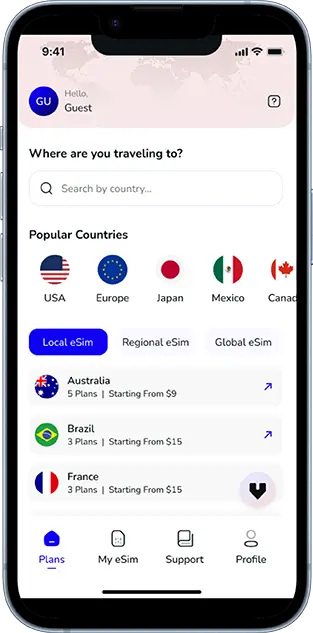
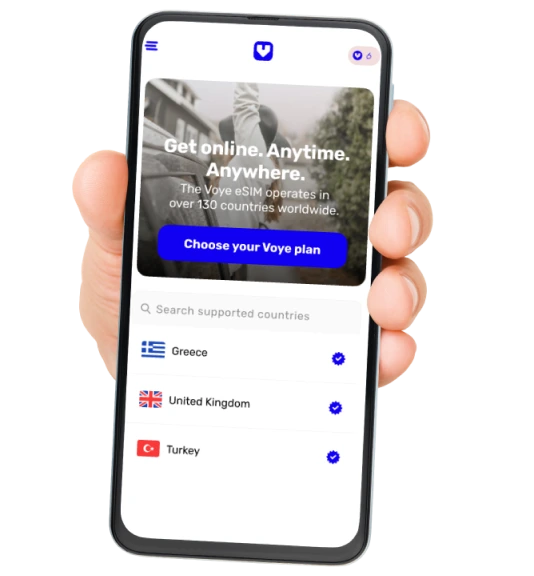
Navigating a new culture is easier when you have reliable access to maps and translation tools. Using an eSIM for Japan allows travelers to stay connected without constantly searching for WiFi, helping you look up etiquette tips or transit rules on the go. Voye Global makes it easier to manage connectivity while traveling, allowing you to focus on the experience. Staying informed in real time can help you avoid mistakes and travel more confidently.
Practical reminders for everyday situations
While there are many rules, most situations come down to a few guiding principles. Being observant, quiet, and considerate will help you navigate most social interactions successfully.
Keep your voice low in shared spaces, follow posted signs, and respect local customs and behavior. When unsure, choose the more reserved option. These small adjustments can make a big difference in how you are perceived.
Embracing cultural differences with confidence
Traveling in Japan as an American is not about walking on eggshells. It is about understanding that different societies value different behaviors. Once you adjust your mindset, many of these customs begin to feel natural rather than restrictive. Japan is generally very forgiving toward visitors who show genuine respect. Even if you make a mistake, a polite attitude and willingness to learn are usually met with kindness.
Approaching your trip with curiosity rather than fear allows you to fully appreciate what makes Japan unique.
Final thoughts for American travelers

Japan offers an incredible travel experience filled with beauty, history, and thoughtful design. Understanding what not to do helps you navigate this environment with ease and respect. By being mindful of volume, dining etiquette, personal space, and local rules, you show appreciation for the culture that is hosting you. These efforts do not go unnoticed and often lead to more positive interactions throughout your trip.
As you plan your journey, remember that respectful travel is not about perfection. It is about awareness, adaptability, and a genuine desire to engage with a culture different from your own. With this mindset, your time in Japan is likely to be rewarding, enriching, and unforgettable. If you are preparing for an upcoming trip, especially with changing travel norms and updated regulations, this Japan travel guide for 2026 offers timely insights to help you stay informed.

Seamless Mobile Data Everywhere
Voye Global — Your Trusted eSIM Partner for Secure & Reliable Travel.



 English