












Note that iPhone devices from Mainland China aren’t eSIM compatible. Also iPhone devices from Hong Kong and Macao aren’t compatible (except for iPhone 13 Mini, iPhone 12 Mini, iPhone SE 2020 and iPhone XS)
The United States is home to some of the world’s most significant natural and cultural landmarks, many of which are recognized as UNESCO World Heritage Sites for their universal value. While these sites attract visitors year-round, January offers a quieter, more reflective way to experience them, with fewer crowds, unique seasonal landscapes, and often better travel value.
From wetlands and ancient cave systems to living Indigenous communities and iconic urban landmarks, January reveals a different side of America’s UNESCO sites. This guide explores the best US UNESCO World Heritage Sites to visit in January, along with practical insights to help you plan a smooth and responsible trip.
Why January Is an Ideal Time to Visit US UNESCO Sites?
January is often overlooked for domestic travel, but it comes with several advantages, especially for heritage-focused journeys.
Many sites experience significantly lower visitor numbers, allowing for a more immersive experience without long lines or packed viewpoints. Cooler temperatures make exploration more comfortable in southern destinations, while winter scenery adds a dramatic layer to mountainous and forested parks. Accommodation availability is generally better, and off-season pricing can make longer stays more accessible.
For travelers who value quiet exploration, photography, and deeper engagement with history and nature, January is an excellent choice.
Your Journey, Our eSIM
Stay connected across the US with flexible Voye Global plans, designed for seamless travel wherever January takes you.
Understanding UNESCO World Heritage Sites in the US
UNESCO World Heritage Sites are designated based on strict criteria that recognize either cultural significance, natural importance, or a combination of both. In the United States, these sites include national parks, historic monuments, and living cultural landscapes.
Visiting these places comes with a shared responsibility to respect conservation efforts, follow site-specific guidelines, and support preservation initiatives that protect these landmarks for future generations.
1. Everglades National Park, Florida
Everglades National Park is one of the most ecologically important wetlands in the world and a UNESCO-listed natural site. January falls during the park’s dry season, making it the best time of year for wildlife viewing.
Lower water levels draw animals closer to visible areas, increasing sightings of alligators, manatees, wading birds, and other native species. Cooler temperatures and fewer insects also make walking trails, kayaking routes, and ranger-led programs far more comfortable.
January is ideal for travelers interested in ecology, birdwatching, and slow exploration of a fragile ecosystem.
2. Mammoth Cave National Park, Kentucky

Home to the longest known cave system on Earth, Mammoth Cave National Park offers a year-round experience thanks to its stable underground temperatures. January brings fewer visitors, which often means smaller tour groups and a more intimate learning environment.
Above ground, winter reveals the park’s quiet beauty, while inside the caves, guided tours showcase vast chambers, geological formations, and human history dating back thousands of years. Advance booking is recommended even in winter, as tour availability can be limited.
This destination is well-suited for travelers interested in geology, archaeology, and educational travel.
3. Great Smoky Mountains National Park, North Carolina & Tennessee
The Great Smoky Mountains are renowned for biodiversity, misty landscapes, and cultural history. In January, the park transforms into a peaceful winter retreat, with snow occasionally dusting higher elevations.
While some trails may be weather-dependent, many scenic drives and lower-elevation hikes remain accessible. Wildlife is easier to spot due to sparse foliage, and historic cabins and structures feel especially atmospheric in winter.
January is perfect for photographers and travelers seeking solitude in one of America’s most visited parks, without the crowds.
4. Mesa Verde National Park, Colorado
Mesa Verde preserves some of the most remarkable archaeological sites in North America, showcasing Ancestral Puebloan cliff dwellings built over 700 years ago. In January, snow contrasts beautifully with sandstone structures, offering a striking visual experience.
While access to certain cliff dwellings may be limited due to weather, the park’s museums, viewpoints, and interpretive exhibits remain accessible. Visiting in winter encourages a deeper appreciation of the ingenuity and resilience of the people who once lived here.
This site is ideal for culturally curious travelers who value history over high-energy sightseeing.
Coverage Across United States at Local Rates
Explore America’s UNESCO sites with reliable US connectivity from Voye Global, no roaming, no hassle.
5. Statue of Liberty and Ellis Island, New York
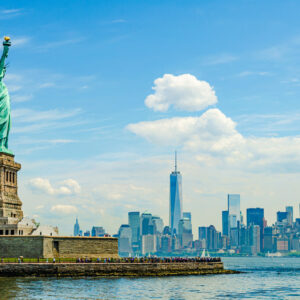
As one of the most iconic cultural UNESCO sites in the US, the Statue of Liberty and Ellis Island represent themes of migration, freedom, and identity. January brings significantly fewer visitors, making ferry rides and museum visits more relaxed.
Winter light over New York Harbor creates excellent conditions for photography, and museum exhibits are easier to explore without peak-season congestion. Dressing warmly is essential, especially for ferry decks.
This destination is well-suited for travelers interested in social history and urban heritage.
6. Taos Pueblo, New Mexico
Taos Pueblo is a rare example of a living UNESCO World Heritage Site, continuously inhabited for over 1,000 years. January offers a quieter period to visit, often coinciding with traditional winter rhythms.
The adobe structures against snow-dusted surroundings create a powerful visual contrast, and visits during this time feel especially respectful and contemplative. Travelers should follow all cultural guidelines, including restrictions on photography and access.
This site appeals to those seeking meaningful cultural experiences rooted in respect and learning.

If your interest in UNESCO sites extends beyond the United States, exploring culturally rich regions in neighboring countries can add depth to your travel plans. Mexico, in particular, is home to towns that preserve heritage, architecture, and local traditions in remarkable ways. A road journey through the country’s Pueblos Mágicos offers insight into historic communities, artisan cultures, and landscapes that reflect Mexico’s living history. This guide to a road trip through Mexico’s Pueblos Mágicos is ideal for travelers seeking meaningful cultural experiences beyond major cities while maintaining a flexible, immersive travel style.
7. Olympic National Park, Washington
Olympic National Park is unique for its range of ecosystems, from temperate rainforests and rugged coastline to alpine mountains. January showcases this diversity in dramatic ways, with stormy coastal views, snow-covered peaks, and lush green forests.
While some high-elevation areas may be inaccessible, lowland rainforests and coastal trails remain open. Winter weather adds intensity to the landscape, making it a favorite for photographers and nature-focused travelers.
Flexibility and weather awareness are key when visiting in January.
Check out our US plans
-
United States 15 days 8GB
USD 15.00 -
United States 30days 15GB
USD 20.00 -
United States Voice 15 Days 3GB
USD 12.00 -
United States Voice 30 Days 10GB
USD 22.50
What to Pack for Visiting UNESCO Sites in January?
January travel requires thoughtful packing. Layered clothing allows flexibility across climates, while waterproof outerwear is essential for rain or snow. Comfortable walking shoes with good traction are important for icy paths or uneven terrain.
Travelers should also carry offline maps, digital tickets, and essential travel information, especially when visiting remote parks where connectivity can be limited. Staying informed and prepared helps ensure a smooth experience.
Responsible Travel at UNESCO World Heritage Sites
UNESCO sites are protected for a reason. Visitors should stay on marked trails, respect cultural boundaries, and follow all posted guidelines. Supporting visitor centers, local guides, and educational programs helps fund conservation and preservation efforts.
January’s quieter conditions make it easier to practice mindful travel that minimizes impact while maximizing understanding.
Traveling Smarter with Subtle Support from Voye Global

January travel often means navigating weather changes, remote locations, and flexible itineraries. Having reliable access to maps, reservations, and real-time updates can make a significant difference, especially when plans need adjustment.
Tools like Voye Global’s connectivity solutions support seamless travel by keeping essential information accessible, whether you’re exploring national parks, coordinating transport, or checking site updates. Subtle support like this allows travelers to focus on the experience rather than logistics.
Conclusion
Visiting US UNESCO World Heritage Sites in January offers a rare opportunity to experience America’s most important natural and cultural landmarks in a calmer, more immersive way. From wetlands and mountains to historic monuments and living communities, winter reveals depth and perspective often missed during peak seasons.
With thoughtful planning, responsible travel practices, and the right tools to stay informed and connected, January becomes one of the most rewarding times to explore US UNESCO World Heritage Sites.

Seamless Mobile Data Everywhere
Voye Global — Your Trusted eSIM Partner for Secure & Reliable Travel.




 English