














Note that iPhone devices from Mainland China aren’t eSIM compatible. Also iPhone devices from Hong Kong and Macao aren’t compatible (except for iPhone 13 Mini, iPhone 12 Mini, iPhone SE 2020 and iPhone XS)
Planning a trip to the United States is an exciting idea for many travelers, whether it is your first international adventure or another destination added to your travel bucket list. The US offers a wide range of experiences, from vibrant cities and iconic landmarks to breathtaking national parks and cultural diversity that is hard to match anywhere else. However, one of the most common questions travelers ask before planning their itinerary is simple yet crucial: how much will a US trip cost?
The answer is not always straightforward because travel costs in the United States can vary significantly depending on your travel style, destination, duration, and season. From budget backpackers to luxury travelers, there is something for everyone. This detailed guide breaks down the real cost of traveling to the US in 2025-2026, helping you plan your budget efficiently while making the most of your experience.
Average cost of a US trip per person
A typical one-week trip to the United States in 2026 starts at a minimum of $1,500 per person for a budget-conscious experience, excluding international flights. For a mid-range journey with more comfort, expect to spend between $2,200 and $3,500. Travelers seeking high-end luxury or major city immersion can easily exceed $5,000 per week. Setting a $1,500 baseline ensures you can cover rising accommodation costs and essential sightseeing without extreme logistical stress.
Stay Connected Across the USA
Enjoy seamless internet access while traveling across the United States.
Here is a quick breakdown of average weekly costs:
- Budget travel: $1,500 to $2,000
- Mid-range travel: $2,200 to $3,500
- High-end travel: $5,000 and above
Daily expenses also vary depending on your choices. Budget travelers may spend $215 to $285 per day, while mid-range travelers typically spend between $300 and $400 daily.
Accommodation costs across the US
Accommodation is often the biggest expense when traveling in the United States. Prices vary greatly depending on the city, location, and type of stay.
In 2026, accommodation costs in hubs like New York or Miami have been impacted by mandatory ‘Resort Fees’ or ‘Destination Fees,’ which can add $35–$60 per night to your bill. A standard mid-range hotel room now typically ranges from $220 to $350 per night in urban centers. To maintain a $1,500 weekly budget, travelers often opt for hotels just outside city limits or stay in more affordable, transit-linked suburbs.
Budget travelers can save money by choosing hostels, motels, or shared accommodations. These options can cost anywhere from $30 to $80 per night, depending on the location.
If you are traveling in a group, splitting the cost of an apartment rental can make accommodation more affordable. This is especially useful in cities where hotel prices are high.
Transportation expenses in the US
Getting around in the United States can be another major expense, especially because distances between cities are often large. Your transportation costs will depend on whether you rely on public transport, domestic flights, or rental cars.
Car rentals are a popular option for travelers who want flexibility, especially when exploring national parks or road trip routes. On average, renting a car costs around $42 per day, excluding fuel and parking fees. Expect $65 to $80 per day if taxes and basic insurance are included.
Domestic flights are often necessary if you plan to visit multiple cities. The average cost of a domestic flight is around $380 per person, although prices can fluctuate based on demand and booking time.
Public transportation is widely available in major cities and is usually the most cost-effective option. Subway and bus fares are relatively affordable and can help reduce overall travel expenses.
Check out our plans
-

United States Voice 7 Days 3GB
USD 7.00 -
United States 7 Days Unlimited Data
USD 13.00 -
United States Voice 15 Days 3GB
USD 12.00 -
United States 15 Days Unlimited Data
USD 23.00 -
United States Voice 30 Days 10GB
USD 22.50 -
United States 30 Days Unlimited Data
USD 39.00
Food and dining costs
Food expenses in the US can vary depending on your dining habits. On average, travelers spend between $50 and $100 per day on meals.
If you prefer budget-friendly options, you can eat at fast casual restaurants, food trucks, or grocery stores. This can bring your daily food cost down to around $30 to $50.
Mid-range dining, including casual restaurants and cafes, typically costs between $10 and $25 per meal. Fine dining experiences can easily exceed $50 per person per meal.
Tipping is a vital part of the American service economy, and for 2026, 18% to 20% has become the standard baseline for satisfactory sit-down service. While digital payment kiosks at coffee shops and fast-casual spots may suggest higher percentages, budgeting at least 20% for your daily meals – along with small cash tips for hotel housekeeping and tour guides – will ensure you stay within your $1,500+ trip budget without any awkward financial surprises.
Sightseeing and activity expenses
The United States offers a wide variety of attractions, from museums and theme parks to national parks and guided tours. On average, travelers spend about $55 per day on activities and sightseeing.
Entrance fees for popular attractions can range from $10 to $50, depending on the location. Theme parks and special experiences may cost significantly more.
If you plan to visit multiple national parks, be aware of the 2026 pricing tiers for international visitors. The ‘America the Beautiful’ pass for non-residents now costs $250. Additionally, eleven ‘Top Tier’ parks – including the Grand Canyon and Yosemite – now implement a $100 per-person surcharge for international visitors without an annual pass.
Note: These surcharges apply only to visitors aged 16 and older. Kids under 16 are still exempt from the $100 fee, which is a big relief for families!
Free attractions are also widely available, especially in major cities. Parks, walking tours, and public landmarks offer memorable experiences without additional cost.
Cost of longer stays in the US
If you are planning to stay longer than a week, your total cost will increase, but your daily expenses may decrease slightly due to better planning and potential discounts.
A one-month trip to the US can cost anywhere between $4,500 and $9,000 per person, depending on your travel style. Long-term stays allow you to explore more destinations and often provide opportunities to save on accommodation and transportation.
Travelers who stay longer may benefit from weekly or monthly rental discounts, bulk transportation passes, and cooking their own meals.
Factors that influence your travel budget
Several factors can impact the total cost of your US trip. Understanding these variables can help you plan better and avoid unexpected expenses.
Season plays a major role in pricing. Traveling during peak seasons, such as summer or major holidays, can significantly increase costs. Off-season travel often offers better deals on flights and accommodation.
Destination choice also matters. Major cities tend to be more expensive than smaller towns or rural areas. For example, a trip focused on national parks may be more budget-friendly than one centered around metropolitan areas.
Your travel style is another key factor. Luxury travelers will naturally spend more on premium hotels, dining, and experiences, while budget travelers can reduce costs through careful planning.
Travel USA Without Limits
Reliable high-speed data for maps, bookings, and travel apps.
Tips to reduce your US travel costs
Traveling to the United States does not have to break the bank. With the right strategies, you can enjoy a memorable trip while staying within your budget.
Consider these practical tips to save money:
- Book flights and accommodation in advance to secure better prices
- Travel during the shoulder season for lower costs and fewer crowds
- Use public transportation instead of renting a car when possible
- Choose budget accommodations like hostels or shared rentals
- Eat at local eateries and avoid expensive tourist restaurants
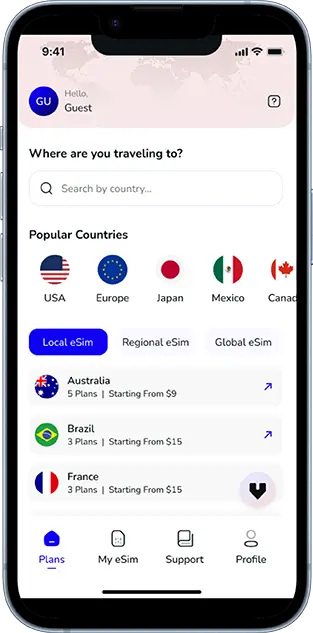
Another smart way to save is by staying connected without high roaming charges. Using a Voye Global eSIM for United States ensures reliable connectivity at affordable rates, helping you navigate, book tickets, and stay in touch without extra costs.
Budget vs mid-range vs luxury travel comparison
Understanding the differences between budget, mid-range, and luxury travel can help you decide how to allocate your funds.
Budget travelers focus on affordability and often choose hostels, public transport, and inexpensive meals. This style is ideal for backpackers or students looking to explore without overspending.
Mid-range travelers balance comfort and cost. They stay in standard hotels, dine at casual restaurants, and enjoy a mix of paid and free activities.
Luxury travelers prioritize comfort and exclusive experiences. They stay in high-end hotels, dine at premium restaurants, and participate in curated tours and activities.
Each travel style offers a unique experience, and your choice will depend on your preferences and budget.
Is the US an expensive travel destination?
The United States is often considered an expensive destination, but it can be surprisingly flexible for different budgets. While certain cities and experiences can be costly, there are plenty of ways to explore the country without overspending.
Compared to other global destinations, the US offers a wide range of pricing options, making it accessible to both budget and luxury travelers. With proper planning, you can tailor your trip to match your financial comfort level.
Planning your US trip smartly

Creating a well-structured itinerary can help you manage your expenses effectively. Start by identifying your must-visit destinations and prioritizing experiences that matter most to you.
Research accommodation options in advance and compare prices across different platforms. Booking early can often save you a significant amount of money.
Consider grouping nearby destinations to reduce transportation costs. For example, exploring cities within the same region can minimize the need for expensive flights.
Keeping track of your daily spending can also help you stay within your budget and avoid unnecessary expenses.
Conclusion
A trip to the United States can be as affordable or as luxurious as you choose to make it. With average weekly costs ranging from $1,000 to $3,000 per person, there is flexibility for every type of traveler. By understanding the major expenses such as accommodation, transportation, food, and activities, you can plan your trip with confidence and avoid surprises.
Ultimately, the key to a successful US trip lies in smart planning and informed decisions. Whether you are exploring iconic cities, embarking on a scenic road trip, or discovering natural wonders, the experience is well worth the investment. With the right approach, you can create unforgettable memories while staying within your budget.

Seamless Mobile Data Everywhere
Voye Global — Your Trusted eSIM Partner for Secure & Reliable Travel.




 English