














Note that iPhone devices from Mainland China aren’t eSIM compatible. Also iPhone devices from Hong Kong and Macao aren’t compatible (except for iPhone 13 Mini, iPhone 12 Mini, iPhone SE 2020 and iPhone XS)
Traveling solo to Tokyo in 2026 is one of the most rewarding experiences you can have. Few cities blend hyper-modern life and deep-rooted tradition as seamlessly as Tokyo. It offers quiet, meditative temples minutes away from neon-drenched nightlife; ultra-efficient transit beside centuries-old neighborhoods; and world-class dining right next to humble street stalls.
Whether this is your first international solo trip or you’ve circled the globe before, Tokyo’s safety, organization, and culture make it an ideal destination for independent explorers. This comprehensive guide gives you everything you need to plan, navigate, and enjoy Tokyo confidently, affordably, and at your own pace.
Planning Your Trip
Good planning goes a long way in Tokyo – especially during high-demand seasons like cherry blossom time. These are the essentials to consider before booking.
Stay Connected Effortlessly
Enjoy smooth navigation with a Japan-ready eSIM solution.
Best Time to Visit
- Spring (Late March-Early April): Cherry blossoms transform parks, riversides, and streets into pastel pink landscapes. The weather is mild, making it perfect for long walks and outdoor activities. However, this is Tokyo’s busiest season, so expect crowded sightseeing spots and higher hotel prices.
- Autumn (Late October-Mid November): Autumn foliage creates vibrant shades of gold and red throughout the city. Temperatures are comfortable, humidity is low, and the city feels especially pleasant for outdoor exploration. This season rivals spring in beauty but is slightly less hectic.
- Winter (December-February): Winter brings crisp air, blue skies, and festive illuminations. Tourist crowds drop significantly, and prices for flights and hotels often become more manageable. If you enjoy quiet streets and fewer lines, winter is a surprisingly good choice.
- Summer (June-August): Tokyo summers are hot and humid, but they also bring lively festivals, fireworks displays, and buzzing night events. You’ll experience a more energetic, outdoor-focused version of the city, though rainfall can be frequent in June and July.
Booking Essentials
- Flights: For 2026 travel, book flights at least 3-6 months in advance, especially if visiting during cherry blossoms, fall foliage, or holiday periods. Tokyo is a major international hub, so compare Narita and Haneda airports for the best timing and price.
- Accommodation: Tokyo has every type of stay imaginable, from luxury skyscraper hotels to capsule pods. During peak seasons, bookings fill up quickly. Reserving your stay early ensures better pricing and availability in convenient neighborhoods.
- Attractions: Popular attractions such as teamLab Borderless require reservations. Plan a handful of must-do activities and book them early, especially if they are time-specific or capacity-limited.
- Budget Planning: Tokyo can be as affordable – or as luxurious – as you want. A typical solo traveler’s daily budget often looks like this:
- Food: $50-75 USD/day
- Transportation: $8-15/day
- Attractions: $7-$27 per attraction
- Shopping: highly variable depending on interest (anime, fashion, electronics)
- By balancing convenience-store meals with occasional splurges and using public transit, you can travel comfortably without overspending.
- Cash vs Card: While card acceptance has expanded significantly, certain restaurants, small shops, and local markets still prefer cash. Mobile Suica or PASMO (loaded onto your phone) is widely accepted and convenient. For cash withdrawals, 7-Eleven ATMs are reliable and offer good international compatibility.
Check out our plans
-
Japan 7 days 5 GB
USD 9.00 -
Japan 7 Days Unlimited Data
USD 13.00 -
Japan 15 days 8GB
USD 13.00 -
Japan 15 Days Unlimited Data
USD 23.00 -
Japan 30 days 25GB
USD 25.00 -
Japan 30 Days Unlimited Data
USD 39.00
Accommodation
Tokyo is extremely friendly to solo travelers. With safe neighborhoods, efficient transit, and a variety of stays, finding the perfect base is simple.
Best Areas to Stay
- Shinjuku: A bustling district with endless food options, nightlife, and a massive train station connecting you to the rest of Tokyo. Great for first-time visitors who want everything at their doorstep.
- Shibuya: Trendy, youthful, and full of shopping, cafés, nightlife, and attractions. Home to Shibuya Crossing and countless entertainment options.
- Ueno: More budget-friendly, quieter at night, and culturally rich with museums, parks, and proximity to Narita Airport.
Types of Stays
Capsule Hotels: A uniquely Japanese experience. Capsules are clean, private enough for sleeping, and surprisingly comfortable. Best for 1-3 nights.
Recommended brands:
- Nine Hours (9h): A minimalist, futuristic capsule hotel known for its sleek design and reliable comfort.
- The Millennials: A stylish, modern capsule experience with added social spaces and smart pod features.
- First Cabin: A “first-class cabin”–style capsule offering more space and privacy than standard capsule hotels.
Hostels: Tokyo’s hostels are safe, modern, and social. Many offer female-only dorms and private rooms. They’re a cost-effective choice for meeting other travelers.
Business Hotels: Compact rooms with excellent amenities like air purifiers, pajamas, high-speed Wi-Fi, and smart toilets. Perfect for solo travelers seeking privacy and convenience.
Top options:
- Hotel Gracery: Known for its modern rooms, excellent service, and iconic Godzilla-themed Shinjuku location.
- Hotel Resol: Offers stylish, comfortable interiors with a calming design ideal for restful solo stays.
- APA Hotels: Compact, efficient rooms with great amenities and widespread locations across Tokyo.
- Tokyu Stay: Features spacious rooms and in-room washers/dryers, perfect for longer solo trips.
What to Look For in a Solo-Friendly Stay
- Quick walk to a major train station
- 24-hour front desk
- Strong reviews for cleanliness
- Laundry machines (useful for longer trips)
- Luggage storage for early arrivals or late flights
Getting Around
Tokyo’s transportation system is one of the most efficient and user-friendly in the world, making solo travel incredibly smooth. Whether you’re using trains, subways, buses, or simply exploring on foot, navigating the city is straightforward and safe.
- Subway & Train Navigation: Tokyo’s rail network is vast but intuitive once you get used to it. Tools like Google Maps and Japan Transit Planner give accurate, real-time routes and transfers. Trains are extremely punctual but don’t run all night – most lines shut down around 12:00–12:30 AM. Missing the last train often means an expensive taxi ride or a long walk, so plan your late-night returns carefully.
- Walking: Tokyo is one of the world’s best walking cities. The streets are clean, the signage is clear, and the neighborhoods are compact enough for enjoyable strolls. Great areas to explore on foot include the backstreets of Shinjuku and Shibuya, the trendy paths around Harajuku, and the nostalgic lanes of Yanaka. People generally walk on the left, but the flow may adjust around busy stations during peak hours.
- Taxis: Taxis in Tokyo are spotless, reliable, and safe. They’re more expensive than trains but very convenient when you’re out late or carrying heavy shopping bags. Most taxis accept credit cards and mobile payments, making them easy to use even if you don’t speak Japanese.
Travel Smart in Tokyo
Activate your eSIM instantly for uninterrupted connectivity.
Must-Do Solo Experiences
Tokyo is built for independent exploring. Many attractions are designed with solo visitors in mind and don’t require group activities.
Cultural & Peaceful Moments
- Meiji Jingu Shrine: A serene forested path leads to this iconic Shinto shrine. Early mornings offer tranquility and a refreshing escape from city noise.
- Shinjuku Gyoen National Garden: A beautifully designed garden mixing Japanese, English, and French landscaping. It’s one of the best cherry blossom sites and ideal for peaceful reading or photography.
- Yanaka District: One of Tokyo’s few remaining traditional neighborhoods with historic houses, old shops, temples, and a calm atmosphere perfect for quiet exploration.
Modern & Futuristic Experiences
- teamLab Borderless: A fully immersive digital art museum where rooms change, interact, and flow into each other. Book tickets early.
- Akihabara: The heart of anime, electronics, and retro gaming. Explore multi-storey arcades, tech shops, maid cafés, and collectible stores.
- Shibuya Crossing & Shibuya Sky: Experience the world-famous scramble crossing, then head to Shibuya Sky’s observatory for unmatched panoramic views – especially beautiful at sunset.
- Solo-Friendly Nightlife
- Golden Gai (Shinjuku): A collection of narrow alleys with tiny themed bars, each with its own personality. Many welcome solo visitors, though some may have small cover charges.
- Izakaya Streets: Places like Omoide Yokocho or Ebisu Yokocho offer counter seating and friendly settings for solo dining.
Shopping Highlights
- Akihabara: Perfect for electronics, anime merchandise, keyboards, and retro consoles.
- Shimokitazawa: Known for thrift stores, vinyl records, indie fashion, and cozy cafés.
- Ginza & Shibuya: Ideal for high-end shopping, flagship stores, and luxury brands.
If you want to explore even more shopping options beyond Tokyo’s major districts, this detailed guide on the best souvenirs to buy in Japan offers great inspiration. It highlights cultural items, snacks, and unique keepsakes that make perfect gifts or personal mementos from your trip.
Essential Tips for Travelers in 2026

Understanding Tokyo’s cultural nuances and everyday norms will help you navigate confidently and respectfully.
- Safety: Tokyo is one of the safest major cities in the world, making it ideal for solo travelers. You can move around comfortably at any hour, but it’s still wise to keep valuables secure in crowded trains. Using your hotel safe for passports and extra cash adds an extra layer of security.
- Basic Etiquette: Respect for others is essential in Tokyo. Keep your voice low on public transport, queue patiently at stations and shops, and avoid eating while walking in busy areas. Small gestures like a slight bow or polite phrases go a long way in showing courtesy.
- Helpful Japanese Phrases: Simple Japanese phrases make interactions smoother. “Arigatō” means thank you, “Sumimasen” means excuse me or sorry, “Onegaishimasu” is a polite please, and “Eigo dekimasu ka?” is helpful when asking if someone speaks English.
- Food Tips: Tokyo is extremely solo-friendly when it comes to dining. Many restaurants feature counter seating, making solo meals comfortable and common. Must-try dishes include gyoza, tonkatsu, tempura, Japanese curry, sushi counters, and ramen shops with individual booths. Convenience stores like FamilyMart, Lawson, and 7-Eleven are also excellent for affordable, high-quality meals.
- Don’t Over-Schedule: Leave space in your itinerary for spontaneous discoveries. Tokyo is full of hidden shrines, indie record shops, peaceful parks, small art pop-ups, and cozy cafés tucked into narrow lanes. Some of your best moments may come from unplanned detours.
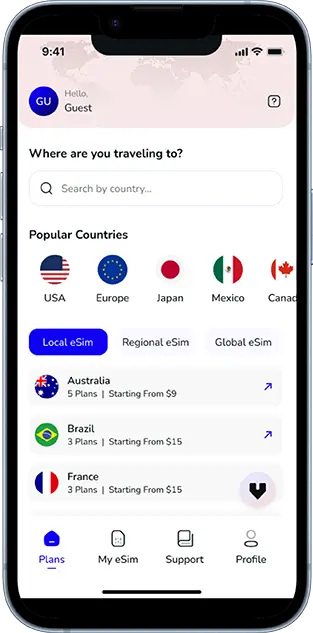
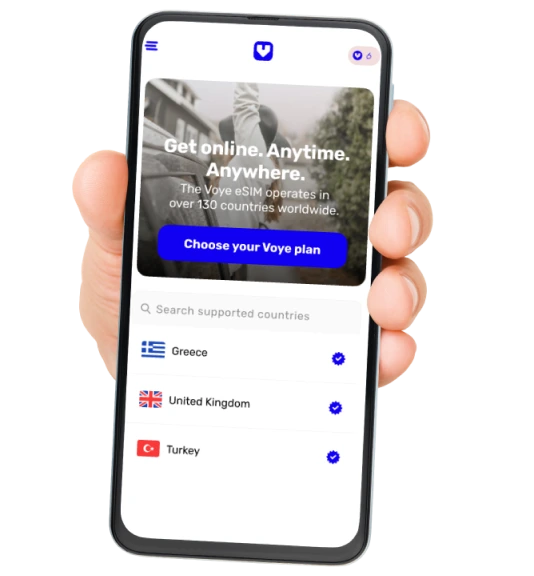
- Connectivity: Staying connected makes navigation effortless. Portable Wi-Fi and local Japanese SIM cards work well, and a Voye Global eSIM for Japan offers fast activation and strong coverage without needing a physical SIM. Free Wi-Fi is available in many places, but it’s not dependable enough for all-day exploring.
Final Thoughts
A solo trip to Tokyo in 2026 offers the ideal balance of structure and freedom. With safe streets, world-class transportation, welcoming neighborhoods, and endless cultural experiences, Tokyo is one of the easiest and most rewarding cities in the world for solo travelers to explore.
For Korean travelers looking to extend their adventure beyond Tokyo, this helpful 7-day Japan itinerary provides practical route ideas and cultural highlights. It’s easy to adapt and customize, whether you prefer a fast-paced journey or a relaxed, flexible schedule.
Whether your interests revolve around temples, food, photography, technology, shopping, or quiet neighborhood strolls, Tokyo adjusts beautifully to your travel style. Plan your essentials, book key experiences early, and leave space for spontaneous moments – because some of Tokyo’s most memorable experiences are the surprises you discover along the way.

Seamless Mobile Data Everywhere
Voye Global — Your Trusted eSIM Partner for Secure & Reliable Travel.



 English