













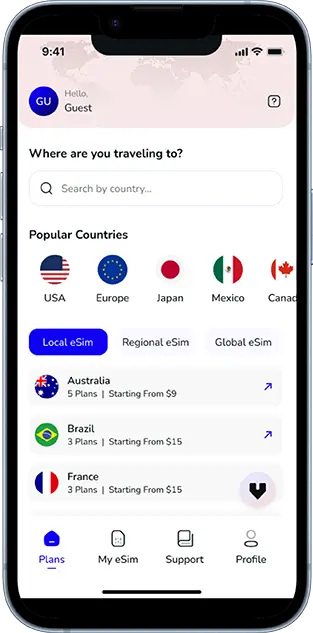
Note that iPhone devices from Mainland China aren’t eSIM compatible. Also iPhone devices from Hong Kong and Macao aren’t compatible (except for iPhone 13 Mini, iPhone 12 Mini, iPhone SE 2020 and iPhone XS)
India is not a destination you visit quickly. It is a country you learn gradually. Within a few hours of travel, language, food, architecture, and climate can completely change. A mountain town feels nothing like a desert fort, and a coastal village feels different from a historic capital city. Because of this variety, planning matters more here than in most countries.
Traveling through India is not one single experience. It feels like visiting many countries inside one border. Climate, food, language, and architecture can change within a few hours of travel. For first-time visitors, this can feel confusing at first, but with a clear route and realistic expectations, the journey becomes deeply rewarding.
Traveling through India is not one single experience. It feels like visiting many countries inside one border. Climate, food, language, and architecture can change within a few hours of travel. For first time visitors this can feel confusing at first, but with a clear route and realistic expectations, the journey becomes deeply rewarding.
Understanding India Before You Travel
Climate
India does not have one single weather pattern.
- North India: hot summers, cool winters.
- Desert areas: dry and warm.
- Mountains: cool year round.
- South India: tropical and humid.
So packing must be layered rather than seasonal.
Transport
You will mostly use:
- Flights between regions.
- Trains between cities.
- App taxis within cities.
Distances are large. Overplanning leads to exhaustion, so fewer destinations with longer stays works better.
Culture
You will notice:
- Active street markets.
- Shoes removed before entering temples.
- Modest clothing in religious places.
- Late dinners in many cities.
How Many Days Do You Actually Need in India?
The most common mistake travelers make is trying to see the entire country in one visit. India is large and distances between regions are significant. A comfortable trip depends more on pacing than the number of places.
If you have 7 days
Focus only on North India. Visit Delhi, Agra, and Jaipur. This route introduces monuments, markets, and culture without constant travel.
If you have 10 days
Add one different environment such as Rishikesh or Udaipur. This gives a break from cities and shows a calmer side of the country.
If you have 14 days or more
You can include a southern region like Kerala or Goa. This creates a balanced trip with history, nature, and coastline.
Fewer cities with longer stays will always feel better than many quick stops.
Stay Connected While Traveling
Check train platforms, contact drivers, and confirm hotels on time.
India’s Top 10 Destinations for a First Visit
For a first-time visitor in 2026, India offers a diverse mix of iconic heritage, scenic landscapes, and cultural experiences. From historic forts and vibrant markets to hill towns and coastal retreats, each stop introduces a different rhythm of daily life. With a clear route and simple planning, travelers can move comfortably between cities while enjoying local food, traditions, and memorable sights along the way.

1. Delhi: Where India Introduces Itself First
Delhi is usually the first stop because most international flights land here, but it is more than an arrival point. The city teaches you how India works. Streets are busy, markets are loud, and monuments appear unexpectedly between modern buildings. After a day or two, travelers start recognizing patterns such as morning temple visits, afternoon shopping streets, and late evening meals.
What should you actually do?
Start in Old Delhi early in the morning. Visit Jama Masjid when it opens, then walk into Chandni Chowk market. Instead of rushing, try a food walk and watch how daily life functions around you. Later, move to New Delhi where roads are wider and quieter. Visit Humayun’s Tomb and Lodhi Garden for a slower atmosphere.
Ideal stay
2 to 3 days. More than that can feel overwhelming for a first timer.
What to eat?
Try a structured approach:
- Breakfast: stuffed paratha with yogurt
- Lunch: butter chicken or paneer curry
- Evening: street snacks like chaat
Souvenirs worth buying
Delhi is actually one of the best shopping cities in India:
- hand printed scarves
- leather journals
- spices
- silver jewelry
What to wear?
Light cotton clothing and comfortable sneakers. Cover shoulders and knees at religious sites.
2. Agra: The Morning You Finally See the Taj Mahal
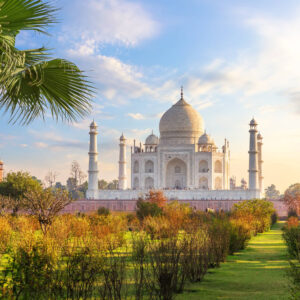
Agra is not meant to be rushed. The Taj Mahal changes appearance depending on light, which is why travelers wake before sunrise. Early morning visits are quieter and cooler.
What to do?
Enter the Taj Mahal gates at sunrise. Spend time walking around the complex instead of taking photos quickly. Later, visit Agra Fort which explains the story behind the monument. In the evening, go to Mehtab Bagh across the river for sunset views.
Ideal stay
1 night is enough.
What to eat?
Agra has Mughal style cuisine:
- tandoori bread
- creamy curries
- local sweet called petha
Souvenirs worth buying
- marble inlay tables
- decorative boxes
- miniature Taj replicas
What to wear?
Hat, sunglasses, and water bottle. Marble courtyards reflect heat strongly.
3. Jaipur: Palaces, Forts and the Color Pink Everywhere
Jaipur feels like stepping into a historic kingdom. Buildings are painted in warm shades and markets are organized by craft.
What to do?
Start at Amber Fort early morning to avoid crowds. Explore City Palace museums afterward. In the afternoon visit Hawa Mahal and then spend evening inside local bazaars.
Ideal stay
2 days
Food to try
- dal baati churma
- sweet lassi drink
- spicy curries
Souvenirs worth buying
Jaipur is one of the best souvenir cities:
- gemstone jewelry
- block print fabrics
- blue pottery
What to wear?
Breathable clothes and closed walking shoes. Fort areas involve steps and slopes.

4. Rishikesh: The Pause After the Cities
After crowded cities, Rishikesh feels quiet. The town sits beside the Ganges River with mountains nearby.
What to do?
Morning riverside walks, café breakfasts, suspension bridge crossings, and evening river ceremony. Many visitors also try a yoga session.
Ideal stay
2–3 days
Food
Mostly vegetarian:
- thali meals
- fresh juices
- bakery cafés
Souvenirs worth buying
- incense
- meditation beads
- handmade notebooks
Clothing
Loose modest clothing and sandals.
5. Udaipur: Evenings Around the Lake
Udaipur is slower than Jaipur and often becomes a favorite stop. The city surrounds Lake Pichola and daily life centers around water.
What to do?
Take a morning walking tour, visit City Palace museum, and in the evening take a boat ride at sunset.
Ideal stay
2 days
Food
- Rajasthani thali
- kachori snacks
- rooftop café dinners
Souvenirs worth buying
- miniature paintings
- handcrafted journals

6. Goa: When the Trip Finally Slows Down
After history and monuments, Goa provides rest. Days here are simple: beach walks, cafés, and sunsets.
What to do?
Split time between beaches and Old Goa churches. Visit a night market once.
Ideal stay
3–4 days
Food
- seafood curry
- prawn dishes
- coconut desserts
Souvenirs worth buying
- beachwear
- spices
- cashew sweets
Clothing
Beach clothes, sandals, sun protection.
7. Hampi: Ruins Spread Across a Landscape
Hampi feels completely different from the rest of India. Temples and ruins are scattered among giant rock formations.
What to do?
Rent a bicycle or scooter. Visit sunrise viewpoints and explore temple complexes slowly.
Ideal stay
2 days
Food
- dosa
- fresh fruit
- banana pancakes
Souvenirs worth buying
- handmade bags
- stone carvings
8. Munnar: Tea Hills and Cooler Air
Munnar provides relief from heat. Rolling tea plantations and misty hills create a calm environment.
What to do?
Visit tea gardens, viewpoints, and waterfalls. Even the road journeys here are scenic.
Ideal stay
2–3 days
Souvenirs worth buying
- tea leaves
- spice packets
Clothing
Carry a light jacket.
9. Kochi: A Port City With Stories
Kochi has influences from many cultures because traders arrived here for centuries.
What to do?
Walk Fort Kochi streets, watch traditional dance performance, and see the fishing nets at sunset.
Food
- fish curry
- appam bread
Souvenirs worth buying
- spices
- wooden carvings

10. Darjeeling: The Mountains at the End
Darjeeling changes the atmosphere completely. Cool air, mountain views, and tea estates end the journey peacefully.
What to do?
Wake early for sunrise mountain view, ride the toy train, and visit tea gardens.
Ideal stay
2–3 days
Food
- momos
- noodle soup
Souvenirs worth buying
- Darjeeling tea
- wool shawls
Travel Tip: India is exciting, but it can also feel fast-paced on the first day. Airports are crowded, taxi drivers often ask for directions, and many hotel addresses are easier to find on a map than by description. It helps to keep your first day simple and prepared.
Many travelers use an eSIM for India so they can open maps, contact drivers, and confirm bookings immediately after landing instead of searching for connectivity at the airport. Even basic things like checking a train platform or locating your hotel become much easier when your phone works right away.
A small preparation at the start often makes the rest of the journey far smoother.
A Simple India Travel Itinerary You Can Follow
Here is a realistic first trip route:
Day 1–2: Delhi
Explore monuments and markets.
Day 3: Agra
Sunrise Taj Mahal visit and Agra Fort.
Day 4–5: Jaipur
Forts, palaces, and bazaars.
Day 6–7: Udaipur
Relaxed lake city.
Day 8–10: Goa
Beaches and slower pace.
Day 11–14: Kochi and Munnar
Backwaters, tea hills, and cultural towns.
This route reduces backtracking and keeps travel time manageable.
Check out our plans
-
India 10 Days Unlimited Data
USD 17.00 -
India 15 Days Unlimited
USD 23.00 -
India 15 Days 8GB
USD 15.00 -
India 3 Days Unlimited
USD 6.00 -
India 7 Days Unlimited Data
USD 13.00 -
India 30 Days 15GB
USD 23.50
Best Time to Visit Different Parts of India
India’s seasons change by region.
North India (Delhi, Agra, Jaipur): October to March
Comfortable weather for sightseeing.
Hill stations (Rishikesh, Darjeeling): March to June and September to November
Cooler temperatures and clear views.
South India (Kerala, Kochi, Munnar): November to February
Pleasant and less humid.
Desert areas (Rajasthan): November to February
Avoid peak summer heat.
Avoid May and June in plains if you are not used to very high temperatures.
One Setup For Journey
Prepare before departure and keep your phone ready throughout travel.
What to Pack for India?
Packing correctly makes the trip easier than any other preparation.
Documents
- Passport copies.
- Travel insurance.
- Hotel confirmations.
Clothing
- Light cotton clothes.
- Long pants or skirts.
- Light scarf or shawl.
- Comfortable walking shoes.
Essentials
- Universal adapter.
- Sunscreen.
- Reusable water bottle.
- Hand sanitizer.
- Basic medicine kit.
Layers are important because mornings and evenings can feel different even on the same day.

What to Eat in India as a Traveler?
Food is a major part of the experience, but approach it gradually.
Start with:
- cooked meals.
- busy restaurants.
- freshly prepared dishes.
Good beginner dishes:
- butter chicken or paneer curry.
- dosa with chutney.
- vegetable thali meals.
- rice based dishes.
Avoid:
- cut fruit from street carts.
- untreated tap water.
Drink bottled or filtered water and you will stay comfortable during your trip.
Cultural Etiquette to Know Before You Go
A few small habits help you blend in easily.
- Remove shoes before entering temples or homes.
- Dress modestly at religious sites.
- Ask before photographing people.
- Bargaining is normal in local markets, but if done politely.
Respectful behavior is always appreciated and often leads to friendly interactions.
How to Travel Between Cities?
You will use three main transport types.
Flights
Best for long distances such as Delhi to Kerala.
Trains
Comfortable for medium distances like Delhi to Jaipur.
Ride apps and taxis
Used inside cities for daily movement.
Travel early in the day when possible. Evening traffic can be slow in large cities.
Your Journey, Our eSIM
Stay online abroad with instant activation.
How to Travel Between Cities?
You will use three main transport types.
Flights
Best for long distances such as Delhi to Kerala.
Trains
Comfortable for medium distances like Delhi to Jaipur.
Ride apps and taxis
Used inside cities for daily movement.
Travel early in the day when possible. Evening traffic can be slow in large cities.
Staying Connected During Your Trip
You will rely heavily on your phone for directions, bookings, train platforms, and hotel locations. Many addresses are easier to locate on maps than by written directions. Keeping access to navigation throughout the trip saves time and confusion, especially when moving between cities and stations.
Check out our plans
-
India 15 Days Unlimited
USD 23.00 -
India 30 Days Unlimited
USD 39.00 -
India 20 Days Unlimited Data
USD 29.00 -
India 7 Days 5GB
USD 9.00
Your Phone Needs a Visa Too
The moment you land in India, small tasks begin immediately. You confirm a driver, check your hotel location, open train tickets, and message tour operators. Without working data, even simple directions can take time to figure out, especially in large stations or crowded streets.
To make arrival easier, many travelers now prepare connectivity before departure. Voye Global offers international travel eSIM plans that allow your phone to connect as soon as you reach your destination, so maps, bookings, and communication work right away.
Why Travelers Choose Voye Global?
Instead of searching for a local SIM store after a long flight or depending on public networks, your phone stays ready from the first hour of the trip. An eSIM from Voye Global makes your trip hassle-free and full of adventures.
What it helps you do?
- Navigate from the airport to your hotel.
- Access train and flight confirmations.
- Use ride and transport apps.
- Contact hosts and guides.
- Check schedules while moving between cities.
Benefits of Voye Global
- Coverage in 160+ countries.
- Activation before travel.
- No physical SIM card replacement.
- Avoid international roaming charges.
- Useful across multi city travel.
With a prepared connection, you start your journey calmly and spend more time experiencing the destination rather than arranging basic logistics.
Before You Leave
Plan your arrival day lightly, drink plenty of water, and allow yourself time to adjust. India feels intense at first, but after a few days the routines become familiar. Once you understand the rhythm, travel becomes comfortable and far more enjoyable.

Seamless Mobile Data Everywhere
Voye Global — Your Trusted eSIM Partner for Secure & Reliable Travel.




 English