












Note that iPhone devices from Mainland China aren’t eSIM compatible. Also iPhone devices from Hong Kong and Macao aren’t compatible (except for iPhone 13 Mini, iPhone 12 Mini, iPhone SE 2020 and iPhone XS)
Sri Lanka is a destination that offers remarkable diversity within a compact island. From tropical beaches and misty highlands to ancient cities and wildlife-rich national parks, it delivers a complete travel experience without long distances. The country’s layered history, warm hospitality, and vibrant food culture make it equally appealing to first-time visitors and seasoned travelers.
Planning a trip to Sri Lanka involves more than choosing destinations. Knowing where to stay, what to eat, how to get around, and how to structure your itinerary can significantly shape your experience. This guide provides a comprehensive overview of accommodation options, food recommendations, cafes, shopping, activities, and a practical itinerary to help you explore Sri Lanka with confidence.
Reliable connectivity also plays an important role when traveling across regions. Using Voye Global eSIM allows you to stay connected throughout your journey without the need for local SIM cards, making navigation, bookings, and communication seamless.
Where to Stay in Sri Lanka?
Sri Lanka offers a wide range of accommodations suited to every budget and travel style. Whether you prefer social hostels, boutique hotels, or private villas, each category provides a distinct experience.
Hostels
Hostels in Sri Lanka are well-developed and particularly popular among solo travelers and backpackers. Many are located in key tourist areas such as Colombo, Ella, and Mirissa. These hostels often combine affordability with a social atmosphere, offering shared dormitories, private rooms, and communal spaces.
In Ella, hostels are typically set against scenic mountain backdrops, making them ideal for nature lovers. In coastal towns like Mirissa, beachfront hostels provide easy access to the ocean and a lively social scene. Colombo’s hostels are more urban, offering convenience for short stays and easy access to transport.
Hostels are also useful for meeting other travelers, sharing experiences, and even organizing group excursions.
Stay Connected in Sri Lanka with Voye Global eSIM
Instant, reliable mobile data across Sri Lanka—no physical SIM, no roaming hassle.
Hotels
Sri Lanka is known for its strong portfolio of mid-range and luxury hotels. Many properties are designed to reflect the natural surroundings, blending architecture with landscapes such as jungles, lakes, and coastlines.
In Colombo, heritage hotels along the coastline provide a mix of colonial charm and modern comfort. In the Cultural Triangle, eco-luxury hotels offer immersive stays surrounded by nature. Kandy and Ella feature hillside hotels with panoramic views, while the southern coast is home to boutique beachfront resorts.
Sri Lankan hospitality is a defining feature of these hotels, with attentive service and a focus on local experiences.
Airbnbs and Villas

Private stays are increasingly popular, especially for couples, families, and long-term travelers. Airbnbs and villas can be found across the island, often offering unique architectural styles and personalized experiences.
In Galle Fort, restored colonial homes provide a blend of history and comfort. Along the southern coast, villas offer ocean views and private pools. In the hill country, cabins and eco-lodges provide quiet retreats surrounded by tea plantations and forests.
These accommodations are particularly suitable for travelers seeking privacy and flexibility.
Food in Sri Lanka
Sri Lankan cuisine is one of the highlights of visiting the island. It is rich in flavor, heavily influenced by spices, coconut, and regional traditions. Meals are often communal and generous, reflecting the country’s culture of hospitality.
Must-Try Dishes
Rice and curry is the staple meal, typically served with multiple vegetable and meat dishes. Kottu roti, a popular street food, combines chopped flatbread with vegetables, eggs, and meat, cooked on a hot griddle. Hoppers, bowl-shaped pancakes made from fermented rice flour, are commonly eaten for breakfast or dinner.
String hoppers, coconut sambol, dhal curry, and various chutneys add depth to everyday meals.
Non-Vegetarian Options

Sri Lanka offers excellent non-vegetarian cuisine, particularly seafood. Coastal regions serve freshly caught fish, prawns, crab, and lobster prepared with local spices.
Colombo is home to some of the country’s best seafood restaurants, where you can select your catch and have it cooked to your preference. Along the southern coast, beachside restaurants serve grilled seafood and traditional curries.
Chicken, mutton, and pork dishes are also widely available, often prepared with rich spice blends that create bold and memorable flavors.
Non-Vegetarian Options
Sri Lanka offers excellent non-vegetarian cuisine, particularly seafood. Coastal regions serve freshly caught fish, prawns, crab, and lobster prepared with local spices.
- Colombo is home to some of the country’s best seafood restaurants, where you can select your catch and have it cooked to your preference.
- Along the southern coast, beachside restaurants serve grilled seafood and traditional curries.
- Chicken, mutton, and pork dishes are also widely available, often prepared with rich spice blends that create bold and memorable flavors.
Shopping in Sri Lanka
Shopping in Sri Lanka offers a mix of modern retail and traditional craftsmanship. Each region has its own specialties, making shopping an integral part of the travel experience.

In Colombo, shopping precincts combine dining, retail, and entertainment. Local boutiques offer clothing, jewelry, and home decor inspired by Sri Lankan design.
Galle Fort is known for its curated shops selling handmade items, art, and souvenirs. Markets across the country offer spices, tea, and handcrafted goods.
Popular items to purchase include Ceylon tea, batik textiles, wooden masks, and gemstones. These products reflect the country’s cultural heritage and make meaningful souvenirs.
Check out our plans
-
Sri Lanka 10 Days Unlimited
USD 17.00 -
Sri Lanka 15 Days 8GB
USD 17.00 -
Sri Lanka 20 Days Unlimited
USD 29.00 -
Sri Lanka 15 Days Unlimited
USD 23.00
Top Things to Do in Sri Lanka
Sri Lanka offers a wide range of experiences that cater to different interests, from history and nature to adventure and relaxation.
Cultural and Historical Sites
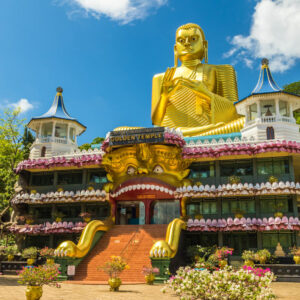
The Cultural Triangle includes ancient cities and landmarks such as Sigiriya Rock Fortress and Dambulla Cave Temple. These sites provide insight into Sri Lanka’s ancient civilizations and architectural achievements.
Kandy, home to the Temple of the Tooth, remains a significant cultural and spiritual center.
Nature and Scenic Experiences
The train journey from Kandy to Ella is considered one of the most scenic in the world, passing through tea plantations, forests, and mountain landscapes.
Ella itself offers hiking opportunities, including trails to viewpoints and waterfalls.
National parks such as Yala and Udawalawe provide opportunities to see elephants, leopards, and a variety of bird species.
Beaches and Coastal Experiences

The southern coast is known for its beaches, including Mirissa, Unawatuna, and Weligama. These areas are ideal for relaxation, surfing, and whale watching.
The east coast, including Arugam Bay and Trincomalee, offers calmer waters and fewer crowds during certain seasons.
Suggested 10-Day Sri Lanka Itinerary
Day 1–2: Colombo
Begin your journey in Colombo, exploring markets, temples, and coastal areas. Use this time to adjust and experience urban Sri Lanka.
Day 3–4: Sigiriya and Dambulla
Travel to the Cultural Triangle. Climb Sigiriya Rock Fortress and visit the cave temples of Dambulla.
Day 5–6: Kandy
Head to Kandy for cultural experiences, including temple visits and traditional performances.
Day 7–8: Ella
Take the scenic train to Ella. Explore tea plantations, waterfalls, and viewpoints.
Day 9–10: South Coast
End your trip on the southern coast. Relax on beaches, explore Galle Fort, and enjoy fresh seafood.
Seamless Connectivity for Your Sri Lanka Journey
Stay online everywhere in Sri Lanka with fast, reliable data—no SIM swaps required.
Getting Around Sri Lanka
Transportation options in Sri Lanka are varied and accessible. Trains are ideal for scenic routes, while tuk-tuks are convenient for short distances. Private drivers offer flexibility for longer journeys and are a popular choice among travelers.
Ride-hailing apps are available in major cities, making urban travel more convenient.
The Importance of Staying Connected
Traveling across Sri Lanka often involves moving between regions with different conditions, schedules, and levels of infrastructure. Having reliable connectivity allows you to adapt quickly and make informed decisions.
With Voye Global eSIM, you can:
- Navigate routes across cities and rural areas
- Book accommodations and transportation in real time
- Access maps, translation tools, and local recommendations
- Stay connected without the inconvenience of physical SIM cards
This becomes especially useful when exploring remote areas such as Ella or national parks, where access to Wi-Fi may be limited.
Conclusion

Sri Lanka offers an exceptional travel experience that combines culture, nature, food, and hospitality in a way few destinations can match. Its compact size allows travelers to experience a wide range of landscapes and activities within a single trip.
From choosing the right accommodation to exploring local cuisine, discovering hidden cafes, and planning a well-balanced itinerary, every aspect of your journey contributes to a deeper understanding of the island.
With thoughtful planning and reliable connectivity through Voye Global’s Sri Lanka eSIM, your trip to Sri Lanka can be both seamless and deeply rewarding.

Seamless Mobile Data Everywhere
Voye Global — Your Trusted eSIM Partner for Secure & Reliable Travel.




 English