














Note that iPhone devices from Mainland China aren’t eSIM compatible. Also iPhone devices from Hong Kong and Macao aren’t compatible (except for iPhone 13 Mini, iPhone 12 Mini, iPhone SE 2020 and iPhone XS)
Traveling to Southeast Asia from the United States in 2026 is an exercise in balancing “high-tech” logistics with “old-world” adventure. While the region remains one of the most affordable and culturally rich destinations on Earth, the 2026 travel landscape is defined by new digital requirements and a shift toward biometric entry.
This guide provides a 1,200-word blueprint to help first-time American travelers navigate the 20-hour journey and thrive in the vibrant heat of the East.
Navigating the 2026 “Long Haul”
The flight from North America to Southeast Asia remains one of the longest in commercial aviation. In 2026, increased transpacific capacity from hubs like San Francisco (SFO), Los Angeles (LAX), and Seattle (SEA) has made reaching the region slightly easier, but you should still expect travel times between 18 and 26 hours.
- The Route: Most US travelers connect in Taipei, Seoul, Tokyo, or Doha. If you are flying from the East Coast, connecting through the Middle East (Qatar or Emirates) is often faster than flying over the Pacific.
- The Jet Lag Wall: Southeast Asia is roughly 12 to 15 hours ahead of the US. In 2026, savvy travelers are using “circadian light” apps to begin adjusting their sleep cycles three days before departure.
- Pro Tip: Do not plan any major tours for your first 48 hours. Use this time to hydrate, adjust to the 90°F humidity, and let your internal clock reset.
Instant Asia Connectivity
Stay connected across borders with fast, reliable eSIM data.
Choosing Your Entry Point: The 2026 Gateway Countries
For a first-time visit, selecting the right entry country can shape your entire experience. Some destinations offer a softer landing thanks to infrastructure, language accessibility, and efficient border procedures.
Thailand: The 2026 Tech Leader
Thailand has emerged as one of the most technologically advanced entry points in the region. Beyond the sixty-day visa exemption for US passport holders, travelers must now complete an Electronic Travel Authorization through the official e visa portal. In addition, the Thailand Digital Arrival Card must be submitted within seventy two hours of departure.
Travelers unfamiliar with the country’s customs, geography, and daily norms can benefit from learning key facts about Thailand before arrival, helping them better understand everything from social etiquette to regional travel differences.
Once completed, travelers receive a QR code that enables access to automated biometric gates at major airports like Bangkok Suvarnabhumi. Immigration processing time has dropped from nearly an hour to a matter of seconds.
Vietnam: The Cultural Powerhouse
Vietnam continues to surge in popularity in 2026, particularly destinations like Hoi An and lesser-known coastal cities such as Quy Nhon. Vietnam is especially appealing to independent travelers, and exploring Vietnamese cities for solo travelers offers a rewarding mix of safety, affordability, and some of the most celebrated food cultures in Southeast Asia.
US citizens must apply for a ninety day multi entry e visa before travel. This requirement is strictly enforced, and airlines will deny boarding without confirmation. The process is straightforward but should be completed at least one week before departure.
Singapore: The Future Proof Start
Singapore remains the easiest transition point for Americans new to Asia. English is widely spoken, the infrastructure is flawless, and cultural norms feel familiar while still offering an introduction to Southeast Asian life.
Singapore also serves as a major regional aviation hub, making onward travel simple and efficient.
Check out our plans
-

Asia 3 Days Unlimited
USD 9.00 -
Asia 7 days 3GB
USD 9.00 -
Asia 10 Days Unlimited
USD 19.00 -
Asia 15 days 5GB
USD 15.00 -
Asia 30 Days Unlimited
USD 43.00 -
Asia 60 days 20GB
USD 35.00
The 2026 Digital Toolkit: Mandatory Apps
The “paper-and-pen” era of Southeast Asian travel is officially dead. In 2026, your smartphone must be pre-loaded with these essential tools:
- Grab: The “Super-App.” Since Uber sold its regional operations, Grab is the only way to book rides and order food. Critical: Link your US credit card before leaving the US to avoid SMS verification issues abroad.
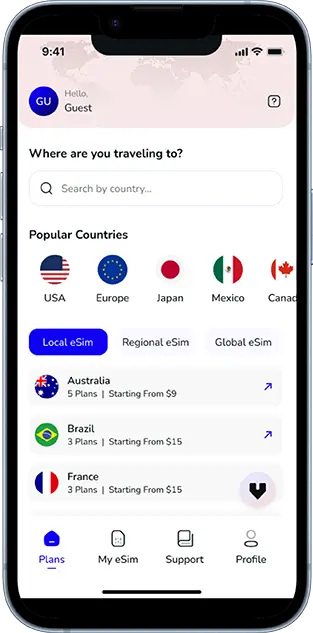
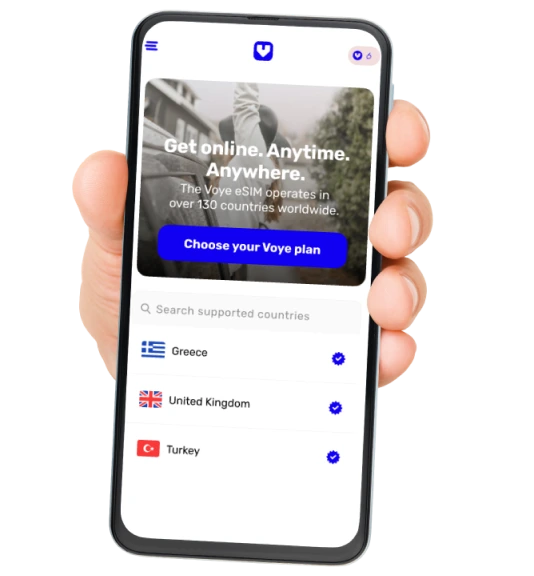
- Voye Global: Physical SIM cards are becoming obsolete. Download a regional eSIM Asia to get data the moment your plane touches the tarmac.
- WhatsApp: This is the primary communication method for every hotel, tour guide, and dive shop in the region.
- Google Lens: Essential for translating menus in real-time using your camera.
New Entry Requirements: The “Digital Gate”
New Entry Requirements: The “Digital Gate”. By 2026, the “Digital Gate” will be fully operational. Airlines are now legally required to verify these digital approvals before allowing you to board your flight from the US.
| Country | Mandatory 2026 Requirement |
| Thailand | ETA + TDAC: Complete your Electronic Travel Authorization first, then file your Digital Arrival Card (TDAC) via the official e-Visa portal. |
| Singapore | SGAC (NBD Rule): As of Jan 30, 2026, Singapore’s “No-Boarding Directive” means airlines cannot issue a boarding pass until your SG Arrival Card is confirmed. |
| Malaysia | MDAC: The Malaysia Digital Arrival Card must be submitted online. Biometric registration is now standard at the “Autogates” for US citizens. |
| Indonesia | All Indonesia App + Bali Levy: Use the integrated app for customs and health. If landing in Bali, you must also show your $10 Love Bali levy voucher. |
Warning: Airlines are increasingly strict about Proof of Onward Travel. If you have a one-way ticket, you may be denied boarding unless you can show a confirmed flight out of the country.
Money and the “ATM Trap”
While the region is digitalizing, cash is still the primary currency in local markets and rural areas.
- The ATM Fee: In 2026, Thai ATMs charge a standard fee of 220 THB (~$6.50) per withdrawal.
- The Schwab Strategy: Most experienced US travelers use a Charles Schwab Checking Account, which rebates all global ATM fees. Over a three-week trip, this can save you $50–$100.
- USD Backup: Carry $200 in crisp, untorn, post-2013 US $20 bills. In Cambodia and Laos, damaged bills are often rejected by local banks.
- General Tip: When using an ATM abroad, always decline the option to be charged in your home currency (Dynamic Currency Conversion or DCC). Choosing to be charged in the local currency (THB) ensures your bank (like Schwab) uses a better exchange rate, not the local ATM operator’s marked-up rate.
Health and Safety: Staying “Asia-Fit”
The 2026 health landscape requires a few proactive steps:
- Mosquito Defense: 2025 saw a rise in Dengue and Chikungunya. While vaccines exist for some, the best defense is DEET. Wear long sleeves in the evening, especially in jungle areas or near stagnant water.
- The Water Rule: Tap water is never safe to drink. In 2026, most hotels provide glass-bottled water or filtered “hydration stations” to reduce plastic waste. Use this for everything – including brushing your teeth if you have a sensitive stomach.
- Street Food Safety: Don’t be afraid! Look for “High Turnover” stalls – where the food is being cooked fresh in front of you, and the line of locals is long. Avoid “buffet-style” street food that has been sitting in the sun.
Cultural Etiquette: Respecting the “Head and Feet”

Americans are often perceived as loud and informal. To be a “good guest” in 2026, follow these traditional rules:
- The Sacred Head: Never touch anyone on the head (even a friendly pat for a child). The head is considered the most sacred part of the body.
- The Dirty Feet: Never point your feet at a person or a Buddha statue. When entering a home or temple, remove your shoes.
- The “Smile” Strategy: If something goes wrong (a late bus or a wrong order), do not shout. In Southeast Asian culture, “Losing Face” (getting angry in public) is considered shameful and will make the local person stop helping you. A calm smile solves 90% of problems.
- Modesty: In 2026, temple security is stricter than ever. Your shoulders and knees must be covered. Carrying a lightweight sarong in your daypack is a pro move.
Transportation: Tuk-Tuks to Sleeper Trains
Moving between cities is an adventure in itself.
- Sleeper Trains: The #9 train from Bangkok to Chiang Mai is a bucket-list experience. Book the “Lower Berth” for a wider bed and a window view.
- Scooter Warning: It is tempting to rent a scooter for $5/day. However, unless you have a motorcycle endorsement on your US license and an International Driving Permit (IDP), your travel insurance will not cover you in an accident.
- Domestic Flights: Airlines like AirAsia and VietJet are incredibly cheap but have a strict 7kg (15lb) carry-on limit. They will weigh your bag at the gate in 2026.
Travel Smarter in Asia
Avoid SIM hassles and connect the moment you land.
Weather: Avoiding the “Burning Season”
Southeast Asia is tropical, but the seasons vary wildly.
- The Dry Season (Nov-Feb): The best weather, but also the most crowded and expensive.
- The Burning Season (Feb-April): In Northern Thailand and Laos, air quality can become hazardous due to agricultural burning. If you have respiratory issues, avoid Chiang Mai during these months.
- The Monsoon (June-Oct): It doesn’t rain all day; usually, it’s one massive 2-hour downpour. This is the “secret season” for 2026 – luxury hotels are often 50% cheaper.
Final Thoughts: The Mindset of the 2026 Traveler
Southeast Asia rewards the patient and the curious. In 2026, the region is more connected than ever, but its heart remains in the small moments: the smell of lemongrass in a night market, the sunrise over Angkor Wat, and the genuine kindness of the local people.
Pack light, file your digital arrival cards early, and prepare for a journey that will likely change how you see the world.

Seamless Mobile Data Everywhere
Voye Global — Your Trusted eSIM Partner for Secure & Reliable Travel.



 English