














Note that iPhone devices from Mainland China aren’t eSIM compatible. Also iPhone devices from Hong Kong and Macao aren’t compatible (except for iPhone 13 Mini, iPhone 12 Mini, iPhone SE 2020 and iPhone XS)
What Is Overstaying on a Tourist Visa
Overstaying occurs when a foreign national remains in a country beyond the authorized period granted on their tourist visa or entry stamp. The allowed stay may be defined by:
- The visa validity dates printed on the visa
- The number of days granted at the port of entry
- A specific departure date mentioned on an entry permit or immigration record
Once this period expires, any additional stay is considered unlawful unless an extension or change of status has been officially approved by the immigration authorities.
Difference Between Visa Validity and Authorized Stay
Many travelers confuse visa validity with authorized stay. A tourist visa validity period indicates the time during which you may enter the country. The authorized stay is the number of days you are permitted to remain after entry.
For example:
- A visa may be valid for 10 years
- Each entry may allow only 90 days of stay
Staying beyond those 90 days counts as overstaying, even if the visa itself is still valid.
Common Reasons People Overstay Tourist Visas
Understanding why people overstay helps highlight how easily it can happen.
- Misunderstanding Immigration Rules
Many travelers assume that the visa expiry date equals the last day they can stay. This misunderstanding leads to accidental overstays.
- Medical Emergencies
Unexpected illness, hospitalization, or medical complications may prevent timely departure.
- Flight Cancellations or Travel Disruptions
Natural disasters, airline strikes, or global events can interrupt travel plans and cause unintended overstays.
- Personal or Family Emergencies
Family crises or urgent matters sometimes lead travelers to delay departure without realizing the immigration consequences.
- Intentionally Staying Longer
Some travelers knowingly overstay to spend more time with family, explore job opportunities, or wait for another visa option, often underestimating the risks.
Legal Status After Overstaying a Tourist Visa
Once a tourist visa expires and no extension is granted, the traveler becomes unlawfully present in the country. This status can trigger immediate or future penalties depending on local immigration laws.
Key consequences of unlawful presence include:
- Loss of legal immigration status
- Ineligibility for extensions or status changes
- Exposure to detention or removal
- Accumulation of unlawful presence days
The longer the overstay, the more severe the consequences usually become.
Fines for Overstaying a Tourist Visa
Many countries impose monetary penalties for overstaying a tourist visa. These fines vary based on the country, duration of overstay, and individual circumstances.
Typical Overstay Fine Structures
Fines may be calculated as:
- A fixed daily penalty
- A lump sum based on length of overstay
- A combination of fines and administrative fees
Examples of common fine structures include:
- Daily fines ranging from modest to significant amounts
- Higher penalties for overstays exceeding a specific number of days
- Additional processing or exit clearance fees
When Fines Are Paid
Overstay fines are often paid:
- At immigration offices before departure
- At the airport during exit clearance
- As part of a settlement process with immigration authorities
Failure to pay fines may result in detention or refusal to allow departure until payment is made.
Deportation and Removal After Overstaying
In some cases, overstaying leads to deportation or forced removal.
What Deportation Means
Deportation involves formal removal from the country by immigration authorities. It usually includes:
- Official removal orders
- Escort to the airport
- Entry bans after removal
Deportation records are typically stored in immigration databases and can affect future travel worldwide.
Voluntary Departure vs Deportation
Voluntary departure allows a traveler to leave the country on their own within a specified time. This option is often viewed more favorably than deportation and may reduce the severity of future bans.
Immigration Bans Due to Overstaying
One of the most serious consequences of overstaying on a tourist visa is an entry ban.
Short-Term Bans
Minor overstays may result in short-term bans ranging from a few months to a few years. These bans may apply only to the country where the overstay occurred.
Long-Term or Permanent Bans
Extended or repeated overstays can lead to long-term or permanent bans. These bans can make it extremely difficult or impossible to obtain future visas.
Regional Travel Restrictions
Some immigration zones share data among member countries. An overstay in one country may affect entry to multiple countries within the same region.
Impact of Overstaying on Future Visa Applications
Overstaying on a tourist visa almost always affects future visa applications.
Mandatory Disclosure
Most visa applications ask whether the applicant has:
- Overstayed a visa
- Been deported
- Violated immigration laws
Providing false information can result in permanent visa ineligibility.
Increased Scrutiny
Applicants with prior overstays often face:
- Higher rejection rates
- Requests for extensive documentation
- Interviews focused on travel history and intent
Loss of Visa-Free Privileges
Overstaying can result in loss of visa-free or visa-on-arrival privileges, requiring formal visa applications for future travel.
Country-Specific Consequences of Overstaying
Different countries enforce overstay penalties differently.
Overstaying in the United States
Consequences may include:
- Accrual of unlawful presence
- Multi-year re-entry bans
- Visa cancellations
- Difficulty obtaining any future US visa
Overstaying in Europe
Overstaying in European countries can result in:
- Fines
- Entry bans across multiple countries
- Immigration records visible to border authorities throughout the region
Overstaying in Asian and Middle Eastern Countries
Penalties often include:
- Daily fines
- Detention until fines are paid
- Immediate deportation
- Entry bans of varying lengths
Detention Risks After Overstaying
Overstaying increases the risk of detention, especially if discovered during:
- Routine police checks
- Immigration audits
- Border exit procedures
Detention conditions vary widely by country and may involve:
- Holding facilities
- Limited access to legal assistance
- Delays in departure
Can You Extend a Tourist Visa to Avoid Overstaying
In some cases, tourist visas can be extended legally.
Valid Reasons for Extension
Common acceptable reasons include:
- Medical treatment
- Flight cancellations
- Unavoidable emergencies
Extension Process
The extension process typically involves:
- Submitting an application before visa expiry
- Providing supporting documentation
- Paying extension fees
Approval is never guaranteed, and overstaying while waiting for a decision can still cause problems if not properly documented.
Travel Smart. Stay Connected. Avoid Last-Minute Hassles.
Don’t let connectivity issues delay your travel plans or cause unnecessary overstays.
What to Do If You Have Already Overstayed
If you have already overstayed on a tourist visa, taking prompt action can help reduce the damage.
- Contact Immigration Authorities
In some countries, voluntarily reporting an overstay can lead to reduced penalties.
- Pay Fines Promptly
Settling fines and fees may allow smoother departure and reduce future complications.
- Seek Legal Advice
Immigration lawyers can help assess:
- Risk of bans
- Options for voluntary departure
- Strategies for future visa applications
How Overstaying Affects Travel to Other Countries
Immigration systems worldwide increasingly share data. An overstay in one country may:
- Be visible during visa checks elsewhere
- Trigger additional questioning at borders
- Lead to visa refusals in unrelated destinations
Travelers with overstays often face increased scrutiny even when applying for tourist visas in new countries.
Myths About Overstaying on a Tourist Visa
Several myths encourage risky behavior.
- Overstaying by a Few Days Is Harmless
Even short overstays are recorded and can affect future travel.
- Leaving the Country Resets the Overstay
Departure does not erase immigration violations. Records remain in databases.
- Paying a Fine Fixes Everything
Paying a fine does not remove overstay history or guarantee future visa approval.
Long-Term Consequences Beyond Immigration
Overstaying can affect more than just travel plans.
- Employment Issues
Some employers conduct immigration background checks for international roles.
- Education Opportunities
Universities may question past immigration violations when issuing acceptance or visa sponsorship letters.
- Reputation and Stress
Dealing with immigration violations can be stressful, costly, and emotionally draining.
How to Avoid Overstaying a Tourist Visa
Prevention is always better than dealing with consequences.
Track Your Authorized Stay
- Note entry stamps and permitted stay duration
- Set reminders well before expiration
Understand Local Immigration Rules
- Research entry conditions carefully
- Do not rely on assumptions or hearsay
Apply for Extensions Early
- Submit extension requests well in advance
- Keep proof of submission
Leave Before Expiry
- Plan departure with buffer days
- Avoid last-minute travel risks
Final Thoughts on Overstaying on a Tourist Visa
Overstaying on a tourist visa may seem like a minor issue, but it can lead to fines, deportation, travel bans, and long-term immigration problems. Immigration authorities worldwide treat overstays seriously, and even a short violation can follow a traveler for years.
Understanding visa rules, respecting authorized stay limits, and acting quickly if issues arise are essential for protecting your travel freedom. Whether you are a frequent traveler or a first-time tourist, staying compliant with immigration laws ensures smoother journeys and stronger chances of future visa approvals.
Travel responsibly, plan carefully, and always leave before your tourist visa expires.

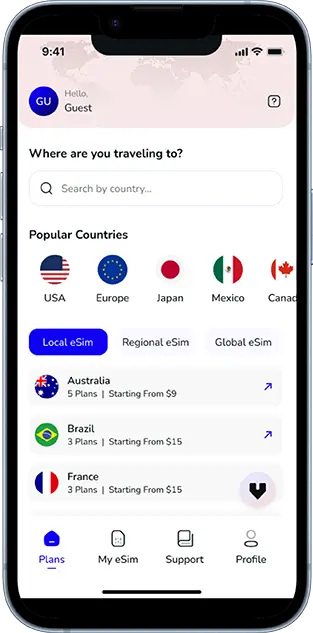
Seamless Mobile Data Everywhere
Voye Global — Your Trusted eSIM Partner for Secure & Reliable Travel.




 English