














Note that iPhone devices from Mainland China aren’t eSIM compatible. Also iPhone devices from Hong Kong and Macao aren’t compatible (except for iPhone 13 Mini, iPhone 12 Mini, iPhone SE 2020 and iPhone XS)
For many travelers in 2026, a visit to Monet’s House and Gardens is less about checking off a landmark and more about timing it right. Located in the small village of Giverny, this site draws visitors from across the world during a limited window each year, making planning just as important as curiosity.
The experience changes dramatically depending on when you visit, how early you arrive, and how prepared you are for crowds, queues, and seasonal conditions.
How Monet Ended Up in Giverny in the First Place?
Monet’s House and Gardens did not begin as a grand plan or a tourist destination. Claude Monet arrived in Giverny in 1883 almost by accident, after spotting the village from a train window. At the time, Giverny was quiet farmland, far removed from the art world of Paris.
Monet first rented the house before eventually purchasing it. What drew him in was not the building itself but the surrounding land. The space gave him freedom to experiment with light, color, and movement in ways that were not possible in crowded urban settings.
Why Monet Built the Gardens Around His Art, Not the Other Way Around?
The gardens were never meant to decorate the house. They were designed as part of Monet’s creative process.
The flower garden as a living palette
Monet treated flowers the way other painters treated paint. He planned colors carefully, rearranged beds often, and replaced plants when the effect no longer matched his vision. The garden changed constantly, sometimes several times within a single season.
The water garden as a controlled landscape
Later, Monet acquired additional land to create the water garden. He diverted a nearby stream, built the pond, and added the Japanese bridge. This space became the inspiration for his most famous water lily paintings. The reflections, shifting light, and surface movement were intentional elements he could observe daily.
Stay Connected in France
Keep navigation and timing tools working smoothly throughout your visit.
What Makes the House Itself More Than Just a Historic Home?
Monet’s house was a working home shaped by daily routines, bold color choices, and creative purpose. Every room reflects how he lived and thought, not how a museum later preserved the space.
Color as a design choice
Bright walls, bold contrasts, and unexpected combinations appear throughout the interior. These choices mirror Monet’s artistic instincts and his comfort with strong visual statements.
A working home, not a preserved museum
Monet lived and worked here for over forty years. The rooms were functional, filled with art, books, and everyday objects. Walking through the house feels less like visiting a monument and more like stepping into a lived-in space shaped by routine.

When Is Monet’s House and Gardens Open in 2026?
The gardens are seasonal, not year-round, which is why dates matter more here than at most attractions.
Official Opening Season
- Open from: 1 April 2026
- Closed after: 31 October 2026
Outside this period, the site remains closed to visitors.
Daily Visiting Hours
- Opening time: 9:30 AM
- Closing time: 6:00 PM
- Last entry: 5:30 PM
Arriving early in the day makes a noticeable difference to the experience.
Why Giverny Becomes One of France’s Busiest Cultural Stops?
Giverny attracts visitors from around the world because it offers a rare chance to step inside the place that directly shaped Monet’s art. The limited visiting season, global interest in Impressionism, and the immersive garden setting combine to make it one of France’s most visited cultural sites.
A place shaped by an artist’s daily life
Claude Monet moved to Giverny in 1883 and spent over forty years there. The house and gardens were not designed as a museum but as a living, evolving space that directly influenced his work.
A garden that inspired an entire movement
The water lily pond, Japanese bridge, and flower beds inspired Monet’s most famous series and continue to shape how people imagine Impressionism today.
How Crowds Change From April to October?
Crowd levels at Monet’s House and Gardens shift steadily throughout the season. Early spring brings lighter foot traffic, summer sees peak visitor numbers, and early autumn offers a calmer pace with fewer tour groups.
April to early May
Spring flowers begin to bloom and crowds are lighter. This is one of the best periods for photography and slower exploration.
Late May to July
This is peak season. School holidays and tour groups arrive in large numbers. Expect queues, tight pathways, and limited quiet moments.
August
Still busy, but slightly calmer than June and July. Heat can be intense by midday.
September to October
Crowds thin out, colors soften, and the gardens feel calmer again. Many travelers consider this the most balanced time to visit.
Skip Connectivity Delays
: Avoid last-minute setup at stations or transit stops.
How Giverny Turned Into One of France’s Most Visited Art Sites?
After Monet’s death in 1926, the property passed through periods of neglect. It was not always open or well maintained. Restoration efforts in the late twentieth century brought the house and gardens back to life, carefully rebuilding them based on photographs, letters, and records.
As interest in Impressionism grew globally, Giverny became a pilgrimage site for art lovers, photographers, and travelers. The limited opening season and the immersive setting only increased its appeal.

Tickets and Entry Planning for 2026
Entry to Monet’s House and Gardens is managed through timed tickets during the open season. Booking in advance helps avoid long queues, especially during peak months, and allows visitors to plan arrival times more comfortably.
Ticket types
- Standard adult tickets
- Reduced tickets for students and children
- Free entry for children under seven
Advance booking matters
Tickets often sell out days ahead during peak months. Buying online before arrival avoids long queues at the entrance.
Entry flow on busy days
Even with a ticket, short waits are common. Early arrivals move through more smoothly.
What You Actually See Inside Monet’s House?
Visitors move through intimate living spaces filled with original furnishings, artwork, and bold color choices. The rooms reflect Monet’s daily life, creative habits, and preference for light rather than a traditional museum layout.
The living spaces
Rooms are preserved with period furniture, artwork, and color choices that reflect Monet’s taste.
The studio
Large windows and open light show how Monet worked with natural brightness throughout the day.
The kitchen
Bright blue tiles and copper cookware make this one of the most photographed rooms.
Why the Gardens Feel Different in Every Season?
The gardens change continuously as flowers bloom, fade, and are replaced throughout the season. Light, color, and plant combinations shift from spring through autumn, making each visit feel visually distinct.
Flower garden
Rows of tulips, roses, and seasonal blooms change weekly, not monthly.
Water garden
The lily pond reaches peak beauty from June through September, depending on weather.
Walking pace matters
The gardens are not large, but paths narrow quickly when crowded. Slow exploration works best early or late in the day.
Your Journey, Our eSIM
Stay online abroad with instant activation.
Why the Visit Feels Different From a Museum Experience?
Unlike galleries, Monet’s House and Gardens are experienced through movement and time.
- Light changes as you walk
- Colors shift depending on the season
- Crowds ebb and flow through narrow paths
There is no single viewpoint or moment. The visit unfolds gradually, much like Monet’s paintings themselves.

Why Understanding the Origin Changes the Way You Visit?
Knowing why Monet chose Giverny and how he shaped the space helps visitors slow down. Instead of rushing through rooms or searching only for famous spots, travelers begin to notice details like plant placement, window angles, and how paths guide the eye.
This context turns the visit from a popular stop into a more thoughtful experience, even during busy seasons.
Practical Travel Tips Tourists Often Miss
Many visitors plan their trip around opening dates and tickets, but the details below often make the biggest difference on the day itself.
Getting there
Most travelers arrive via Paris and travel onward by train or car. Final connections require planning.
What to carry
Comfortable shoes, water, sun protection, and offline directions help.
Staying connected
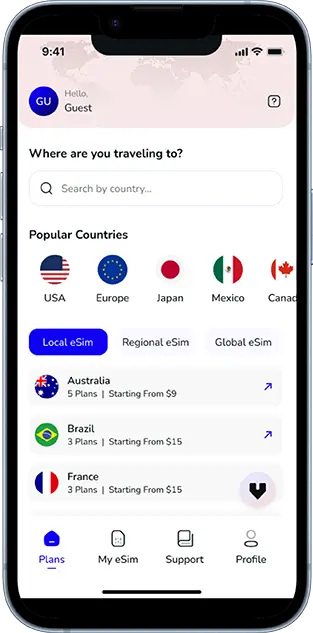
Navigation, train schedules, and ticket confirmations are used constantly. Many travelers rely on eSIM France unlimited data to stay connected throughout the journey without searching for local SIM cards.
The Quiet Part of the Trip That Makes Everything Easier
Most visits to Monet’s House and Gardens are planned around opening dates, crowds, and flowers. What often goes unnoticed is how much of the experience depends on what happens in between. Small moments like checking a train platform, confirming a return schedule, or finding the right pickup point quietly shape the day.
Why does connectivity matter more than expected?
Giverny is not a large city, and transport options are limited compared to Paris. Trains do not run continuously, buses are infrequent, and taxis are not always readily available. Travelers regularly need mobile access to confirm departure times, adjust plans, or coordinate return transport, especially when crowds slow movement through the site.
Even inside the gardens, visitors often pause to check timing, regroup with companions, or plan the rest of the day. When connectivity works smoothly, these decisions feel quick and uncomplicated. When it does not, delays add up fast.
Check out our plans
-

France 15 Days Unlimited Data
USD 23.00 -
France 20 Days Unlimited Data
USD 29.00 -
France 15 days 8GB
USD 13.00 -
France 3 Days Unlimited Data
USD 6.00 -
France 10 Days Unlimited Data
USD 17.00 -
France 30 days 25GB
USD 25.00 -
France 30days 15GB
USD 16.00 -
France 30 Days Unlimited Data
USD 39.00 -
France 7 days 5 GB
USD 9.00 -
France 7 Days Unlimited Data
USD 13.00
How Voye Global quietly helps here?
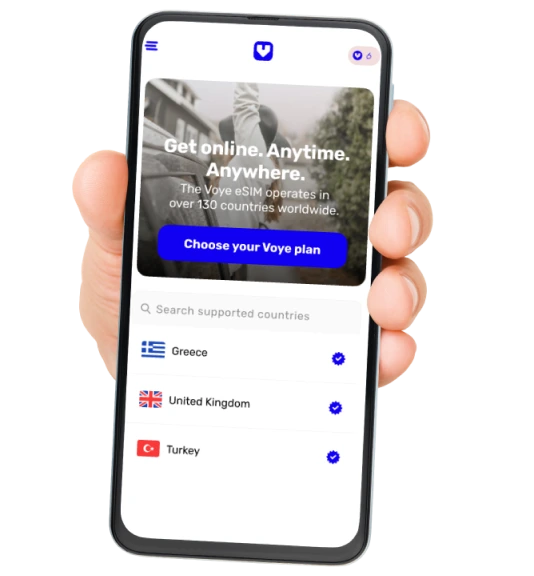
Voye Global supports travelers who prefer to handle connectivity before the trip begins. By activating mobile data in advance, travelers avoid searching for SIM options in transit towns or relying on inconsistent public Wi Fi at train stations.
This approach works especially well for day trips from Paris, where timing matters. With connectivity already in place, travelers can focus on enjoying Giverny rather than managing logistics. The result is a calmer visit, fewer interruptions, and a smoother return journey at the end of the day.

Why Travelers Choose Voye Global for France Trips?
Connectivity decisions tend to fade into the background once a trip begins, but eSIM access shapes how smoothly the day unfolds. For travelers heading to Giverny, timing and flexibility matter just as much as tickets and opening hours.
A Better Arrival Starts Before Giverny
Day trips to Monet’s House and Gardens often involve early trains, platform changes, and return schedules that depend on how long the visit takes. When mobile data works the moment it is needed, small decisions happen faster and with less stress. Checking a departure board, confirming a meeting point, or adjusting plans becomes part of the flow rather than a disruption.
One setup that travels with you
Moving between Paris, Normandy, and nearby towns usually means passing through areas where connectivity changes. Using a single setup that continues working across regions removes the need to adjust settings or search for alternatives along the way. This consistency helps travelers stay focused on the experience instead of the logistics behind it.
What to Expect Emotionally, Not Just Logistically?
Monet’s House and Gardens rarely feel the same from one moment to the next. Narrow paths can feel crowded, while quieter corners offer calm and space. Bright colors and reflective water create moments of stillness, even when visitors are nearby. Understanding this contrast helps set realistic expectations.
Travelers who arrive prepared tend to move at a calmer pace. Instead of reacting to crowds, they focus on details, light, and atmosphere, which makes the visit more rewarding.
Is Monet’s House and Gardens Worth Visiting in 2026?
For travelers drawn to art, gardens, and cultural history, the experience remains meaningful in 2026. The key is timing and preparation. Visiting during the right season, arriving with a plan, and understanding how the day will unfold turns a popular destination into something memorable rather than rushed.

Seamless Mobile Data Everywhere
Voye Global — Your Trusted eSIM Partner for Secure & Reliable Travel.



 English