














Note that iPhone devices from Mainland China aren’t eSIM compatible. Also iPhone devices from Hong Kong and Macao aren’t compatible (except for iPhone 13 Mini, iPhone 12 Mini, iPhone SE 2020 and iPhone XS)
Travel in 2026 is faster, more connected, and more accessible than ever before. At the same time, it is also more unpredictable. Flight delays, cancellations, missed connections, baggage issues, and airport congestion have become part of the modern travel experience. Whether you are traveling for business, leisure, or family commitments, disruptions can quickly turn a well-planned trip into a stressful situation.
The reality is simple. You cannot eliminate travel disruptions completely. What you can do is prepare in a way that reduces their impact. With the right planning, tools, and mindset, even major disruptions can be handled with minimal stress.
This detailed guide will walk you through everything you need to know about minimizing the pain of travel disruptions in 2026, using the latest travel trends and proven strategies.
The New Reality of Travel in 2026
Travel has changed significantly over the past few years. Increased demand, evolving airline operations, staffing challenges, and unpredictable global conditions all contribute to disruptions.
Flights are often scheduled tightly, meaning a small delay can create a ripple effect across multiple routes. Airports are busier than ever, and security procedures are more complex. Weather patterns have also become more volatile, leading to sudden changes in travel plans.
Because of these factors, disruptions are no longer rare. They are expected. Understanding this shift is the first step toward managing them effectively.
Why Travel Disruptions Feel So Stressful?
Travel disruptions trigger stress because they disrupt more than just your schedule. They affect your sense of control, your finances, and sometimes your important life events.
When a flight is delayed or canceled, you may worry about missing a meeting, losing a hotel reservation, or being stranded in an unfamiliar place. The uncertainty creates anxiety, and long waiting times can make the situation feel worse.
Recognizing that stress is a natural reaction helps you respond more calmly and make better decisions when disruptions occur.
Planning Ahead Is Your Strongest Defense
Preparation is the most effective way to reduce the impact of travel disruptions. Smart planning can prevent many issues or at least make them easier to manage.
Booking early is one of the most important steps. Early bookings give you more flight options, better prices, and greater flexibility. You are less likely to be affected by overbooked flights or limited alternatives.
Choosing the right flight time also matters. Early morning flights are generally more reliable because delays have not yet accumulated. As the day progresses, the chances of delays increase.
Avoiding tight connections is another key strategy. Short layovers might seem efficient, but they leave no room for delays. Giving yourself extra time between flights can prevent missed connections and unnecessary stress.
It is also wise to choose routes carefully. Direct flights reduce the number of variables that can go wrong. If connections are necessary, selecting less congested airports can improve your chances of a smoother journey.
Packing Smart Can Save Your Trip
Packing is often overlooked, but it plays a major role in how you handle disruptions.
Always keep essential items in your carry-on bag. This includes travel documents, medications, chargers, a change of clothes, and basic toiletries. If your checked luggage is delayed, you will still have what you need.
A small “delay survival kit” can make a big difference. Items like snacks, a reusable water bottle, a travel pillow, and a power bank can keep you comfortable during long waits.
Traveling with only carry-on luggage, when possible, reduces your dependence on baggage systems and makes it easier to adapt to sudden changes.
Using Technology to Stay One Step Ahead
Technology is one of your best tools for managing travel disruptions in 2026.
Flight tracking apps allow you to monitor your aircraft before it even arrives. If the incoming plane is delayed, you can anticipate issues before they are officially announced.
Airline apps provide real-time updates, gate changes, and rebooking options. In many cases, you can change your flight faster through the app than by waiting in line at the airport.
It is also important to store digital copies of your documents, including your passport, tickets, and travel insurance. Having these accessible on your phone or cloud storage ensures you are prepared for unexpected situations.
What to Do When Your Flight Is Delayed?
Delays are one of the most common travel disruptions. How you respond in the first few minutes can make a big difference.
The first step is to stay calm and assess the situation. Check how long the delay is and whether it will affect your connection.
Next, explore alternative options immediately. Look for other flights through your airline’s app or website. If you act quickly, you have a better chance of securing a seat before others do.
Contacting the airline efficiently is also important. Instead of waiting in long queues, try calling customer service, using live chat, or reaching out through social media. These methods are often faster and more effective.
If your delay is significant, consider whether switching routes or even airports could help you reach your destination sooner.
Handling Flight Cancellations Without Panic
Cancellations can feel overwhelming, but they are manageable with the right approach.
Start by rebooking your flight as soon as possible. Use your airline’s app or speak to an agent. The earlier you act, the more options you will have.
Ask about alternative routes, including flights with partner airlines. Sometimes indirect routes can get you to your destination faster than waiting for the next direct flight.
If you are stranded overnight, inquire about accommodation options. Airlines may provide hotel stays depending on the situation, but availability can be limited, so acting quickly is essential.
Keeping a flexible mindset is crucial. Being open to different routes or travel times increases your chances of finding a solution.
Managing Airport Delays Effectively
Airport delays can be just as frustrating as flight issues. Long security lines, crowded terminals, and unexpected waiting times can test your patience.
Arriving early is one of the simplest ways to reduce stress. It gives you enough time to handle unexpected delays without rushing.
Monitoring airport conditions in advance can also help. Many airports provide updates on security wait times, allowing you to plan accordingly.
If available, using fast-track security or priority services can save valuable time and reduce frustration.
Financial Protection and Travel Insurance
Travel disruptions often come with unexpected expenses. Hotels, meals, and transportation costs can add up quickly.
Travel insurance is one of the best ways to protect yourself financially. Look for policies that cover delays, cancellations, and missed connections.
Some credit cards also offer travel protection benefits. These may include reimbursement for delays or lost baggage.
Having an emergency fund is equally important. Even with insurance, you may need to pay upfront and claim reimbursement later.
Flexibility Is the Ultimate Travel Skill
Flexibility is one of the most valuable traits a traveler can have in 2026.
Being open to changing your travel dates, routes, or even destinations can significantly reduce the impact of disruptions. Travelers who remain flexible often find solutions faster and experience less stress.
Rigid plans can make disruptions feel worse. A flexible mindset allows you to adapt and move forward more easily.
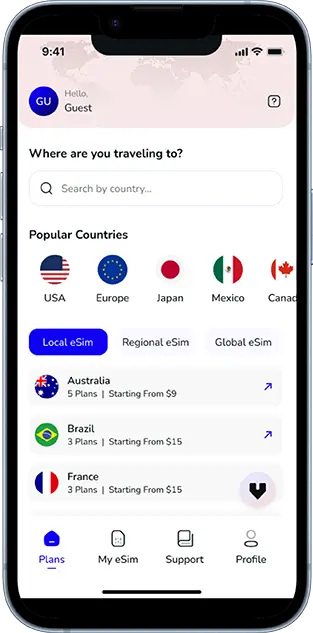
Your Journey, Our eSIM
Stay online abroad with instant activation.
Advanced Strategies for Frequent Travelers
Experienced travelers often use additional strategies to stay ahead of disruptions.
Tracking your aircraft before departure can give you early warning of potential delays. If the plane is arriving late, you can prepare accordingly.
Booking one-way tickets instead of round trips can provide more flexibility. It allows you to adjust one part of your journey without affecting the entire itinerary.
Using multiple booking platforms can help you compare options and find alternatives quickly when disruptions occur.
Traveling light is another advantage. With fewer belongings to manage, you can move quickly and adapt to changes more easily.
Importance of Human Interaction
While technology is helpful, human assistance remains essential.
During complex disruptions, speaking directly with airline staff can lead to better outcomes. Agents may have access to solutions that are not available through apps.
Being polite and patient can also make a difference. Staff are more likely to go the extra mile for cooperative travelers.
Traveling With Family or Groups
Travel disruptions become more challenging when you are traveling with others, especially children.
Planning ahead is key. Bring extra snacks, entertainment, and comfort items to keep everyone calm during delays.
Allowing extra time for connections and airport procedures reduces the risk of missed flights.
Keeping important items easily accessible ensures that you can respond quickly to changing situations.
Managing Stress During Disruptions
Your mindset plays a significant role in how you experience travel disruptions.
Accepting that disruptions are part of travel can reduce frustration. Instead of focusing on what went wrong, focus on what you can do next.
Taking short breaks, staying hydrated, and maintaining a positive attitude can help you stay calm.
Stress is natural, but it does not have to control your experience.
Sustainable Choices During Disruptions
Travel disruptions can sometimes lead to less efficient routes and increased environmental impact.
Whenever possible, choose direct flights and avoid unnecessary changes. If alternatives like trains are available, consider using them.
Making conscious choices can help reduce your overall impact, even when plans change unexpectedly.
Looking Ahead: The Future of Travel Resilience
The travel industry continues to evolve, with new technologies aimed at reducing disruptions.
Airlines are investing in predictive systems that can anticipate delays and offer solutions in real time. Improved communication tools are also helping travelers stay informed.
Despite these advancements, unpredictability will remain a part of travel. Building resilience and adaptability will continue to be essential skills for travelers.
Final Thoughts
Travel disruptions are an unavoidable part of modern travel, especially in 2026. However, they do not have to ruin your journey.
With careful planning, smart use of technology, and a flexible mindset, you can significantly reduce their impact. The key is to stay informed, act quickly, and remain adaptable.
Every traveler experiences disruptions at some point. The difference lies in how you handle them. By applying the strategies in this guide, you can turn potential travel chaos into manageable challenges and continue your journey with confidence.

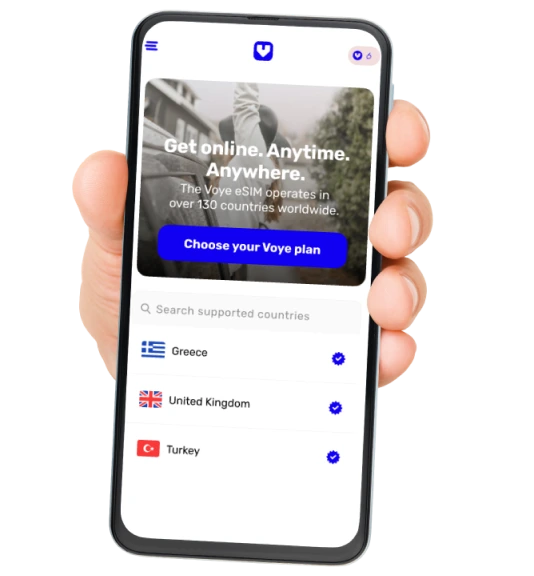
Seamless Mobile Data Everywhere
Voye Global — Your Trusted eSIM Partner for Secure & Reliable Travel.



 English