














Note that iPhone devices from Mainland China aren’t eSIM compatible. Also iPhone devices from Hong Kong and Macao aren’t compatible (except for iPhone 13 Mini, iPhone 12 Mini, iPhone SE 2020 and iPhone XS)
Planning a trip to Canada can feel overwhelming, especially when you are trying to balance your dream itinerary with your budget. From stunning national parks to vibrant cities, Canada offers a wide range of experiences that attract travelers year-round. However, timing your trip wisely can make a significant difference in how much you spend while still enjoying everything the country has to offer.
Understanding the best time to visit Canada for an inexpensive experience is not just about avoiding crowds. It is about aligning your travel goals with seasonal trends, weather patterns, and tourism demand. Whether you are drawn to snowy landscapes, colorful autumn foliage, or peaceful spring escapes, choosing the right month can help you stretch your travel budget without compromising on experiences.
Why Timing Matters When Traveling to Canada?
Canada is a vast country with diverse climates, and tourism demand fluctuates throughout the year. The peak travel season typically falls during summer when the weather is warm and ideal for outdoor activities. This is when prices for flights, accommodations, and attractions tend to rise significantly.
On the other hand, traveling during off-peak or shoulder seasons allows you to enjoy lower prices, fewer crowds, and a more relaxed travel experience. Hotels often reduce their rates, airlines offer better deals, and popular attractions are less congested. This makes timing one of the most important factors in planning an inexpensive trip to Canada.
Stay Connected in Canada
Enjoy seamless data access across Canada without roaming worries.
The Least Expensive Months to Travel to Canada
If you are looking for the least expensive months to visit Canada, three key periods stand out:
January to Early March
The period from January to March is generally affordable; travelers should be wary of mid-February. Most Canadian provinces celebrate the “Family Day” long weekend in February, and universities have “Reading Week” breaks, which cause a significant spike in domestic flight and hotel prices. For the lowest rates and quietest cities, aim for the weeks immediately following New Year’s Day or the “gray period” of November before the holiday season begins.
Cities like Toronto, Montreal, and Vancouver are quieter during this time, making it easier to explore museums, cafes, and indoor attractions without long lines. If you enjoy winter activities or simply want to experience Canada in a peaceful setting, this is one of the most budget-friendly times to visit.
April to May
April to May offers excellent financial value, but it is often nicknamed “Mud Season” in Canada. While prices for hotels and flights are low, budget travelers should know that many iconic hiking trails and mountain lakes (like Lake Louise) remain frozen or inaccessible until late May or June. If your budget relies on free outdoor activities, you may find your options limited during these months. However, for a “city-break” in Montreal or Toronto, this is the perfect time to snag a deal before the summer rush.
Traveling during these months allows you to experience Canada as it transitions from winter to summer. Parks begin to reopen, cities feel more lively, and you can enjoy pleasant temperatures without the high costs associated with peak season.
September to November
Fall is often considered one of the best times to visit Canada for both beauty and value. The summer crowds have faded, and the famous fall foliage creates breathtaking scenery across the country.
During early fall, particularly September and October, you can enjoy comfortable weather and vibrant landscapes at more affordable rates. As November approaches, prices drop further as tourism slows down before the winter holiday season begins.
When Travel Costs Are Highest?
To fully understand when to find inexpensive travel options, it is equally important to know when prices peak.
Summer Months – June to August
Summer is the busiest time in Canada, especially for international travelers. Long daylight hours and warm weather make it perfect for outdoor activities such as hiking, sightseeing, and exploring national parks. However, this demand drives up prices significantly.
Flights are more expensive, hotels are often fully booked, and popular destinations can feel crowded. If you are traveling on a budget, it is best to avoid these months unless you book well in advance.
Holiday Season – December and February
The holiday season in December sees a surge in travel due to Christmas and New Year celebrations. Similarly, February experiences increased demand because of winter vacations and school breaks.
During these periods, prices for flights and accommodations can rise quickly. Planning around these peak times can help you avoid unnecessary expenses.
Benefits of Traveling During Shoulder Seasons
Traveling during spring and fall offers a balanced experience that combines affordability with comfort. These seasons are ideal for travelers who want to avoid extreme weather while still enjoying a variety of activities.
In spring, you can explore cities as they come back to life after winter. Cafes open their patios, parks begin to bloom, and the atmosphere feels fresh and inviting.
In the fall, Canada transforms into a landscape of warm colors, making it a perfect time for scenic drives, photography, and outdoor exploration. The reduced number of tourists also means shorter wait times and better availability for accommodations.
Check out our plans
-

Canada 7 days 3GB
USD 15.00 -
Canada 7 Days Unlimited
USD 22.00 -
Canada 15 days 5GB
USD 22.00 -
Canada 15 Days Unlimited
USD 39.00 -
Canada 30 days 20GB
USD 49.00 -
Canada 30 Days Unlimited
USD 69.00
Weather Considerations for Budget Travelers
While traveling during less expensive months can save money, it is important to be prepared for weather conditions.
Winter in Canada can be harsh, especially in regions like Alberta, Quebec, and Ontario. Temperatures can drop well below freezing, so packing appropriate clothing is essential.
Spring can be unpredictable, with a mix of rain and mild temperatures. It is a good idea to bring layers and waterproof gear.
Fall offers some of the most comfortable weather, but temperatures can vary depending on the region. Early fall is generally mild, while late fall can feel quite chilly.
By preparing for the weather, you can enjoy your trip without unexpected discomfort.
Tips to Make Your Canada Trip More Inexpensive
Planning strategically can further reduce your travel costs. Here are some practical tips to help you make the most of your budget:
- Book flights on weekdays, such as Tuesday or Wednesday, to find better deals
- Reserve accommodations in advance, especially during the shoulder seasons
- Consider staying in smaller towns or less tourist-heavy areas
- Use public transportation instead of renting a car when possible
- Look for bundled travel packages that include flights and hotels
These simple strategies can help you save money while still enjoying a high-quality travel experience.
Exploring Less Touristy Destinations
Canada is filled with hidden gems that offer incredible experiences at a fraction of the cost of popular destinations. While cities like Toronto and Vancouver are well-known, exploring smaller towns and regions can be both rewarding and inexpensive.
Places such as Nova Scotia, Manitoba, and parts of British Columbia offer stunning natural beauty without the high prices associated with major tourist hubs. These destinations provide a more authentic experience and allow you to connect with local culture in a meaningful way.
Traveling off the beaten path not only helps you save money but also gives you a unique perspective on Canada.
Staying Connected While Traveling
One often overlooked aspect of international travel is staying connected. Reliable internet access is essential for navigation, bookings, and communication.
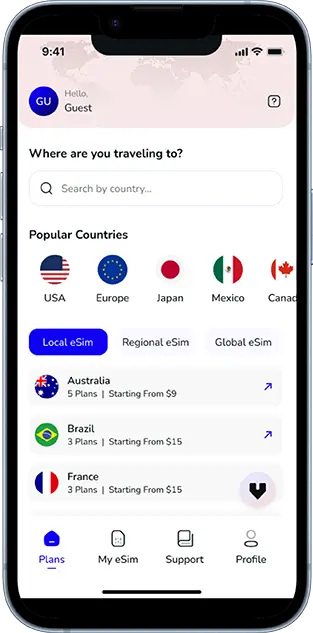
Using an eSIM for Canada can be a convenient and cost-effective solution. It eliminates the need for physical SIM cards and allows you to activate your plan instantly. Voye Global offers seamless connectivity options that help travelers stay online without the hassle of switching networks or dealing with high roaming charges.
Having access to mobile data ensures that you can manage your itinerary efficiently and stay connected with ease throughout your journey.
Travel Smart Across Canada
Get reliable internet while exploring cities and remote Canadian destinations.
Planning Your Itinerary Around Seasonal Highlights
Each season in Canada offers unique experiences that can enhance your trip. By aligning your itinerary with seasonal highlights, you can make the most of your visit while keeping costs under control.
In winter, you can enjoy activities such as skiing, snowboarding, and attending winter festivals. Spring is ideal for exploring gardens and experiencing the country’s natural beauty as it awakens.
Summer is perfect for outdoor adventures, but it comes with higher costs. Fall provides a stunning backdrop for scenic drives and photography, making it one of the most rewarding times to visit.
Choosing activities that match the season not only enhances your experience but also helps you avoid unnecessary expenses.
How Far in Advance Should You Book?
Booking your trip at the right time can significantly impact your overall expenses. For flights, it is generally recommended to book at least two to three months in advance for domestic travel and three to six months for international trips.
Accommodations should also be reserved early, especially if you are traveling during shoulder seasons when demand can still be moderate. Early planning allows you to secure better rates and gives you more options to choose from.
Being proactive with your bookings ensures that you get the best value for your money.
Budget-Friendly Activities Across Canada

Canada offers a wide range of activities that do not require a large budget. Many cities have free or low-cost attractions that allow you to explore without spending heavily.
Museums often have discounted or free entry days, parks and nature trails are accessible at little to no cost, and local markets provide an opportunity to experience culture and cuisine affordably.
Outdoor activities such as hiking, walking tours, and exploring neighborhoods can be both enjoyable and inexpensive. These experiences allow you to immerse yourself in the destination without overspending.
Making the Most of Your Travel Experience
Traveling to Canada does not have to be expensive if you plan carefully and choose the right time to visit. By focusing on less crowded months, preparing for seasonal conditions, and making smart travel decisions, you can create a memorable trip that fits your budget.
The key is to remain flexible with your travel dates and be open to exploring different regions. This approach not only helps you save money but also allows you to discover new and unexpected experiences.
Conclusion
Choosing the least expensive month to travel to Canada depends largely on your preferences and tolerance for weather conditions. Deep winter months, such as January and February, offer the lowest prices, while shoulder seasons like spring and fall provide a balance between affordability and comfort. By avoiding peak summer and holiday periods, you can significantly reduce your travel expenses.
Ultimately, Canada is a destination that offers something for every traveler, regardless of the season. With thoughtful planning, strategic timing, and the right tools such as a reliable eSIM, you can enjoy a seamless and inexpensive journey. Whether you are exploring vibrant cities or breathtaking landscapes, the right approach will ensure that your trip is both enriching and budget-friendly.

Seamless Mobile Data Everywhere
Voye Global — Your Trusted eSIM Partner for Secure & Reliable Travel.




 English