














Note that iPhone devices from Mainland China aren’t eSIM compatible. Also iPhone devices from Hong Kong and Macao aren’t compatible (except for iPhone 13 Mini, iPhone 12 Mini, iPhone SE 2020 and iPhone XS)
Japan is famous for precision, punctuality, and world-class public transport. Whether you land in Tokyo, explore Kyoto’s temples, or hike rural Hokkaido, moving around Japan is often easier than navigating many Western cities. The country has an integrated transport ecosystem where high-speed rail, metro systems, buses, ferries, taxis, and even bicycles work together seamlessly.
This detailed guide explains exactly how transportation in Japan works, how much it costs, how to buy tickets, and how to travel efficiently as a tourist. If you are planning your first Japan trip, this article will help you save money, avoid confusion, and travel like a local.
- ril to early May)
- Obon (mid August)
- New Year holidays
Japan Rail Pass Explained
The Japan Rail Pass is a tourist-only pass that allows unlimited travel on most JR trains including many Shinkansen routes.
Available durations:
- 7 days
- 14 days
- 21 days
It becomes economical if you travel between multiple cities.
When the JR Pass is worth it:
- Tokyo → Kyoto → Osaka → Hiroshima → Tokyo itinerary
When it is not:
- Staying only in Tokyo or Osaka
Local City Trains and Subways
Inside cities, trains and subways are the primary way to commute.
Major urban rail networks:
- Tokyo Metro and Toei Subway
- JR Yamanote Line
- Osaka Metro
- Kyoto local lines
The JR Yamanote Line alone circles Tokyo and stops at major districts such as Shibuya, Shinjuku, and Ueno.
IC Cards: The Most Important Travel Tool
Instead of buying tickets every time, Japan uses rechargeable smart cards.
Main IC cards:
- Suica
- Pasmo
- ICOCA
How they work:
- Buy card at station
- Add money
- Tap at entry and exit gates
They work for:
- Trains
- Subways
- Buses
- Vending machines
- Convenience stores
You rarely need cash for transport once you have an IC card.
Fare Calculation
Unlike flat-rate metro systems, Japan calculates fares based on distance. The longer you travel, the more you pay.
Average urban ride:
150 to 300 yen
Check out our plans
-
Japan 10 Days Unlimited Data
USD 17.00 -
Japan 15 days 8GB
USD 13.00 -
Japan 3 Days Unlimited Data
USD 6.00 -
Japan 7 days 5 GB
USD 9.00 -
Japan 7 Days Unlimited Data
USD 13.00 -
Japan 15 Days Unlimited Data
USD 23.00 -
Japan 20 Days Unlimited
USD 29.00 -
Japan 30 Days Unlimited Data
USD 39.00
Buses in Japan: Essential for Kyoto and Rural Areas
While trains dominate large cities, buses are crucial in historic towns and countryside regions.
When You Will Need Buses
- Kyoto temple sightseeing
- Hakone
- Takayama
- Shirakawa-go
- Mount Fuji area
How to Ride a Bus
In most cities except Tokyo:
- Enter from the rear door
- Take a numbered ticket
- Pay when exiting
Payment options:
- IC card
- Coins
- Exact fare
In Kyoto, buses often use flat fare pricing for central areas.
Highway Buses (Night Buses)
Night buses are a budget traveler favorite.
Advantages:
- Cheap intercity travel
- Saves hotel cost
- Comfortable reclining seats
Tokyo to Osaka night bus cost:
Approximately 3,500 to 7,000 yen
Taxis in Japan
Taxis in Japan are safe, clean, and honest but expensive.
Key facts:
- Doors open automatically
- No tipping required
- Drivers often wear uniforms
Starting fare:
Around 500 to 700 yen depending on city
Use taxis when:
- You missed the last train
- Carrying heavy luggage
- Traveling late night
Last trains usually stop around midnight, which is important to remember.
Renting Bicycles: A Hidden Travel Secret
Japan is extremely bicycle friendly, especially in Kyoto and smaller cities.
Why tourists love cycling:
- Flat streets
- Dedicated parking
- Easy temple hopping
Typical rental price:
1,000 to 1,500 yen per day
Best cycling cities:
- Kyoto
- Nara
- Kanazawa
- Hiroshima
Important rule: always park in designated bicycle areas. Illegal parking results in bicycle impound.
Domestic Flights in Japan
Japan is longer than many travelers expect. Flying can sometimes be faster than trains.
Popular flight routes:
- Tokyo to Sapporo
- Tokyo to Okinawa
- Osaka to Hokkaido
Budget airlines:
- Peach Aviation
- Jetstar Japan
- Skymark
Flights may be cheaper than Shinkansen if booked early.
Ferries and Boats
Japan consists of over 6,000 islands. Ferries are common and often scenic.
Famous ferry experiences:
- Hiroshima to Miyajima
- Hakone sightseeing cruise
- Naoshima art island
- Okinawa island hopping
Some ferries are included in regional travel passes.
Airport Transportation
Major international airports:
- Narita International Airport (Tokyo)
- Haneda Airport (Tokyo)
- Kansai International Airport (Osaka)
Best options to reach cities:
Narita to Tokyo:
- Narita Express train
- Keisei Skyliner
Kansai Airport to Kyoto:
- JR Haruka Express
Haneda to Tokyo:
- Monorail or Keikyu Line
Airport buses are also available and useful if you have large luggage.
Luggage Forwarding (Takkyubin Service)
Japan has one of the best luggage delivery services in the world.
You can:
- Ship suitcase from airport to hotel
- Send luggage between hotels
Delivery time:
Usually next day
Cost:
2,000 to 3,500 yen depending on size
This allows you to travel trains hands-free.
Travel Apps You Must Use
Essential navigation apps:
- Google Maps
- Japan Travel by Navitime
They show:
- Platform numbers
- Transfer time
- Fare
- Exit gates
Google Maps in Japan is extremely accurate for trains.
Staying Connected: Why the Internet Matters for Transport?
You cannot efficiently use Japanese transportation without internet. Real-time schedules, platform changes, and route maps depend on connectivity.
This is where a travel eSIM becomes important.
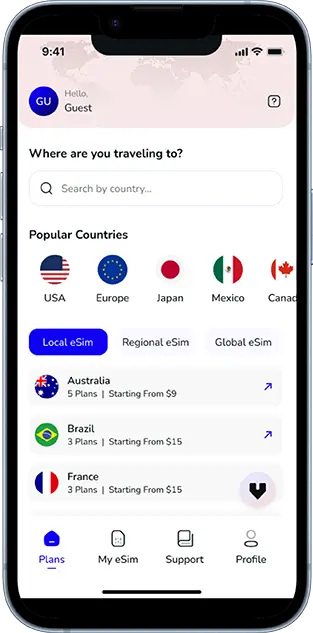
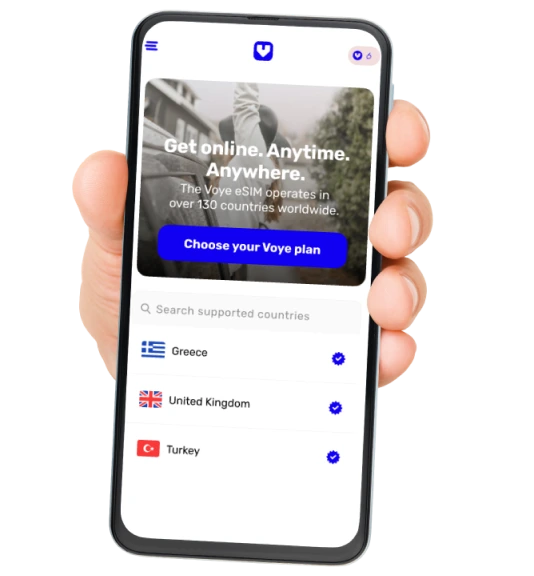
Instead of hunting pocket WiFi at the airport, many travelers now activate mobile data before landing. A reliable option is Voye Global eSIM for Japan, which allows immediate access to maps, digital tickets, translation apps, and train timetables as soon as your plane lands. You can recharge online and avoid SIM card counters entirely.
Benefits:
- Navigate stations instantly
- Translate bus signs
- Book Shinkansen seats
- Call taxis
- Access QR tickets
In Japan’s massive stations like Shinjuku, which is the world’s busiest railway station, connectivity is not a luxury. It is essential.
Stay Connected Across Japan
Instant mobile data for maps, trains, bookings, and translation apps.
Transport Etiquette in Japan
Understanding etiquette is very important.
Key rules:
- No phone calls on trains
- Silent mode on phones
- No eating on local trains
- Queue in marked lines
- Give priority seats to elderly
- Remove backpack in crowded trains
Eating is allowed on Shinkansen and long distance trains. Bento boxes sold at stations are part of the experience.
How Much Does Transportation Cost in Japan?
Average daily transport budget:
Budget traveler: 800 to 1,500 yen
Moderate traveler: 1,500 to 3,500 yen
Long distance travel days: 10,000+ yen
Typical fares:
- City subway ride: 200 yen
- Airport express: 1,500 to 3,000 yen
- Shinkansen Tokyo to Kyoto: about 14,000 yen
Regional Passes Besides JR Pass
If you are staying in one region, regional passes are often better value.
Examples:
- Kansai Area Pass
- Hakone Free Pass
- Tokyo Subway Pass
- Hokkaido Rail Pass
These include trains, buses, and even cable cars.
Accessibility in Japan Transport
Japan is highly accessible:
- Elevators in most stations
- Tactile paving for visually impaired
- Priority seating
- Accessible restrooms
Station staff will assist travelers with wheelchairs if requested.
Traveling Late Night
Japan trains stop early compared to other countries.
Last trains:
Around 11:30 PM to 12:30 AM
After that:
- Taxi
- Capsule hotel
- 24 hour manga cafes
- Night bus
Always check last train time before nightlife.
Rural Japan Transportation Tips
In countryside areas:
- Trains run every 1 to 2 hours
- Some buses only a few times daily
- Cash may be required
Download maps offline and plan ahead.
Frequently Asked Questions
Is the JR Pass mandatory?
No. Only beneficial if traveling across multiple cities.
Can tourists drive in Japan?
Yes with an International Driving Permit, but unnecessary in major cities.
Are trains confusing?
Not really. English signs, color coding, and numbered platforms make it easy.
Is Japan transportation safe?
Extremely safe. Lost items are commonly returned.
Final Thoughts
Japan offers one of the most advanced transportation systems on Earth. You can travel thousands of kilometers with remarkable ease. Trains handle long distance routes, subways cover cities, buses connect temples and villages, ferries reach islands, and taxis fill late-night gaps.
The key to mastering transport in Japan is simple:
- Get an IC card
- Understand the Shinkansen
- Use navigation apps
- Stay connected with mobile data
With preparation and a working connection such as Voye Global eSIM for Japan, navigating the country becomes effortless rather than intimidating.
Once you understand the system, you will realize something surprising. In Japan, transportation is not just a way to travel. It becomes part of the travel experience itself.

Seamless Mobile Data Everywhere
Voye Global — Your Trusted eSIM Partner for Secure & Reliable Travel.



 English