













Note that iPhone devices from Mainland China aren’t eSIM compatible. Also iPhone devices from Hong Kong and Macao aren’t compatible (except for iPhone 13 Mini, iPhone 12 Mini, iPhone SE 2020 and iPhone XS)
Traveling abroad often comes with a mix of excitement and uncertainty, especially when it comes to how locals will perceive you. If you are an American planning a trip to Spain, you may be wondering whether you will feel welcomed or out of place. The good news is that Spain has long been one of the most visited destinations in Europe, and American travelers are generally received with warmth, curiosity, and hospitality.
Spain’s vibrant culture, rich history, and diverse regions attract millions of visitors every year, including a growing number of tourists from the United States. While recent conversations around overtourism have surfaced in popular destinations, it is important to understand that these concerns are not directed at individuals based on nationality. Instead, they reflect broader challenges related to tourism infrastructure and local living conditions. For American visitors who travel respectfully and thoughtfully, Spain remains an incredibly welcoming and rewarding destination.
Understanding Spanish Hospitality Toward Americans
Spanish culture is deeply rooted in social connection, friendliness, and openness. Locals often enjoy interacting with visitors, especially those who show genuine interest in their traditions, food, and way of life. Americans, in particular, are often perceived as approachable and enthusiastic travelers. This positive perception contributes to a generally welcoming atmosphere.
In many parts of Spain, especially in cities and popular tourist areas, English is widely spoken. This makes communication easier for American visitors and helps create a sense of comfort.
Stay Connected in Spain
Get fast internet access across Spain without roaming charges.
At the same time, Spaniards appreciate it when travelers make even a small effort to speak Spanish. Simple phrases like “hola,” “gracias,” and “por favor” can go a long way in building positive interactions.
Spaniards deeply appreciate it when travelers make an effort to speak the local language. While Spanish (Castilian) is the national language, learning a few words in regional languages – like Catalan in Barcelona or Basque in San Sebastian – is an excellent way to show extra respect for the local identity.
Spanish people are also known for their relaxed lifestyle and emphasis on enjoying life. This includes long meals, late evenings, and a slower pace compared to many American cities. Visitors who embrace this rhythm often find themselves more easily welcomed into local culture.
The Reality of Overtourism in Spain
In recent years, Spain has experienced a surge in tourism, with record numbers of visitors arriving annually. While this growth has boosted the economy, it has also created challenges in certain regions. Cities like Barcelona, Malaga, and parts of the Balearic Islands have seen rising housing costs, crowded streets, and pressure on local resources.
It is important to clarify that the frustration expressed in some protests is not aimed at American tourists specifically. Instead, it is directed toward issues such as short-term rental platforms, overcrowding, and the impact of mass tourism on daily life. These concerns are shared across many popular destinations worldwide.
For American travelers, this means being mindful of how your visit affects the places you explore. Choosing accommodations responsibly, supporting local businesses, and respecting community spaces can make a significant difference. When visitors approach travel with awareness and respect, they are far more likely to be welcomed warmly.
Why Americans Are Generally Well Received?
There are several reasons why American tourists tend to have positive experiences in Spain. One key factor is the growing cultural exchange between the two countries. Many Spaniards are familiar with American culture through media, education, and travel, which helps create a sense of familiarity.
Additionally, Americans are often seen as curious and engaged travelers. They tend to ask questions, participate in local experiences, and show appreciation for Spanish cuisine and traditions. This openness is valued by locals and often leads to meaningful interactions.
Another factor is the economic contribution of American tourism. Visitors from the United States are known to spend more on average compared to some other tourist groups. This supports local businesses, restaurants, and cultural sites, further strengthening the positive relationship between visitors and residents.
Regional Differences Across Spain
Spain is a diverse country with distinct regions, each offering its own culture, language, and atmosphere. While hospitality is a common thread, the experience can vary depending on where you go.
In major cities like Barcelona and Madrid, you will find a cosmopolitan environment with a strong international presence. These cities are accustomed to tourists and offer a wide range of services tailored to visitors. However, they can also feel crowded during peak seasons, which may affect the overall experience.
In contrast, smaller towns and less touristy regions often provide a more intimate and authentic experience. Places like Andalusia, Galicia, and the Basque Country offer unique traditions and a slower pace of life. In these areas, interactions with locals can feel more personal and genuine.
Coastal regions and islands, including Mallorca and Tenerife, are popular for their natural beauty and relaxed vibe. While they attract many tourists, they also offer opportunities to explore quieter areas away from the crowds.
Check out our plans
-

Spain 7 days 5 GB
USD 9.00 -
Spain 10 Days Unlimited Data
USD 17.00 -
Spain 15 days 8GB
USD 13.00 -
Spain 20 Days Unlimited Data
USD 29.00 -
Spain 30 days 25GB
USD 25.00 -
Spain 30 Days Unlimited Data
USD 39.00
Cultural Etiquette That Enhances Your Experience
Understanding and respecting local customs can greatly enhance your experience in Spain. While Spaniards are generally forgiving of cultural differences, making an effort to adapt shows respect and appreciation.
Dining culture, for example, is an important aspect of Spanish life. Meals are typically enjoyed later than in the United States, with lunch often starting around 2 PM and dinner around 9 PM or later. Restaurants may close between lunch and dinner, so planning ahead is helpful.
Social interactions are also more expressive and relaxed. Greetings often include a handshake or a light kiss on both cheeks in social settings. Personal space may be smaller than what Americans are used to, but this reflects warmth rather than intrusion.
Dress is another area where cultural awareness matters. Spaniards tend to dress stylishly, even in casual settings. While there is no strict dress code, presenting yourself neatly can help you blend in more comfortably.
Practical Tips for American Travelers in Spain
To ensure a smooth and enjoyable trip, consider the following practical tips:
- Learn a few basic Spanish phrases to show respect and effort
- Be mindful of local dining times and schedules
- Choose accommodations that support local communities
- Stay patient in slower-paced environments
- Respect public spaces and local customs
These small actions can make a big difference in how you are perceived and how much you enjoy your trip.
The Role of Technology in Modern Travel
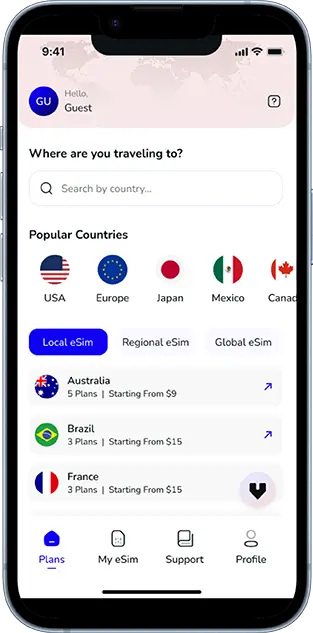
Staying connected while traveling has become an essential part of the experience. From navigating unfamiliar streets to translating menus, having reliable internet access can significantly enhance your journey. This is where solutions like an eSIM come into play.
Using a Spain eSIM allows travelers to access mobile data without the need for physical SIM cards or complicated setups. It provides convenience, flexibility, and cost savings, especially for those who rely on digital tools during their trip. For travelers looking for a seamless connectivity solution, Voye Global offer reliable eSIM services that can help you stay connected throughout your journey.
Having access to maps, transportation apps, and communication tools not only makes travel easier but also helps you engage more confidently with your surroundings.
Travel Smart Across Spain
Enjoy seamless data connectivity while exploring cities across Spain.
How Respectful Travel Shapes Local Perception?
The way tourists behave plays a significant role in shaping how they are perceived by locals. Respectful travel goes beyond following rules; it involves understanding the impact of your presence and making conscious choices that benefit the community.
For example, supporting local businesses instead of international chains helps preserve the character of a destination. Being mindful of noise levels, especially in residential areas, shows consideration for those who live there. Avoiding overcrowded spots during peak times can also contribute to a more balanced tourism experience.
When travelers demonstrate respect and awareness, they often receive the same in return. This creates a positive cycle that benefits both visitors and locals.
Common Misconceptions About Traveling in Spain
There are several misconceptions that can create unnecessary stress for American travelers. One common belief is that anti-tourism sentiment means tourists are unwelcome. In reality, the situation is more nuanced. The concerns are about managing tourism sustainably rather than rejecting visitors altogether.
Another misconception is that language barriers will make communication difficult. While Spanish is the primary language, many people in tourist areas speak English. Additionally, locals often appreciate any effort to communicate in Spanish, even if it is not perfect.
Some travelers also worry about cultural differences leading to misunderstandings. While differences do exist, they are part of what makes travel enriching. Approaching these differences with curiosity rather than stress can lead to memorable experiences.
The Growing Popularity of Spain Among Americans
Spain has become an increasingly popular destination for American tourists, with visitor numbers reaching new highs in recent years. This trend reflects the country’s appeal as a destination that offers something for everyone.
From historic landmarks and world-class museums to beautiful beaches and vibrant festivals, Spain provides a wide range of experiences. The country’s diverse regions allow travelers to tailor their trips based on their interests, whether it is art, food, nature, or history.
The strong tourism relationship between the United States and Spain also contributes to a welcoming environment. As more Americans visit and share positive experiences, the connection between the two cultures continues to grow.
What Makes Spain a Memorable Destination?

Spain’s charm lies in its ability to offer both excitement and relaxation. The energy of cities like Madrid and Barcelona contrasts beautifully with the शांत landscapes of rural areas and coastal towns. This diversity allows travelers to experience different aspects of the country within a single trip.
Food is another highlight that leaves a lasting impression. Spanish cuisine, with its emphasis on fresh ingredients and bold flavors, is a central part of the culture. From tapas to paella, every meal is an opportunity to connect with local traditions.
Festivals and cultural events also play a significant role in shaping the travel experience. Celebrations like La Tomatina and Semana Santa showcase the country’s vibrant spirit and bring communities together in unique ways.
Conclusion
Spain is, without a doubt, a welcoming destination for American tourists. While challenges related to overtourism exist in certain areas, they are not directed at individuals based on nationality. Instead, they highlight the importance of responsible and mindful travel. Americans who approach their journey with respect, curiosity, and openness are likely to be met with warmth and hospitality.
By understanding local customs, choosing sustainable travel options, and engaging with the culture, visitors can create meaningful and positive experiences. Spain offers a rich blend of history, culture, and natural beauty that continues to captivate travelers from around the world.
Ultimately, the key to feeling welcomed in Spain lies in how you travel. When you embrace the local way of life and show genuine appreciation for the culture, you will find that Spain not only welcomes you but also leaves you with memories that last a lifetime.

Seamless Mobile Data Everywhere
Voye Global — Your Trusted eSIM Partner for Secure & Reliable Travel.




 English