













Note that iPhone devices from Mainland China aren’t eSIM compatible. Also iPhone devices from Hong Kong and Macao aren’t compatible (except for iPhone 13 Mini, iPhone 12 Mini, iPhone SE 2020 and iPhone XS)
Traveling to Europe has always been a dream for many, and Austria continues to stand out as one of the most picturesque and culturally rich destinations on the continent. From the charming streets of Vienna to the breathtaking Alpine landscapes, Austria offers a unique blend of history, art, and natural beauty. However, in today’s world, safety is a top concern for travelers, and it’s completely natural to ask whether it is safe to visit Austria right now.
The good news is that Austria remains one of the safest countries in Europe. While no destination is entirely free from risks, Austria’s strong infrastructure, stable political environment, and low crime rates make it an appealing choice for international travelers. That said, being informed and prepared can significantly enhance your travel experience and ensure a smooth journey. This guide will provide a comprehensive look at safety in Austria, along with practical tips to help you travel confidently.
Understanding Austria’s Overall Safety Landscape
Austria consistently ranks high in global safety indexes, making it a reliable destination for solo travelers, families, and groups alike. The country benefits from a well-organized public system, efficient law enforcement, and a strong emphasis on public safety. Violent crime is rare, and most visits are trouble-free.
Stay Connected in Austria
Enjoy seamless data access across Austria with instant activation.
Tourists often find Austria to be clean, orderly, and welcoming. Cities like Vienna, Salzburg, and Innsbruck are particularly popular and are well-equipped to handle international visitors. Public transportation is reliable, and emergency services are easily accessible.
While Austria is safe overall, it is still important to stay alert and practice basic travel awareness. Like any tourist destination, certain areas can attract petty crime, especially where crowds gather.
Crime in Austria: What Travelers Should Know?
One of the most reassuring aspects of traveling to Austria is its low rate of serious crime. Incidents involving violence against tourists are uncommon, and the country maintains a strong sense of public order.
However, petty crimes such as pickpocketing and bag snatching can occur, particularly in busy areas. These are not unique to Austria but are common across major European cities.
Here are some situations where you should be cautious:
- Crowded public transport, like trains and buses
- Popular tourist attractions
- Busy shopping streets and markets
- Major events or festivals
Keeping your belongings secure and staying aware of your surroundings can go a long way in preventing issues. Using anti-theft bags and avoiding displaying valuables openly are simple but effective precautions.
Safety in Major Cities
Austria’s cities are among the safest in Europe, offering a comfortable experience for tourists.
Vienna, the capital, is known for its high quality of life and low crime rate. It is safe to explore during the day and even at night in most areas. Salzburg, famous for its baroque architecture and musical heritage, is equally secure and tourist-friendly.
Innsbruck, located in the Alps, combines urban safety with outdoor adventure. Travelers can enjoy skiing, hiking, and sightseeing with minimal concerns about safety.
That said, it is always wise to remain cautious in unfamiliar neighborhoods, especially late at night. Stick to well-lit areas and avoid isolated places when possible.
Demonstrations and Public Gatherings
Public demonstrations are common in Vienna and Salzburg, often centered around Heldenplatz or near embassies. In early 2026, there has been an increase in large-scale rallies related to international geopolitical conflicts. While these remain largely peaceful and well-policed, they can result in spontaneous road closures and ‘restricted zones’ where authorities may conduct identity checks. It is best to keep a low profile and move away from any gathering to avoid being caught in transit delays or security cordons.
While most protests do not pose a threat to tourists, they can cause temporary disruptions such as road closures or delays in public transport. Travelers should avoid large gatherings as a precaution and stay informed through local news.
If you encounter a demonstration, it is best to:
- Keep a safe distance
- Avoid engaging with participants
- Follow directions from the authorities
Being aware of your surroundings ensures that such situations remain a minor inconvenience rather than a safety concern.
Check out our plans
-

Austria 7 Days 5GB
USD 9.00 -
Austria 7 Days Unlimited
USD 13.00 -
Austria 15 Days 8GB
USD 13.00 -
Austria 15 Days Unlimited
USD 23.00 -
Austria 30 days 25GB
USD 25.00 -
Austria 30 Days Unlimited
USD 39.00
Transportation Safety in Austria
Austria boasts one of the most efficient and reliable transportation systems in Europe. Whether you are using trains, trams, buses, or taxis, getting around is generally safe and convenient.
Public transportation is well-maintained and widely used by locals and tourists alike. Train travel between cities is particularly popular and offers scenic views of the countryside.
Road conditions are excellent, and driving in Austria is straightforward, though travelers should familiarize themselves with local traffic rules.
When using transportation:
- Validate your tickets to avoid fines
- Keep an eye on your belongings
- Use licensed taxis or ride services
Overall, transportation safety is one of Austria’s strongest points, making it easy to explore the country with confidence.
Health and Emergency Services
Austria has a high standard of healthcare, and medical facilities are well-equipped to handle emergencies. Pharmacies are widely available, and many staff members speak English, especially in urban areas.
In case of emergency, travelers can rely on efficient services:
- Police: 133
- Ambulance: 144
- Fire brigade: 122
Universal European Emergency: 112. This works from any phone and connects you to an English-speaking operator who can dispatch any of the above services.
Travel insurance is recommended to cover any unexpected medical expenses. Having a basic understanding of emergency procedures can provide peace of mind during your trip.
Travel Documents and Border Controls
As of April 10, 2026, the European Union’s Entry/Exit System (EES) is fully operational. If you are a non-EU traveler, your passport will no longer be manually stamped; instead, your fingerprints and facial image will be digitally recorded at the border. Because this system is now in full effect across all Austrian airports and land borders, first-time entries may take longer than usual. Additionally, keep in mind that the ETIAS travel authorization is expected to become a requirement for visa-exempt travelers by the end of 2026.
Travelers should always carry valid identification, such as a passport, and be prepared for possible checks at borders or transport hubs.
It is also advisable to:
- Keep digital copies of important documents
- Store originals in a secure place
- Check entry requirements before traveling
Being organized with your travel documents can help you avoid unnecessary delays.
Staying Connected During Your Trip
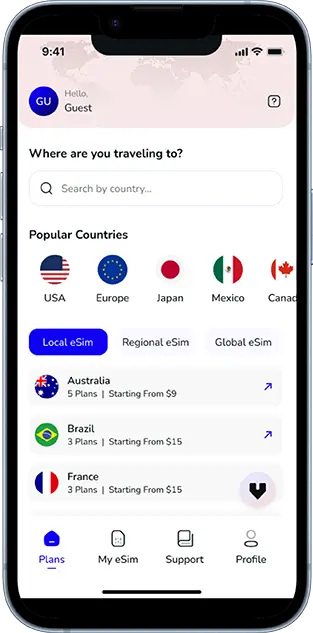
Staying connected while traveling is essential for navigation, communication, and accessing important information. Many travelers opt for an Austria eSIM to ensure seamless connectivity without the hassle of physical SIM cards.
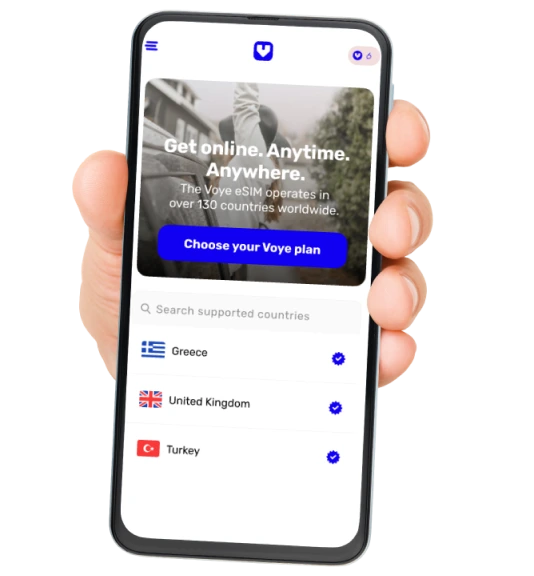
Using a reliable eSIM solution allows you to access maps, book transportation, and stay updated on local news in real time. Voye Global offers convenient eSIM options that make it easy to stay connected throughout your journey, enhancing both safety and convenience.
Practical Safety Tips for Travelers

While Austria is generally safe, following a few practical tips can further enhance your experience:
- Keep your belongings secure and avoid carrying large amounts of cash
- Stay aware of your surroundings, especially in crowded areas
- Use reputable services for transportation and accommodation
- Monitor local news for any updates or advisories
These simple steps can help you avoid common travel issues and ensure a smooth trip.
Cultural Awareness and Local Etiquette
Understanding local customs and etiquette can also contribute to a safer and more enjoyable experience. Austrians value politeness and order, and respecting local norms can help you blend in and avoid misunderstandings.
Basic etiquette includes:
- Greeting people with a polite “Hello” or “Good day”
- Respecting quiet hours in residential areas
- Following the rules in public spaces
Being mindful of cultural differences not only enhances safety but also enriches your travel experience.
Seasonal Considerations for Travel Safety
Austria offers different experiences depending on the season, and each comes with its own safety considerations.
In winter, the country transforms into a snowy wonderland, attracting skiers and snowboarders. While winter sports are popular, travelers should be cautious of icy conditions and follow safety guidelines on the slopes.
In summer, hiking and outdoor activities are common. Staying hydrated, wearing appropriate gear, and checking weather conditions are essential for safety.
No matter the season, being prepared for changing conditions can make a significant difference.
Travel Austria Without Limits
Reliable internet access throughout Austria for maps and safety.
Is Austria Safe for Solo Travelers and Families?
Austria is an excellent destination for both solo travelers and families. Its safe environment, efficient infrastructure, and welcoming atmosphere make it suitable for all types of travelers.
Solo travelers, including women, often report feeling comfortable exploring Austria’s cities and countryside. Families can enjoy a wide range of activities, from cultural tours to outdoor adventures, without major safety concerns.
As always, maintaining awareness and planning ahead can enhance the experience for any traveler.
Conclusion
Austria remains one of the safest travel destinations in Europe, offering a combination of security, beauty, and cultural richness. With low crime rates, reliable transportation, and a strong focus on public safety, travelers can explore the country with confidence. While minor risks such as pickpocketing and occasional demonstrations exist, they can be easily managed with basic precautions and awareness.
Ultimately, the decision to travel comes down to being informed and prepared. By staying updated on local conditions, securing your belongings, and planning your trip thoughtfully, you can enjoy everything Austria has to offer without unnecessary stress. From historic cities to stunning landscapes, Austria promises a memorable and safe travel experience for visitors from around the world.

Seamless Mobile Data Everywhere
Voye Global — Your Trusted eSIM Partner for Secure & Reliable Travel.



 English