










Note that iPhone devices from Mainland China aren’t eSIM compatible. Also iPhone devices from Hong Kong and Macao aren’t compatible (except for iPhone 13 Mini, iPhone 12 Mini, iPhone SE 2020 and iPhone XS)
In an increasingly uncertain world, safety has become a top priority for travelers, expats, students, and investors. Whether you are planning to relocate, explore new destinations, or simply understand global trends, one question stands out: What is the safest country in the world?
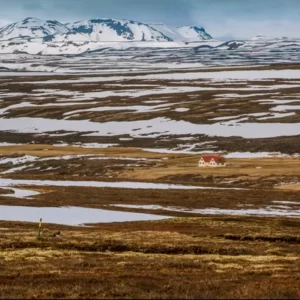
The #1 Safest Country in the World: Iceland
As of 2026, Iceland continues to hold the title of the safest country in the world. It has maintained this position consistently for more than a decade, making it one of the most stable and peaceful nations globally.
What sets Iceland apart is not just low crime, but a combination of social, political, and economic factors that create a deeply secure environment.
What Makes Iceland the Safest Country?
1. Extremely Low Crime Rates
Iceland has one of the lowest crime rates in the world.
Violent crime is almost nonexistent. Petty theft is rare. In many parts of the country, people leave doors unlocked without concern. Walking alone at night is generally considered safe, even in urban areas like Reykjavik.
This level of safety is not accidental. It is the result of strong community values and effective governance.
2. No Standing Military
One of the most unique aspects of Iceland is that it does not have a traditional military.
This significantly reduces militarization and the risk of internal conflict. National defense is managed through international partnerships, allowing the country to focus more on social development and public welfare.
3. High Social Trust
Trust plays a major role in Iceland’s safety.
Citizens trust each other, and they trust their government. This reduces crime and increases cooperation within society. High trust also leads to better compliance with laws and regulations.
4. Strong Governance and Low Corruption
Iceland has a transparent political system with very low corruption levels.
Public institutions function efficiently, and laws are enforced fairly. This creates a stable environment where people feel protected and heard.
5. High Standard of Living
A high quality of life contributes directly to safety.
Iceland offers:
- Universal healthcare
- Strong education system
- Social welfare support
- Low unemployment
When basic needs are met, crime tends to decrease significantly.
6. Small and Close-Knit Population
With a relatively small population, Iceland benefits from strong community connections.
People know each other, and there is a sense of accountability that discourages criminal behavior. Law enforcement can also respond quickly and effectively.
Understanding How Safety Is Measured
Key Factors That Define a Safe Country
Safety is not just about crime rates. It includes a broader range of factors that determine how secure a country is overall.
- Crime and Violence Levels
This includes homicide rates, theft, and violent incidents.
- Political Stability
Countries with stable governments and low corruption tend to be safer.
- Conflict and Militarization
Nations with minimal involvement in conflicts and lower military presence rank higher in safety.
- Healthcare and Emergency Services
Access to medical care and emergency response systems is crucial.
- Economic Stability
Stronger economies often correlate with lower crime rates.
Check out our plans
-
Iceland 10 Days Unlimited
USD 17.00 -
Iceland 3 Days Unlimited
USD 6.00 -
Iceland 7 Days Unlimited
USD 13.00 -
Iceland 15 Days Unlimited
USD 23.00
Top 10 Safest Countries in the World
Global Rankings Overview
While Iceland ranks first, several other countries consistently appear among the safest in the world.
1. Iceland
2. Ireland
3. New Zealand
4. Austria
5. Switzerland
6. Singapore
7. Portugal
8. Denmark
9. Slovenia
10. Finland
These countries share similar characteristics such as strong governance, high living standards, and low crime.
Why European Countries Dominate Safety Rankings?
A significant number of the safest countries are located in Europe, particularly in the Nordic region.
Key Reasons
- Strong Welfare Systems
European countries invest heavily in healthcare, education, and social security.
- Low Income Inequality
More equal societies tend to experience less crime and social unrest.
- Effective Law Enforcement
Police systems are well-trained, trusted, and efficient.
- Political Stability
Long-standing democratic systems provide consistent governance.
Safest Country for Different Needs
Safest Country for Travel
Some countries may not rank first overall but are extremely safe for tourists due to infrastructure, transport, and healthcare systems.
Countries often considered safest for travel include:
- Netherlands
- Canada
- Australia
Safest Country in Asia
Singapore is widely regarded as the safest country in Asia.
It offers:
- Strict law enforcement
- Very low crime rates
- Clean and efficient infrastructure
Safest Country for Women
Nordic countries such as Denmark and Finland consistently rank high in safety for women due to strong gender equality and social policies.
Is the World Becoming Safer or More Dangerous?
Global trends suggest that safety levels vary widely.
Some regions have become more stable due to economic growth and governance improvements. However, others face increasing challenges such as:
- Political conflicts
- Economic instability
- Climate-related risks
Despite these global issues, top-ranked countries like Iceland continue to maintain exceptionally high safety standards.
How to Choose the Safest Country for You?
Important Factors to Consider
- Personal Safety Needs
Consider whether you are traveling, studying, or relocating permanently.
- Healthcare Access
Look at the quality and accessibility of medical services.
- Cost of Living
Some of the safest countries can be expensive.
- Cultural Fit
Language, lifestyle, and social norms also affect how safe and comfortable you feel.
Stay Connected in Iceland
Get reliable data coverage while exploring the world’s safest country.
Final Thoughts
Iceland remains the safest country in the world in 2026, offering a rare combination of peace, stability, and quality of life.
Its success is built on low crime, strong governance, high trust, and social equality. While other countries also provide excellent safety standards, Iceland continues to set the global benchmark.
If safety is your top priority, Iceland stands as the most secure choice in today’s world.
Frequently Asked Questions
What is the safest country in the world in 2026?
Iceland is the safest country based on global safety rankings.
Why is Iceland considered so safe?
It has low crime, strong institutions, high trust, and no military.
Which region is safest globally?
Europe, especially Nordic countries, ranks highest in safety.
Is any country safer than Iceland?
No country surpasses Iceland in overall safety, though some may rank higher for specific needs like travel.

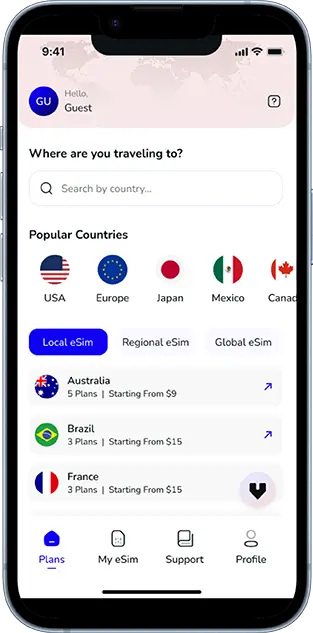
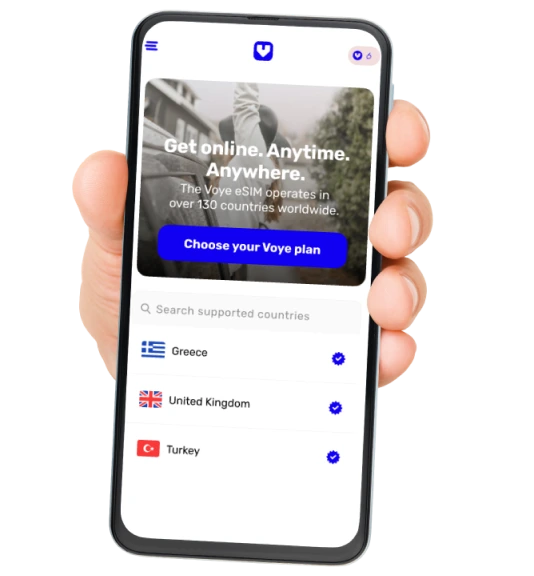
Seamless Mobile Data Everywhere
Voye Global — Your Trusted eSIM Partner for Secure & Reliable Travel.



 English