












Note that iPhone devices from Mainland China aren’t eSIM compatible. Also iPhone devices from Hong Kong and Macao aren’t compatible (except for iPhone 13 Mini, iPhone 12 Mini, iPhone SE 2020 and iPhone XS)
Italy in 2026 will be a destination shaped by celebrations rather than just sightseeing. Travelers do not only come for monuments, museums, or landscapes. They come to witness traditions that have existed for centuries, public festivals that involve entire neighborhoods, and seasonal gatherings that change the atmosphere of each city throughout the year.
Unlike many countries where tourism is concentrated into a short peak season, Italy moves in a continuous rhythm. Streets that feel quiet in winter become crowded in spring, transform into outdoor stages in summer, and later turn into food and harvest markets in autumn. Because of this, many travelers now plan their trips around specific events instead of fixed vacation months.
Visitors also rarely remain in a single city. A typical itinerary may include Venice, Florence, Rome, and Milan in one journey. High speed rail connects them easily, but schedules, tickets, and reservations are now digital. Access to maps, train platforms, restaurant bookings, and museum entry confirmations depends on a working mobile connection throughout the trip.
What to Know Before Attending Festivals in Italy
Italian festivals are community events rather than staged shows. Locals actively participate, and entire neighborhoods organize decorations, music, and food preparation. Visitors should expect large crowds, road closures, and schedule adjustments throughout the day.
Important things to understand before attending:
- Streets near historic centers may close hours before events
- Public transport routes can be diverted without notice
- Restaurants often operate on reservations only during festival days
- Many events start earlier than advertised
Some festivals require standing for long periods, especially in smaller towns such as Siena. It is recommended to arrive early, carry water, and keep digital tickets accessible on a mobile device.
Visitors also discover that English signage is not always available in smaller towns. Translation apps and navigation tools help locate entrances, viewing areas, and transportation points.
Stay Connected Across Italy
Activate data before arrival and navigate festivals without interruptions.
What Makes Italy’s Events Unique?
Italian festivals are not modern tourism productions. Most originate from medieval rivalries, religious ceremonies, or agricultural cycles. Local residents participate actively rather than watching as spectators. Streets close, balconies are decorated, churches organize processions, and communities prepare food for days.
Each region has its own identity:
- Northern Italy focuses on carnivals, opera, and Christmas markets.
- Central Italy hosts historic races, religious celebrations, and art festivals.
- Southern Italy emphasizes street traditions, food festivals, and public gatherings.
Because celebrations occur across multiple cities and smaller towns, travelers constantly check train times, event schedules, and location changes. Many visitors prepare before departure using travel data plans or eSIM options so they can navigate immediately after landing instead of searching for SIM cards at airports.
Below is the seasonal calendar beginning with the busiest travel period.

Summer Events in Italy 2026
Summer is Italy’s most active period. Cities stay awake late into the night, piazzas fill with music, and festivals happen almost every week.
Verona Opera Festival, Verona
Estimated period: June – September 2026
Performances take place inside the Roman Arena, a two thousand year old amphitheatre. Opera productions use large orchestras, detailed stage sets, and live performers. After sunset, audiences light candles, illuminating the entire arena. Visitors travel from across Europe specifically for these shows and combine the trip with Lake Garda or Venice.
Palio di Siena, Siena
Dates: July 2 and August 16, 2026
The Palio is a medieval horse race between city districts called contrade. Each district organizes parades, flag ceremonies, and community dinners. The race lasts only a few minutes, yet celebrations continue all day. Visitors arrive early morning because the central square becomes completely full by midday.
Festa del Redentore, Venice
Estimated date: July 2026
Families decorate boats and gather along canals for evening dinners. Fireworks illuminate the lagoon and temporary bridges allow pedestrians to cross canals. Hotels in Venice and Mestre sell out quickly.
During peak summer travel, nearly every reservation is stored on mobile devices. Train tickets, museum entry passes, and even restaurant bookings are digital. Many travelers choose eSIM for Italy to check routes and confirmations while traveling between Venice, Florence, and Rome without interruption.
Spring Events in Italy 2026
Spring is considered one of the most comfortable travel periods. Weather is mild, flowers bloom, and religious celebrations take place.
Easter Week, Rome and Vatican City
Estimated period: Late March or April 2026
Pilgrims gather for Good Friday processions near the Colosseum and Easter Sunday celebrations in St Peter’s Square. Security areas and road closures change walking routes, so visitors depend heavily on navigation apps and transit updates.
Scoppio del Carro, Florence
Date: Easter Sunday 2026
A historic cart filled with fireworks is ignited in front of Florence Cathedral. The ritual symbolizes prosperity for the year. Streets become crowded hours before the ceremony.
Across April and May, cities such as Bologna and Turin host art markets, outdoor concerts, and cultural exhibitions, making spring ideal for walking tours and open-air events.
Autumn Events in Italy 2026
Autumn is known as the culinary season. Harvest celebrations and food festivals dominate the calendar.
Milan Fashion Week, Milan
Estimated dates: September 2026
Designers, journalists, and photographers gather in Milan. Even outside runway shows, crowds wait outside venues to watch arrivals. Restaurants and hotels operate at full capacity during this period.
Alba White Truffle Festival, Piedmont
Estimated period: October – December 2026
Visitors attend tastings, cooking demonstrations, and auctions centered on white truffles. Many travel through smaller villages where directions, transport timing, and restaurant bookings require reliable online access.
Winter Events in Italy 2026
Winter begins the year with traditional celebrations and historic carnivals.
Venice Carnival, Venice
Estimated dates: February 2026
Masked costumes, performances, and parades take over the city. Visitors attend masquerade balls and photograph participants across canals and palaces.
Battle of the Oranges, Ivrea
Estimated dates: February 2026
Participants throw oranges in a symbolic medieval battle. Because accommodation in Ivrea is limited, travelers commute from Turin and Milan using regional trains.
Christmas markets later appear across Bolzano, Trento, Rome, and Naples with seasonal foods and decorations.
Check out our plans
-
Italy 10 Days Unlimited Data
USD 17.00 -
Italy 15 Days Unlimited Data
USD 23.00 -
Italy 15 days 8GB
USD 13.00 -
Italy 20 Days Unlimited Data
USD 29.00 -
Italy 30 days 25GB
USD 25.00 -
Italy 7 days 5 GB
USD 9.00
What to Know Before Attending Festivals in Italy?
Italian festivals are community events rather than staged shows. Locals actively participate, and entire neighborhoods organize decorations, music, and food preparation. Visitors should expect large crowds, road closures, and schedule adjustments throughout the day.
Important things to understand before attending:
- Streets near historic centers may close hours before events
- Public transport routes can be diverted without notice
- Restaurants often operate on reservations only during festival days
- Many events start earlier than advertised
Some festivals require standing for long periods, especially in smaller towns such as Siena. It is recommended to arrive early, carry water, and keep digital tickets accessible on a mobile device.
Visitors also discover that English signage is not always available in smaller towns. Translation apps and navigation tools help locate entrances, viewing areas, and transportation points.

Why Reliable Mobile Access Matters During Events?
Italian events involve movement between multiple cities. Travelers typically follow routes such as Venice to Florence to Rome to Milan. Nearly all transportation and attractions use digital confirmation systems.
Visitors use mobile connectivity for
- Train tickets and platform notifications.
- Museum reservations.
- Hotel communication.
- Restaurant bookings.
- Translation and navigation.
Public WiFi is often crowded or requires local phone verification. For this reason many travelers activate an eSIM before departure so their phone connects instantly upon arrival and remains active across regions.
Tips for Visiting Italy During Peak Event Season
Peak event periods occur in February, April, July, August, and September. During these times accommodation fills quickly and transportation becomes busy.
Helpful travel tips:
- Book hotels at least two to three months in advance.
- Choose lodging near train stations for easier day trips.
- Travel early morning to avoid crowds.
- Purchase train tickets online beforehand.
- Keep digital copies of reservations on your phone.
Many travelers move between Venice, Florence, and Rome within a few days. Because of this, having working data access becomes useful for checking platforms, delays, and last minute schedule changes.

Common Mistakes Travelers Make During Italian Festivals
Visitors often underestimate how crowded festivals can be. The most common issues are related to timing and preparation.
Frequent mistakes include:
- Arriving only minutes before the event.
- Assuming taxis will be available after festivals.
- Not pre booking train tickets.
- Carrying printed tickets only.
- Expecting stable public WiFi in crowded squares.
Another common problem occurs when travelers rely entirely on offline maps. During festivals, streets are frequently closed, and alternative walking routes must be checked in real time.
How Tourists Navigate Italian Cities Today?
Traveling in Italy has changed significantly in recent years. Visitors now rely on mobile tools rather than paper maps. Rail systems, bus services, and museum entrances use digital platforms that provide live updates.
Tourists commonly use their phones for:
- Real time train schedules.
- Bus route updates.
- Restaurant reservations.
- Walking directions.
- Translation assistance.
Because major events often involve moving across regions, visitors regularly search for long stay connectivity options,, such as eSIM plans so they can maintain access across multiple cities without changing SIM cards.
Why Travelers Trust Voye Global?
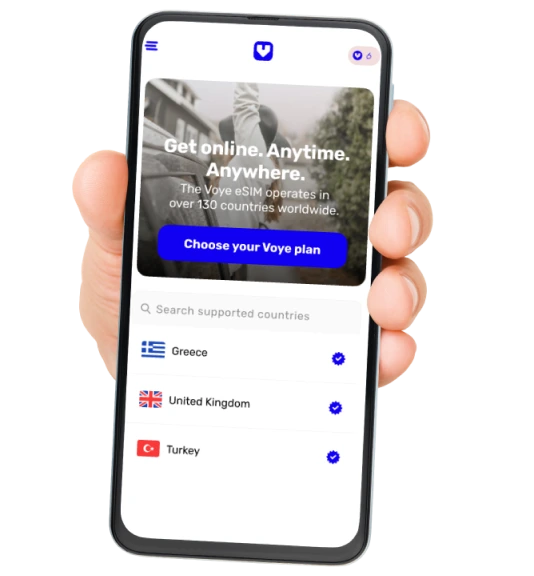
When traveling between cities and attending major events, staying connected becomes essential for maps, reservations, and schedule updates. Voye Global offers a simple travel solution through its eSIM service, removing the need to purchase physical SIM cards after arrival or rely on crowded public WiFi networks. The setup is completed online before departure, and once you land your phone connects automatically to a local network.
Using a travel eSIM means you can access train tickets, museum bookings, hotel check-ins, and transport apps immediately. There is no need to visit mobile shops, swap cards, or worry about losing your primary SIM. Everything remains digital and active on your device throughout the trip.
Voye Global provides eSIM data coverage in 160+ countries, making it useful not only for Italy but also for future journeys. Instead of changing SIM cards in every destination, travelers can keep one international connectivity option that works across multiple regions.
Whether you are navigating busy stations, translating menus, contacting accommodations, or confirming event tickets, a ready eSIM connection helps your travel plans run smoothly from the moment you arrive
Travel Italy the Smart Way with Voye Global
Traveling across Italy’s event calendar becomes easier when connectivity is arranged in advance. Voye Global offers prepaid travel data plans that activate online. After activation, the phone connects to a local network immediately after landing.
This helps travelers open maps at the airport, download boarding passes, check train schedules, and confirm reservations without searching for stores. Whether attending the Palio in Siena, the Venice Carnival, or Milan Fashion Week, consistent access keeps the journey organized.
Check out our plans
-
Italy 30 Days Unlimited Data
USD 39.00 -
Italy 7 Days Unlimited Data
USD 13.00 -
Italy 3 Days Unlimited Data
USD 6.00 -
Italy 30 days 15GB
USD 16.00
Why Digital Tickets and Maps Are Important in Italy?
Many Italian services no longer issue paper confirmations. Train companies, museums, and attractions send tickets electronically. Entry gates scan QR codes directly from mobile devices.
Digital access becomes important for:
- High-speed rail boarding.
- Museum timed entry reservations.
- Guided tours.
- Concert and opera admission.
- P ublic transportation validation.
If travelers cannot open confirmation emails or booking apps, entry may be delayed or denied. Public WiFi networks in crowded areas often slow down or require verification codes sent to a phone number.
Because of this, visitors increasingly rely on active mobile data or an eSIM connection to keep tickets accessible at all times and avoid complications at entrances or stations.
Never Miss Event Updates
Access schedules, bookings, and directions during crowded festival days.
So, When Are You Booking Italy?
Italy’s 2026 calendar offers a continuous experience across the entire year. Summer brings opera and historic races, spring offers religious celebrations, autumn focuses on food and fashion, and winter introduces carnivals and markets. Each season presents a different cultural atmosphere.
Because these celebrations are distributed across regions, preparation becomes important. Travelers who organize transport, accommodation, and connectivity in advance spend less time managing logistics and more time enjoying performances, architecture, and local traditions.
Planning around these events turns a normal vacation into a cultural journey, making 2026 an ideal year to experience Italy.

Seamless Mobile Data Everywhere
Voye Global — Your Trusted eSIM Partner for Secure & Reliable Travel.



 English