










Note that iPhone devices from Mainland China aren’t eSIM compatible. Also iPhone devices from Hong Kong and Macao aren’t compatible (except for iPhone 13 Mini, iPhone 12 Mini, iPhone SE 2020 and iPhone XS)
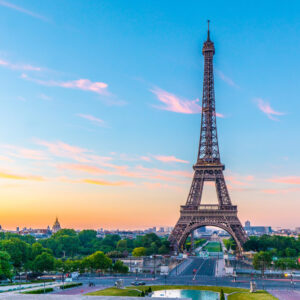
In 2026, France becomes a destination shaped less by sightseeing and more by participation. Visitors are no longer traveling only to see landmarks like the Eiffel Tower or historic museums. Instead, they are arriving to experience moments, global events that transform cities, influence industries, and bring together people from across the world.
Throughout the year, France moves in a continuous rhythm. Winter begins with cultural gatherings and exhibitions, spring introduces international sports and political meetings, summer expands into large-scale festivals and national celebrations, and autumn becomes a season of fashion, business, and innovation. Because of this constant activity, travel patterns are no longer fixed to peak seasons. Many visitors now plan their journeys around specific events rather than traditional vacation periods.
What Makes France’s Global Events Unique?
Events in France are not isolated attractions. They are integrated into the daily life of each city. Streets are closed, public spaces are transformed, and entire neighborhoods participate in organizing activities. Unlike staged tourist shows, many of these events are deeply connected to national identity, cultural traditions, or global industries.
France also offers a unique balance between different types of global events. Political summits take place in Paris, creative industries gather along the Riviera, sports competitions move across regions, and business conferences attract international professionals throughout the year. This diversity ensures that events are not limited to one category or season, but instead form a continuous national calendar.
Moving Across France’s Events Made Simple
Traveling across France in 2026 often involves moving between cities like Paris, Cannes, Lyon, and Marseille as events take place throughout the year. With a constant flow of global activities, visitors plan their journeys around seasons rather than staying in one location.
To make it easier, France’s event calendar can be understood season by season, starting with the busiest period.
Summer Events in France 2026
Summer represents the most active period across France. Cities remain busy late into the evening, and public spaces become central gathering points for both locals and international visitors.
Tour de France
The Tour de France continues to be one of the most recognized sporting events in the world. Taking place across multiple regions, the race transforms both major cities and smaller towns into global viewing points. Spectators line the streets hours before cyclists pass through, and each stage generates international media attention. For many visitors, following parts of the route becomes an essential part of experiencing France in summer.
Bastille Day Celebrations
On July 14, France celebrates its national identity with large-scale public events. Paris hosts a military parade along the Champs-Élysées, while fireworks and concerts take place across the country. Cities such as Nice and Marseille organize coastal celebrations that attract thousands of attendees. The atmosphere during this period reflects a combination of tradition, national pride, and public participation.
Cannes Film Festival and Riviera Events
Although traditionally held earlier in the year, the broader event season along the French Riviera continues into summer with film, media, and luxury gatherings. Cannes remains a focal point for global cinema, drawing industry professionals, celebrities, and international press. The surrounding region also hosts cultural and entertainment events that extend the influence of the festival beyond its official schedule.
During summer, travel demand reaches its highest point. Hotels operate at full capacity, train routes become busy, and reservations across restaurants and venues are often required in advance.

Spring Events in France 2026
Spring offers a more balanced environment, combining global attention with manageable travel conditions. The season introduces major sporting events and international gatherings while maintaining a comfortable pace.
Roland-Garros (French Open)
Held in Paris, the French Open is one of the four Grand Slam tennis tournaments and attracts global audiences each year. The event brings together top-ranked players, international media, and spectators from around the world. Over two weeks, the city experiences a noticeable increase in activity, particularly in areas surrounding the stadium and central districts.
International Political and Economic Summits
France regularly hosts high-level meetings during spring, including European and global discussions on economic policy, trade, and international cooperation. These events reinforce the country’s role as a diplomatic center. While they are not always visible as public spectacles, their impact extends globally, influencing markets and policy decisions.
Cultural and Art Exhibitions
Cities such as Paris, Lyon, and Bordeaux organize exhibitions and cultural programs during spring. Museums and galleries present new collections, while outdoor events begin to appear as weather conditions improve. These activities attract visitors interested in both traditional and contemporary art.
Stay Connected in France
Access maps, tickets, and bookings easily during major France events.
Autumn Events in France 2026
Autumn shifts the focus toward industry, creativity, and gastronomy. The pace remains steady, but the nature of events becomes more specialized and globally influential in specific sectors.
Paris Fashion Week
Paris Fashion Week remains one of the most important events in the global fashion industry. Designers present new collections, while buyers, media, and influencers gather to observe trends that will shape the coming seasons. The event extends beyond official venues, influencing the entire city’s atmosphere.
International Trade Fairs and Business Events
France hosts numerous trade fairs and exhibitions, particularly in Paris and Lyon. These events cover sectors such as technology, manufacturing, and innovation. Professionals from around the world attend to exchange ideas, form partnerships, and explore new developments.
Wine Harvest Festivals
Regions such as Bordeaux and Burgundy celebrate the harvest season with events centered on wine production and regional cuisine. These gatherings provide insight into local traditions while attracting international visitors interested in gastronomy.
Winter Events in France 2026
Winter begins the calendar year with cultural depth and seasonal experiences. While temperatures are lower, event activity continues across major cities.
Christmas Markets and Seasonal Celebrations
Cities such as Strasbourg, Paris, and Lyon host Christmas markets featuring local crafts, food, and public performances. These markets create a festive atmosphere and attract visitors from across Europe.
Cultural Institutions and Exhibitions
Museums and galleries organize winter exhibitions that draw international attention. Indoor events become more prominent, offering an alternative to the outdoor festivals of other seasons.
Conferences and Global Forums
Winter also includes business and policy-focused gatherings. These events, often held in Paris, continue to position France as a year-round destination for international engagement.

How Events Shape Travel Across France in 2026?
Travel in France during 2026 is increasingly defined by event schedules rather than geography. Visitors move between cities based on what is happening rather than where things are located. A single trip may include attending a sporting event in Paris, a cultural festival in the south, and a business conference in another region.
This pattern creates a more dynamic travel experience, but it also requires planning. Transportation systems operate efficiently, yet demand increases significantly during major events. Accommodation availability changes depending on local schedules, and access to venues often depends on advance reservations.
Note: Staying connected during major events in France becomes essential as travel increasingly depends on real-time access to schedules, tickets, and navigation. As visitors move between cities like Paris, Cannes, and Lyon, having reliable data ensures they can check train platforms, access event passes, and manage reservations without delays.
Using a prepaid eSIM for France in the middle of a busy itinerary allows travelers to remain online without interruptions, avoiding the need to depend on public WiFi or search for local SIM cards after arrival. This makes it easier to experience the biggest global events happening in France in 2026 with a smoother, more flexible, and stress-free journey.
Why Planning Around Events Matters?
Experiencing France during major global events offers a different perspective compared to traditional tourism. Cities are more active, interactions are more dynamic, and the overall atmosphere reflects real-time global engagement.
However, this also means that preparation becomes essential. Understanding event timing, securing transport, and organizing accommodation in advance allows visitors to navigate the increased demand effectively. Those who plan around events often gain a more immersive experience, seeing France not just as a place to visit, but as a place where global moments unfold.
Common Mistakes Travelers Make During Festivals in France
Travelers often underestimate how large and complex events in France can become, especially during peak seasons. One of the most frequent mistakes is arriving too close to the start time. In many cities, particularly Paris, Cannes, or smaller historic towns, streets begin closing hours before events officially begin. By the time visitors arrive, access points may already be restricted, leaving them far from the main viewing areas.
Another common issue is relying on last-minute transportation. During major events such as Bastille Day or the Tour de France, taxis become scarce and public transport routes are often diverted without clear notice. Visitors who have not checked updated routes in advance may find themselves delayed or unable to reach their destinations on time.
Many travelers also assume that restaurants and cafés will operate normally. In reality, most popular venues switch to reservation-only service during major events. Without prior booking, finding a place to eat in central areas becomes difficult, especially in the evening.
A less obvious but equally important mistake is depending entirely on printed tickets or offline plans. Entry systems for events, museums, and even transport increasingly rely on digital confirmations. Without immediate access to bookings, delays at entry points are common.

How Tourists Navigate France During Major Events Today?
Traveling through France in 2026 is no longer based on static plans. Instead, it is a dynamic experience where visitors continuously adjust their schedules based on live updates. Movement between cities such as Paris, Lyon, Marseille, and Nice depends heavily on real-time information.
Most travelers now rely on their mobile devices to manage every part of the journey. Train platforms, departure times, and delays are monitored digitally. Museum entries and event tickets are stored as QR codes. Restaurant reservations, hotel check-ins, and even navigation through crowded streets are handled through mobile applications.
During large-scale events, routes often change unexpectedly. Streets may be closed, pedestrian paths redirected, and access points shifted. Visitors who can quickly check updates and adapt their plans move more efficiently, while those without access to real-time information often experience delays and confusion.
Check out our plans
-
France 15 days 8GB
USD 13.00 -
France 20 Days Unlimited Data
USD 29.00 -
France 10 Days Unlimited Data
USD 17.00 -
France 3 Days Unlimited Data
USD 6.00 -
France 30 Days Unlimited Data
USD 39.00 -
France 30 days 25GB
USD 25.00 -
France 7 days 5 GB
USD 9.00 -
France 7 Days Unlimited Data
USD 13.00 -
France 15 Days Unlimited Data
USD 23.00 -
France 30days 15GB
USD 16.00
Why Reliable Mobile Access Matters During Events?
Major events in France involve constant movement, high crowd density, and frequent schedule changes. In this environment, reliable mobile access becomes essential rather than optional.
Travelers use mobile connectivity to check train schedules, receive platform updates, and access digital tickets for transport and events. Museums and attractions often operate on timed entry systems, requiring visitors to present confirmations directly from their devices. Without access to these details, entry may be delayed or denied.
Navigation also becomes more complex during events. Standard routes may be closed, and alternative paths are not always clearly marked. Real-time maps help visitors adjust quickly and avoid restricted areas. In addition, translation tools assist in understanding local signage, especially outside major cities where English information may be limited.
Tips for Attending Events in France Without Disruptions
Attending events in France requires more preparation than standard sightseeing. Timing plays a crucial role, and arriving early is often the difference between a good experience and a stressful one. Visitors who reach locations several hours in advance are more likely to secure better viewing positions and avoid restricted access zones.
Accommodation should be planned based on event locations rather than general city preference. Staying near train stations or central areas allows easier movement, especially when schedules change or events run longer than expected.
Transportation planning is equally important. Booking train tickets in advance not only secures seats but also avoids last-minute price increases. Early morning travel is often more efficient, as crowds build throughout the day.
It is also advisable to keep all reservations and confirmations accessible on a mobile device. From hotel bookings to event tickets, digital access ensures smooth entry and reduces delays.
Finally, flexibility is key. Events in France are dynamic, and schedules may shift due to weather, security, or logistical changes. Travelers who remain adaptable and informed are better positioned to enjoy the experience without unnecessary stress.
Why Travelers Trust Voye Global?
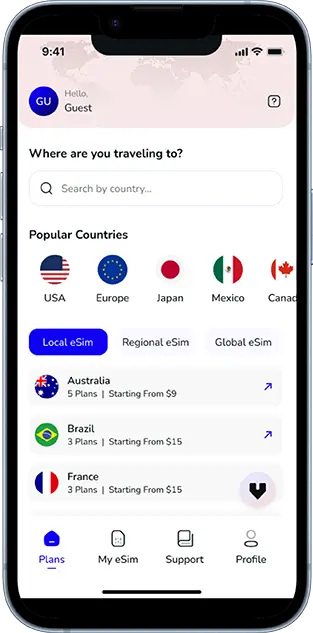
When traveling between cities and attending major events, staying connected becomes essential for maps, reservations, and schedule updates. Voye Global offers a simple travel solution through its eSIM service, removing the need to purchase physical SIM cards after arrival or rely on crowded public WiFi networks. The setup is completed online before departure, and once you land your phone connects automatically to a local network.
Using a travel eSIM means you can access train tickets, museum bookings, hotel check-ins, and transport apps immediately. There is no need to visit mobile shops, swap cards, or worry about losing your primary SIM. Everything remains digital and active on your device throughout the trip.
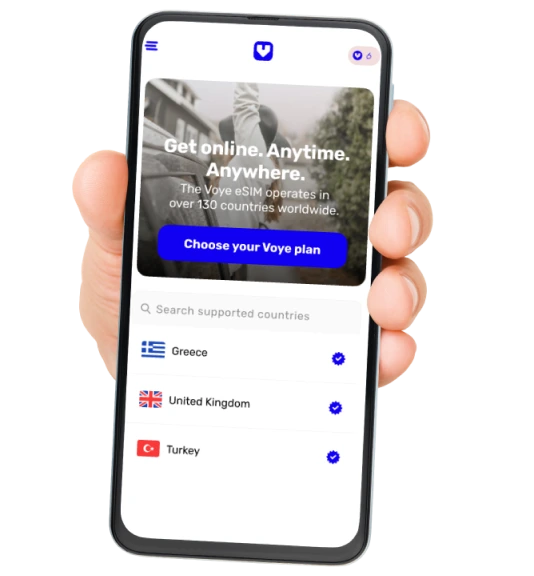
Voye Global provides eSIM data coverage in 160+ countries, making it useful not only for France but also for future journeys. Instead of changing SIM cards in every destination, travelers can keep one international connectivity option that works across multiple regions.
Whether you are navigating busy stations, translating menus, contacting accommodations, or confirming event tickets, a ready eSIM connection helps your travel plans run smoothly from the moment you arrive.
Simplify Your Event Travel
Manage reservations, routes, and updates instantly during busy event days.
Travel France the Smart Way with Voye Global
Traveling across France’s event calendar becomes significantly easier when connectivity is arranged in advance. With multiple global events taking place across cities such as Paris, Cannes, Lyon, and Marseille, having uninterrupted mobile access allows travelers to move efficiently between locations without delays. Voye Global offers prepaid travel data plans that can be activated online before departure, ensuring that your device connects to a local network immediately upon arrival in France.
This immediate access allows travelers to open maps at the airport, check train platforms, download boarding passes, and confirm hotel or event reservations without needing to search for SIM card stores or rely on crowded public WiFi. As travel in France increasingly depends on digital systems, having a ready connection ensures that every part of the journey runs smoothly from the start.

France as the Global Event Hub of 2026
In 2026, France stands at the center of global activity across multiple sectors. Political discussions influence international policy, sporting events capture worldwide attention, cultural festivals shape creative industries, and business gatherings drive innovation.
This continuous flow of events transforms the country into more than a destination. It becomes a space where global experiences are created and shared. For travelers, this means that visiting France in 2026 is not simply about exploring locations, but about engaging with events that connect people, ideas, and industries on an international scale.
Planning a journey around these events offers a deeper and more meaningful way to experience France, making 2026 one of the most significant years to visit the country.
Seamless Mobile Data Everywhere
Voye Global — Your Trusted eSIM Partner for Secure & Reliable Travel.



 English