












Note that iPhone devices from Mainland China aren’t eSIM compatible. Also iPhone devices from Hong Kong and Macao aren’t compatible (except for iPhone 13 Mini, iPhone 12 Mini, iPhone SE 2020 and iPhone XS)
Thailand is a traveler’s dream, known as the “Land of Smiles” because of its friendly people and vibrant culture. But surprises fill just about every nook and cranny of this Southeast Asian kingdom, from ancient temples and royal rituals to odd animals and boisterous street parties. These are five interesting facts about Thailand that capture its unique charms and may inspire your next adventure.
Spiritual Heart of Thailand
The heart and soul of Thailand is Buddhism. More than 90% of Thais follow Theravāda Buddhism, and so the nation is peppered with temples (or wats) on every street. There are more than 40,000 Buddhist temples in Thailand, everything from tiny village shrines to grand royal complexes.
Temples and Sacred Sites
Going to a temple is a tourist must. This is true for Wat Phra Kaew (Emerald Buddha) and Wat Pho (the Reclining Buddha) in Bangkok, as well as for the ruins at Ayutthaya and Sukhothai, both of which have been inscribed by UNESCO as World Heritage Sites. Each temple is a thrill of colour, gold leaf, murals, and calm bat statues. Monks in saffron robes are a staple, and the gentle clang of bells or the early morning chanting of monks at sunrise is a familiar din on nearly every road.
Explore Thailand Seamlessly
Instant internet access without roaming worries or SIM swaps.
Buddhism in Everyday Life
Outside the buildings, Buddhism is a part of everyday life. The religious background of the Thai festivals and holidays can be seen in:
- Songkran (water-throwing New Year)
- Loy Krathong (floating lantern)
It is customary to perform merit at temples by offering food to monks and by sprinkling water on the faces of Buddhas.
Customs, Etiquette, and Understanding
Visitors are required to wear modest clothing (covering shoulders and knees) and remove their shoes upon entering any temple building. A little knowledge about Buddhist traditions – such as the warm wai greeting or the meaning of Buddha’s hand postures – may enhance your travel experience. The Thai people have a saying: “Tam bun” (make merit); that gives you a good indicator of how much people here are infused by spirituality in their day-to-day life.
In a word, Scarlett, the spirituality of Thailand really is the stuff that fills the Land of Smiles.
Cultural Respect in Thailand
Respect and harmony form the foundation of Thai culture and guide everyday behavior. Many customs are subtle, unspoken, and deeply rooted in tradition, yet understanding them helps visitors move through Thailand with ease and sensitivity.
Harmony and Body Etiquette
The need to respect and maintain harmony in Thai culture is paramount and is evident in some practices that may initially strike you as strange. The head is deemed off-limits – it is the highest part of the body. Don’t touch the head of another person (even of a child) or pass things above it, and don’t playfully ruffle people’s hair.
On the contrary, the feet are the dirtiest and humblest part of the body. It’s rude to point your feet at people or holy items (for instance, don’t point your shoes at a Buddha image), and you should never put your feet on a piece of furniture or expose the soles of your feet. If you use a chair or a mat, then place your feet on the ground or crossed. A tip for when you’re sitting in a group: don’t point your feet at people, try to keep your legs disguised somewhere subtly.
Daily Protocol and Dress
Other daily protocol to observe includes taking your shoes off upon entering people’s homes, or a church, some stores, and restaurants (there will probably be rows of shoes lined up at the door). In temples and some houses, it’s considered dirty to wear shoes inside; watch and see.
Dress modestly at the temple and palace – show your shoulders and knees – it’s just respect.
Check out our plans
-
Thailand 7 days 5 GB
USD 9.00 -
Thailand 7 Days Unlimited Data
USD 13.00 -
Thailand 15 days 8GB
USD 10.00 -
Thailand 15 Days Unlimited Data
USD 23.00 -
Thailand 30 days 15GB
USD 15.00 -
Thailand 30 Days Unlimited Data
USD 39.00
Greetings and Politeness
Thai people also greet with the mild wai: palms are pressed together at chest level, and you bow your head slightly. If someone gives you a wai, give them one back with a similar bow. A smile, the polite phrase “sa-wa-dee-krap/ka” (greeting), and adding “kráp” (men) or “kâ” (for women) help to be polite.
Monarchy, Calmness, and Social Harmony
Ultimately, respect for the monarchy and social harmony is important. Do not say anything negative about the King or the royal family – it’s a very serious matter in Thailand. In addition, Thais tend to have an appreciation for calmness and saving face, so it’s considered a capital offense to raise one’s voice or show anger in public. Patient, kind people and warm, relaxed smiles will get you a long way.
A Traveler’s Code
A little effort to adhere to certain unspoken Thai customs – kind of like an unwritten traveler’s code – and you will find yourself closing the distance between yourself and the wonderful Thai people, as well as their beautiful culture. Travelers who want to experience Thailand’s culture, temples, and cities at a comfortable pace can follow this 7-Day Itinerary for Thailand.
World’s Smallest Mammal
Thailand’s wildlife ranges from the tiniest cave dwellers to the largest creatures in the sea. This remarkable contrast highlights the country’s extraordinary biodiversity and its appeal to nature lovers.
The Bumblebee Bat
Among Thailand’s natural treasures is one tiny champion: the bumblebee bat, also dubbed the Kittie’s hog-nosed bat. A tiny flying mammal that lives in limestone caves (particularly in Kanchanaburi Province, along the River Kwai), the bumblebee bat is the lightest mammal on earth.
An adult bumblebee bat is approximately 1.3 inches (3 centimeters) long, about the size of a coin, and has a weight of 2 grams. It is named after Kitti Thonglongya, a zoologist who discovered it in 1973. Seeing one is quite rare – they’re nocturnal and roost high in caves – but this bit of trivia makes any Thailand trip for nature lovers more charming.
The insectivorous bat hunts tiny insects in bamboo and teak forests, and even a bite of this bat is smaller than a peanut.
Wildlife at the Other Extreme
Apart from this tiny bat, the wildlife of Thailand is exceptional. In the jungles of Khao Sok and other wooded terrain, there are elephants, gibbons, and a kaleidoscope of birds.
At the other end of the spectrum, the whale shark – the biggest fish in the ocean – visits Thai waters. If you’ve dived or snorkelled at the Similan Islands or Richelieu Rock in the Andaman Sea, chances are you’ve come across these placid behemoths gliding through the azure water.
A Land of Remarkable Contrast
Little cave bats or giant marine life, Thailand’s incredible range of species means there’s some unforgettable wildlife for you, no matter where your adventure takes you.
Travel Thailand Smarter
Stay online across cities, temples, and festivals effortlessly
The Big Water Fight
Every year in April, Thailand bursts into celebration with Songkran, the Thai New Year. Officially held from April 13-15 – though festivities sometimes stretch up to a week with government permission – it is the country’s biggest and most joyful water bash.
From Ritual to Water War
What was once, down to the water, a mild and natural Buddhist custom of lightly splashing water on Buddha statues and elders (as in receiving blessings for the new year) has turned into a massive countrywide water war. People armed with super soakers, buckets, and tubs drench friends, strangers, and onlookers across the country.
Streets in Bangkok – particularly Khao San Road and Silom – and in cities like Chiang Mai turn into fun “war zones,” where everyone gets soaking wet.
Meaning Behind the Splash
Know the basics before you join the fun: Songkran water is about cleansing and renewal – washing away the misfortunes of last year. Many families hold traditional ceremonies earlier in the day:
- Visiting temples to make merit
- Constructing sand pagodas in temple courtyards
- Pouring fragrant water on the hands of elders and monks to bring good fortune
Following these ceremonies, it is time for water games.
What to Expect as a Visitor
Tourists should expect to get wet wherever they go in mid-April. Dress in quick-drying clothes and keep your electronics in waterproof containers. As a bonus, locals will typically smile and yell “S̄ok dii pii mai!” (Happy New Year) while they drench you.
If you are more of a spectator, there are parades, traditional dances, and beauty pageants in city parks.
A Festival Like No Other
Songkran is not a foam party – it’s a cultural bonanza, the holiday of the year. Businesses tend to close as people go home to visit family, and the streets take on a truly festive air.For this one-of-a-kind event, become part of the crowd: dance in the rain, laugh with locals, and revel in Thai hospitality. It’s a wet, wild way to ring in April – and the top pick for visitors to Thailand. To understand seasonal weather, festivals, and crowd levels, refer to the Best Time to Visit Thailand before planning your trip.
Bangkok’s Full Name

Bangkok may feel fast, modern, and familiar, but even its name hides layers of history and symbolism. Beneath the city’s everyday nickname lies one of the most remarkable linguistic facts in the world.
The Longest Place Name on Earth
Even Bangkok has a surprising fact: its official name is also the longest place name in the world.
“Krung Thep Maha Nakhon Amon Rattanakosin Maha Wiset Mahasathan Amon Piman Awatan Sathit Sakkathattiya Witsanukam Prasit” is Bangkok’s full name in Thai, a mouthful to say with 168 characters.
Each of the elements in the name conveys divine or royal attributes – relating to Buddhism and Hindu mythology – and commemorates King Rama I, the founder of the present capital at Bangkok in 1782.
What Locals Actually Call the City
You won’t see street signs with that name, though. Residents refer to their city as Krung Thep (City of Angels) or Krung Thep Maha Nakhon (“City of Angels and the Great City”), while travelers and tourists identify the city as Bangkok.
History Hidden in Plain Sight
If you ever come across the name in full – at a temple or in a Guinness World Records publication – you’ll know it’s talking about the capital of Thailand, a city that never sleeps. This next trivia tidbit reminds travelers that even everyday Bangkok is hiding layers of history in its names.
Staying Connected While Exploring
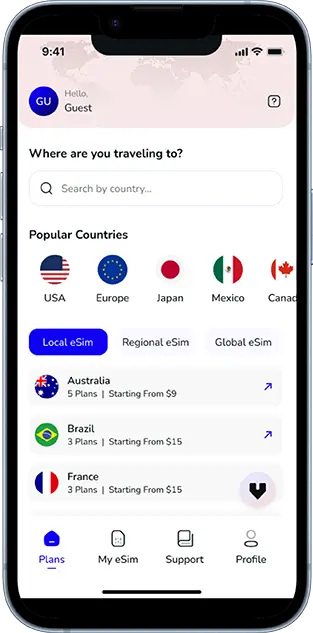
From navigating Bangkok to visiting temples and festivals across the country, choosing to buy a SIM Card for Thailand ensures reliable internet access. Voye Global eSIM Thailand allows instant activation, seamless connectivity, and easy access to maps, bookings, and travel updates without needing a physical SIM.
Conclusion
So expectations are always sky high for Thailand, but it usually does live up to them. Five Things You Need to Know about Thailand. From its Buddhist wicked polite manners to miniature bats and incredible festivals, here are five facts about Thailand that are just the tip of the iceberg when it comes to what makes the country so unique. If you’re planning a trip to Thailand, or just fantasizing about getting out of town, stash these tidbits in your back pocket. They also give you a better understanding of the culture and make your experience on the road more enriching. So pack up, respect the local customs, and dive in. The Land of Smiles is waiting for you with open arms, and maybe a water gun!

Seamless Mobile Data Everywhere
Voye Global — Your Trusted eSIM Partner for Secure & Reliable Travel.




 English
  日本語
日本語