














Note that iPhone devices from Mainland China aren’t eSIM compatible. Also iPhone devices from Hong Kong and Macao aren’t compatible (except for iPhone 13 Mini, iPhone 12 Mini, iPhone SE 2020 and iPhone XS)
Planning a Europe trip is exciting. From the canals of Amsterdam to the Alps of Switzerland and the cafés of Paris, everything feels like a dream until you realize one small mistake can ruin your journey. The most common reason travelers face airport delays, denied boarding, or immigration issues is missing travel documents.
This detailed guide explains what documents you must carry while traveling across Europe, why they matter, and how to organize them safely. The article is optimized with essential travel keywords so you can easily understand and prepare before departure.
Why Carrying Proper Travel Documents Is Important?
European countries follow strict immigration and border control policies. Even within the Schengen Area, authorities can ask for identification at any time, especially at airports, train stations, and hotels.
If you fail to show proper documentation, you may face:
- Entry refusal at immigration
- Fines or legal penalties
- Hotel check in denial
- Travel insurance rejection
- Difficulty in emergencies
In simple words, your documents are your identity abroad. Always keep both physical copies and digital backups.
1. Passport (Most Important Travel Document)
Your passport is the single most important document for international travel to Europe.
Passport Requirements for Europe Travel
- Must be valid for at least 3 months after your planned return date
- Issued within the last 10 years
- At least 2 blank pages for immigration stamps
- Must be in good physical condition
Immigration officers check passport validity very carefully. Even one day less validity can lead to denied boarding at the airport itself.
Pro Tip
Carry:
- Original passport in a secure pouch
- 2 photocopies
- A scanned digital copy saved in cloud storage and email
2. Schengen Visa
You need a Schengen Visa to enter most European countries. This visa allows travel across 27 European nations with a single entry permit.
What You Must Carry
- Visa stamped passport
- Visa approval letter (printout)
- Visa application copy
- Visa payment receipt
Immigration officers may ask for supporting documents even after visa approval. Always keep them in your cabin baggage, never in check in luggage.
Important Tip
The first country you enter should ideally be the country that issued your visa. This reduces questioning at immigration.
3. Travel Insurance (Mandatory for Schengen Visa)
Travel insurance is not optional. It is legally required for visa approval.
Minimum Insurance Requirements
- Coverage of at least €30,000
- Must cover all Schengen countries
- Includes medical emergencies and repatriation
Carry:
- Printed insurance policy
- Policy number
- Emergency contact number
Hospitals in Europe are extremely expensive. A simple treatment can cost €800 to €3000 without insurance.
4. Flight Tickets and Travel Itinerary
Immigration officers often ask about your travel plans to verify that you are a genuine tourist.
Keep printed copies of:
- Return flight tickets
- Internal flights within Europe
- Day wise travel itinerary
- Tour bookings
Even though mobile tickets exist, many European immigration desks still prefer printed copies.
Stay Connected Everywhere in Europe
Avoid expensive roaming and unreliable public WiFi.
5. Hotel Reservations and Accommodation Proof
Another essential document for Europe travel is proof of stay.
Carry:
- Hotel booking confirmations
- Airbnb reservation printouts
- Host invitation letter (if staying with friends or relatives)
- Address and phone number of accommodation
Hotels in Europe also require passport and booking confirmation at check in.
6. Financial Proof and Bank Statements
Authorities want to ensure you can financially support yourself during the trip.
Documents to Carry
- Last 6 months bank statements (stamped by bank)
- Credit cards
- Forex card
- Cash in Euros
- Sponsorship letter (if sponsored)
Some border officers randomly ask tourists to show proof of funds.
7. International Driving Permit (If Renting a Car)
Planning a road trip through Italy, France, or Switzerland? Then you need an International Driving Permit (IDP).
Carry:
- Original driving license
- International driving permit booklet
- Passport copy
Without IDP, car rental companies in Europe may refuse to provide vehicles.
8. Student ID or Work ID (Optional but Helpful)
This is not mandatory but extremely useful.
Benefits:
- Museum discounts
- Public transport discounts
- Identity backup
Many European attractions offer reduced entry fees for students.
9. Emergency Contact & Medical Records
You should always carry emergency information while traveling abroad.
Include:
- Emergency contact list
- Blood group
- Medical prescriptions
- Doctor letter for medicines
- Vaccination records if applicable
Important if you carry prescription medicines. European airports are strict about medications.
10. Printed Copies and Digital Backup Folder
Create a Travel Documents Folder containing:
- Passport copies
- Visa copy
- Insurance
- Tickets
- Hotel bookings
Also save all files in:
- Google Drive
- Email inbox
- Phone offline storage
If your bag is lost, digital copies can save your trip.
Connectivity Documents You Should Not Forget
Many travelers forget that communication itself is essential while traveling. You will need internet for:
- Google Maps navigation
- Train tickets
- Boarding passes
- Hotel check in
- Emergency communication
- Immigration forms
Public WiFi in Europe is not always reliable and roaming charges from SIM cards are extremely expensive.
Why Travelers Now Prefer an eSIM?
Modern travelers now choose Europe eSIM instead of physical SIM cards. This avoids searching for local SIM shops after landing.
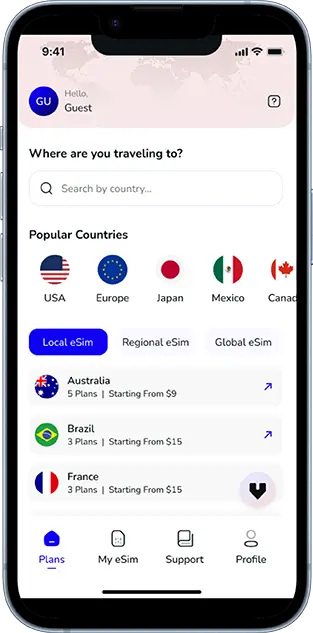
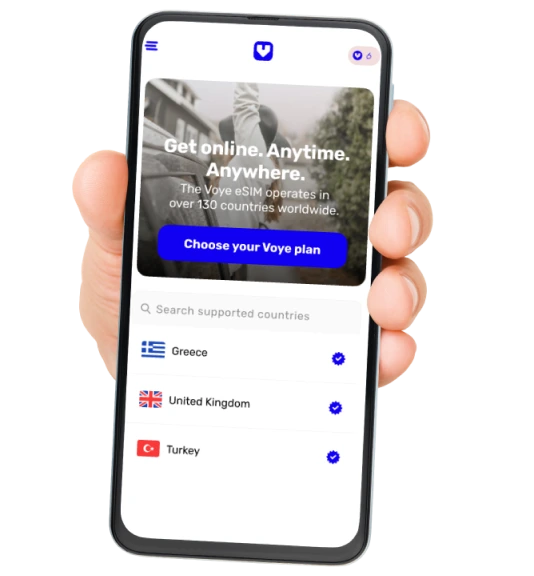
Voye Global eSIM for Europe is becoming popular among international travelers because it provides instant activation and high speed connectivity across multiple European countries.
Voye Global is a telecommunications company offering travelers reliable and affordable data connectivity. Using advanced eSIM technology, it provides global coverage at competitive rates without requiring a physical SIM card. Earlier this type of international connectivity was available mainly to corporations, but now individual travelers can access it directly.
For travelers, this is especially useful because many travel documents today are digital. Boarding passes, visa emails, hotel confirmations, and train QR tickets all require internet access. Reliable data ensures you can always show the required documents when authorities ask.
Where Should You Keep Your Documents?
Follow this smart travel safety strategy:
On your body
- Passport
- Visa
- One credit card
- Some cash
In cabin bag
- Insurance
- Tickets
- Hotel bookings
- Backup copies
Online backup
- All documents scanned
Never keep your passport in checked baggage.
Instant Internet From the Moment You Land
No SIM card shops. No airport queues.
What Happens If You Lose Your Passport in Europe?
Do not panic. Immediately:
- File a police report
- Contact the nearest Embassy of your home country
- Apply for Emergency Certificate
- Provide passport copies and visa copy
This is exactly why carrying photocopies and digital backups is critical.
Extra Travel Tips for Europe
- Keep documents in a waterproof pouch
- Use a neck wallet in crowded cities
- Avoid showing passport unnecessarily
- Carry multiple passport photos
- Save embassy contact details
Final Thoughts
Your Europe trip depends not only on bookings and sightseeing but also on preparation. Having the right documents ensures smooth immigration, hotel check ins, and stress-free travel across Schengen countries.
Before leaving, double check your passport validity, visa, insurance, bookings, and financial proof. Also remember that modern travel relies heavily on internet connectivity. A reliable solution like Voye Global eSIM for Europe helps you access tickets, maps, and emergency contacts instantly without expensive roaming.
Travel smart, stay organized, and you will enjoy Europe exactly the way it is meant to be experienced.

Seamless Mobile Data Everywhere
Voye Global — Your Trusted eSIM Partner for Secure & Reliable Travel.



 English