














Note that iPhone devices from Mainland China aren’t eSIM compatible. Also iPhone devices from Hong Kong and Macao aren’t compatible (except for iPhone 13 Mini, iPhone 12 Mini, iPhone SE 2020 and iPhone XS)
Travel to Europe has long been a dream for many Americans, whether it is strolling through historic cities, experiencing diverse cultures, or indulging in world-renowned cuisine. For decades, U.S. citizens have enjoyed relatively easy access to most European countries without the need for a traditional visa, making international travel convenient and accessible. However, upcoming changes in travel regulations are set to reshape how Americans prepare for trips to Europe starting in 2026.
If you are planning a European getaway in the near future, understanding these new requirements is essential. While the process will remain straightforward, it introduces a new step that travelers cannot ignore. This guide explains everything you need to know about whether Americans will need a visa to visit Europe in 2026, what ETIAS is, how it works, and how to prepare for your next journey.
Understanding the Current Travel Rules for Americans
As of now, U.S. citizens can travel to most European countries within the Schengen Area for short stays without obtaining a visa in advance. This includes trips for tourism, business, or transit lasting up to 90 days within 180 days. Travelers simply need a valid passport and must comply with the entry requirements set by individual countries.
Stay Connected Across Europe
Enjoy seamless data access while traveling across multiple European countries.
The Schengen Area consists of 27 European nations that have abolished internal border controls, allowing for seamless travel between them. Popular destinations like France, Italy, Spain, Germany, and the Netherlands fall under this agreement, making multi-country travel easy and efficient for Americans.
However, while this visa-free access remains in place, the European Union has been working on enhancing border security and improving the screening process for travelers entering the region. This effort has led to the introduction of a new system that will affect U.S. citizens starting in late 2026.
What Is ETIAS and Why Is It Being Introduced?
The European Travel Information and Authorisation System, commonly known as ETIAS, is not a visa. Instead, it is an electronic travel authorization required for visa-exempt travelers entering the Schengen Area. The system is designed to strengthen security by pre-screening travelers before they arrive in Europe.
ETIAS functions similarly to other travel authorization systems used worldwide. It allows authorities to assess potential risks related to security, illegal migration, or public health before granting entry approval. By implementing this system, the European Union aims to streamline border control processes while maintaining a high level of safety.
For American travelers, this means an additional step before departure, but the process is expected to be quick, affordable, and entirely online.
When Will ETIAS Be Required?
The rollout of ETIAS is expected to take place in the fourth quarter of 2026. However, before ETIAS becomes operational, the European Union plans to fully implement the Entry and Exit System, also known as EES. This system will digitally record travelers’ entry and exit data, replacing manual passport stamping.
The EES is anticipated to be in place by April 2026, paving the way for ETIAS to follow shortly after. Once both systems are active, travelers from visa-exempt countries, including the United States, will need ETIAS authorization before entering most European countries.
It is important to note that until ETIAS is officially launched, Americans can continue traveling to Europe under the current visa-free rules.
Do Americans Need a Visa to Travel to Europe in 2026?
The simple answer is no, Americans will not need a traditional visa for short trips to Europe in 2026. However, they will need to obtain an ETIAS authorization before traveling.
This distinction is important. A traditional visa typically involves a more complex application process, including documentation, interviews, and longer processing times. ETIAS, on the other hand, is designed to be a quick and user-friendly online process.
For most travelers, approval will be granted within minutes, making it a convenient addition to trip planning rather than a barrier.
Check out our plans
-

Europe 7 days 3GB
USD 9.00 -
Europe 7 days 5GB
USD 9.00 -
Europe 15 days 5GB
USD 15.00 -
Europe 15 days 6GB
USD 15.00 -
Europe 60 days 15GB
USD 35.00 -

Europe 60 days 20GB
USD 29.00
Key Requirements for ETIAS Authorization
To apply for ETIAS, U.S. citizens will need to meet several basic requirements. These are straightforward and similar to existing international travel standards.
- A valid U.S. passport that is not older than 10 years
- Passport validity for at least three months beyond the planned departure date from Europe
- An email address to receive the authorization
- A valid debit or credit card to pay the application fee
Applicants will also be required to provide personal details, travel information, and answer a few security-related questions.
Cost and Validity of ETIAS
One of the most appealing aspects of ETIAS is its affordability. The application fee is expected to range between 20 and 23 euros for most adult travelers. Minors and certain age groups may be exempt from paying the fee.
Once approved, ETIAS authorization will typically be valid for three years or until the traveler’s passport expires, whichever comes first. During this period, travelers can make multiple trips to Europe, as long as each stay complies with the 90-day limit within a 180-day timeframe.
This flexibility makes ETIAS a practical solution for frequent travelers, eliminating the need to apply before every trip.
How to Apply for ETIAS?
The ETIAS application process will be entirely online, making it accessible and convenient. Travelers will need to visit the official European Union website and complete the application form.
The process generally involves the following steps:
First, applicants fill out a digital form with their personal information, passport details, and travel plans. Next, they answer a set of security and health-related questions. Finally, they pay the application fee and submit the form.
In most cases, approval will be granted quickly, often within minutes. However, travelers are advised to apply at least a few days before their departure in case additional processing is required.
What Countries Require ETIAS?
ETIAS will apply to all Schengen Area countries, as well as a few additional European nations that participate in the system. This includes many of the most popular travel destinations in Europe.
Whether you are planning to visit the romantic streets of Paris, the historic landmarks of Rome, or the scenic landscapes of Switzerland, an ETIAS will be required for entry.
Travelers should always verify whether their destination is part of the ETIAS program before planning their trip.
How ETIAS Changes the Travel Experience?
While ETIAS introduces a new step in the travel process, it is unlikely to significantly impact the overall experience for American travelers. In fact, it may enhance efficiency at border control by reducing wait times and improving security checks.
By pre-screening travelers, authorities can focus on ensuring a smooth and secure entry process. This means fewer surprises at the border and a more predictable travel experience.
For most Americans, the biggest adjustment will simply be remembering to apply for ETIAS before departure.
Tips for a Smooth Trip to Europe in 2026

Planning will be key to ensuring a hassle-free journey under the new system. Here are a few practical tips to keep in mind:
- Apply for ETIAS well in advance of your travel date
- Double-check passport validity requirements
- Keep a digital and printed copy of your authorization
- Stay informed about any updates to European travel regulations
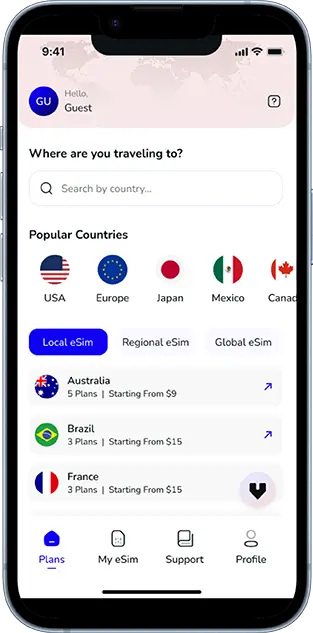
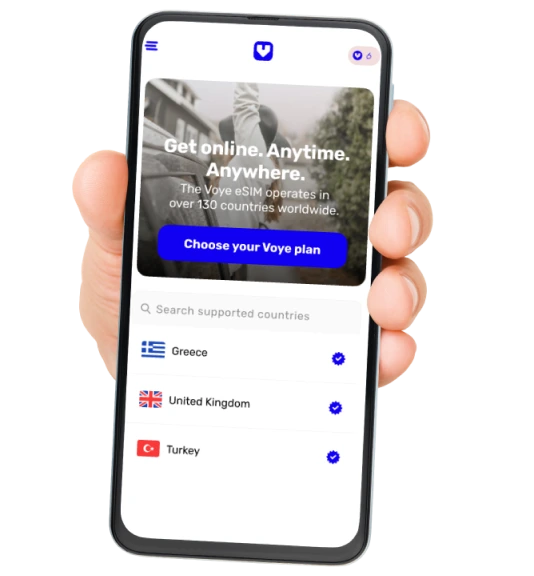
Additionally, staying connected while traveling is essential. Using a reliable eSIM solution can help you navigate, book accommodations, and stay in touch with ease. Voye Global offers convenient eSIM for Europe options tailored for international travelers, ensuring seamless connectivity across multiple European countries without the hassle of physical SIM cards.
Common Misconceptions About ETIAS
As ETIAS approaches its launch, several misconceptions have emerged. One common misunderstanding is that ETIAS is the same as a visa. In reality, it is a travel authorization, not a visa, and involves a much simpler application process.
Another misconception is that ETIAS guarantees entry into Europe. While it allows travelers to board their flight and seek entry, border officials still have the authority to grant or deny access based on their assessment.
Some travelers also believe that ETIAS must be applied for before every trip. However, as mentioned earlier, it remains valid for multiple trips over several years.
Why ETIAS Is Beneficial for Travelers?
Although it may seem like an additional requirement, ETIAS offers several advantages. It enhances security, reduces uncertainty at the border, and aligns Europe with global travel standards.
Coverage Across Countries
Reliable internet for trains, hotels, and navigation across borders easily.
For travelers, this means a safer and more organized travel environment. It also provides peace of mind, knowing that potential issues are addressed before arrival rather than at the border.
Moreover, the quick and affordable application process ensures that ETIAS does not become a burden for travelers.
Preparing for Future Travel to Europe
As international travel continues to evolve, staying informed about new requirements is more important than ever. ETIAS represents a shift toward digital travel authorization systems that prioritize efficiency and security.
Travelers should make it a habit to check entry requirements well before their departure date. This includes understanding visa policies, health regulations, and any additional documentation needed for their destination.
By staying prepared, Americans can continue to enjoy seamless travel experiences across Europe.
Conclusion
In conclusion, Americans will not need a traditional visa to travel to Europe in 2026 for short stays. However, they will be required to obtain an ETIAS authorization before their trip. This new system is designed to enhance security while maintaining the convenience of visa-free travel.
Although it introduces an extra step, the process is simple, affordable, and quick. With proper planning and awareness, travelers can easily adapt to these changes and continue exploring Europe without complications.
As you plan your next European adventure, understanding ETIAS will ensure a smooth and enjoyable journey. By staying informed and prepared, you can focus on what truly matters, making unforgettable memories across one of the most diverse and beautiful regions in the world.

Seamless Mobile Data Everywhere
Voye Global — Your Trusted eSIM Partner for Secure & Reliable Travel.



 English