














Note that iPhone devices from Mainland China aren’t eSIM compatible. Also iPhone devices from Hong Kong and Macao aren’t compatible (except for iPhone 13 Mini, iPhone 12 Mini, iPhone SE 2020 and iPhone XS)
Planning a trip to Canada is an exciting experience, but one of the first questions travelers ask is how much it will cost. Canada is known for its stunning natural landscapes, vibrant cities, and high quality of life, which can sometimes make it seem like an expensive destination. However, the reality is that travel costs in Canada can vary widely depending on your travel style, preferences, and the time of year you visit.
Whether you are a budget backpacker, a mid-range traveler, or someone looking for a luxury getaway, Canada offers options for every kind of traveler. Understanding the average cost of a trip can help you plan better, avoid surprises, and make the most of your travel budget. In this guide, we break down the real costs of traveling in Canada, including accommodation, food, transportation, and daily expenses, while offering practical tips to help you save money.
Average cost of a trip to Canada
On average, a one-week trip to Canada costs approximately $1,900 CAD ($1,400 USD) for one person. For two travelers, the cost doubles to roughly $3,800 CAD ($2,800 USD). This estimate includes mid-range accommodation, meals, local transportation, and sightseeing. If you are planning a longer stay, a two-week trip typically costs around $3,800 CAD ($2,800 USD) per person or $7,600 CAD ($5,600 USD) for two people.
Stay Connected Across Canada
Enjoy seamless data connectivity throughout your Canadian travel journey.
Another way to look at travel expenses is through daily budgets. Most travelers spend between $150 and $300 CAD per day for a mid-range experience. This range provides a comfortable balance between affordability and quality, including decent hotels, restaurant meals, and some paid attractions.
Budget travelers can manage with about $100 CAD per day by staying in hostels, preparing meals, and using public transportation. On the other hand, luxury travelers can easily exceed $300 CAD per day with high-end hotels, fine dining, and premium experiences.
Understanding daily travel budgets
Breaking down your daily expenses can make it easier to estimate your total trip cost. Here is how different travel styles compare in Canada:
- Budget travel: Around $100 CAD per day
- Mid-range travel: $150 to $300 CAD per day
- Luxury travel: $300 CAD or more per day
Budget travelers typically stay in shared accommodations, cook their own meals, and rely heavily on public transportation. Mid-range travelers enjoy private hotel rooms, dine out regularly, and participate in guided tours. Luxury travelers opt for premium hotels, private transportation, and exclusive experiences.
Your final cost will depend heavily on your personal preferences and how you choose to allocate your budget.
Accommodation costs in Canada
Accommodation is often the biggest expense during a trip to Canada. Prices vary depending on the city, location, and type of lodging you choose. Major cities like Vancouver and Toronto are generally more expensive compared to smaller towns or rural areas.
Mid-range hotels and Airbnb options typically cost $200 CAD or more per night. Budget travelers can find hostels, budget motels, or even camping options at much lower prices. Luxury hotels, especially in prime locations, can easily cost $400 CAD or more per night.
If you are traveling during peak tourist seasons, such as summer or holidays, accommodation prices tend to increase significantly. Booking in advance can help secure better deals.
Food and dining expenses
Food costs in Canada can vary depending on where and how you eat. Dining at restaurants in major cities can be relatively expensive, especially if you choose sit-down meals.
While a meal at a mid-range restaurant is typically listed between $30 and $50 CAD, it is important to budget for “hidden” costs like sales tax and tipping. In most provinces, a sales tax of 5% to 15% is added to your bill at the end, rather than being included in the menu price. Additionally, tipping is a standard social expectation for sit-down service, with a gratuity of 15% to 20% of the pre-tax total being the norm.
Reality Check: A meal listed on the menu for $40 can easily become a $52 total expense after a 13% tax and a 17% tip. For those on a tighter budget, quick-service meals (where tipping is optional) range from $12 to $22 CAD, while grocery shopping remains the most effective way to keep your food costs predictable.
If you want to experience Canadian cuisine without overspending, consider mixing restaurant dining with grocery meals. Many travelers choose to have one main meal out each day while preparing the rest themselves.
Transportation costs and getting around
Because Canada is the second-largest country in the world, transportation is often the most underestimated expense. Travelers frequently underestimate the cost of “multi-city” trips; for example, a domestic flight from Toronto to Vancouver can sometimes cost as much as a flight from Toronto to London, UK. While VIA Rail offers a scenic way to see the country, it is typically a luxury or leisure choice rather than a budget one, and is often more expensive than flying.
For city travel, public transit remains affordable and efficient, but for exploring beyond urban centers, a car rental is usually necessary. Keep in mind that gas prices and parking fees in cities like Vancouver and Toronto can be high. To save money, it is best to focus your trip on one specific region (like the Maritimes or the Rockies) rather than trying to cross the entire country in a single visit.
Choosing the right mode of transportation depends on your itinerary and travel priorities.
Check out our plans
-

Canada 7 days 3GB
USD 15.00 -
Canada 10 Days Unlimited Data
USD 29.00 -
Canada 15 days 5GB
USD 22.00 -
Canada 20 Days Unlimited
USD 49.00 -
Canada 30 days 10GB
USD 35.00 -
Canada 30 Days Unlimited
USD 69.00
Sightseeing and activity expenses
Canada offers a wide range of activities, from exploring national parks to visiting museums and enjoying outdoor adventures. Many natural attractions, such as parks and hiking trails, are either free or require a small entrance fee.
City attractions, guided tours, and special experiences can add to your daily expenses. Budgeting for sightseeing is essential, especially if you plan to visit popular attractions or participate in unique experiences.
Travelers who enjoy outdoor activities will find that Canada provides excellent value, as many of its most beautiful destinations are accessible at little to no cost.
Cost differences by location
Location plays a massive role in your overall budget. While Toronto and Vancouver are the most expensive hubs, you can find a “big city” experience for significantly less in Montreal, where accommodation and dining can be 15% to 20% cheaper. If you’re looking for value, provinces like Alberta (which has no provincial sales tax) or the Atlantic provinces offer a more budget-friendly pace.
On the other end of the spectrum, remote northern regions like the Yukon, Northwest Territories, and Nunavut are among the most expensive places to visit. Due to the high cost of flying in supplies and the limited tourist infrastructure, everything from a gallon of milk to a hotel room can cost double the price of what you would pay in the south. For those eyeing luxury fly-in fishing lodges or Arctic tours, these can easily become the most significant investments of your trip.
Understanding regional price differences can help you plan your itinerary more effectively and manage your budget.
One-week vs two-week travel budget
A one-week trip to Canada typically costs between $1,200 and $3,000 CAD per person, depending on your travel style. This aligns closely with the average estimate of $1,398 (CA$1,897) per person.
For a two-week trip, the cost roughly doubles, reaching around $2,796 (CA$3,794) per person. Traveling as a couple can reduce certain costs, such as accommodation, making it more economical per person.
Longer trips may also allow you to take advantage of discounts, slower travel, and better budgeting strategies.
Key factors that influence your trip cost
Several factors can impact how much you spend during your trip to Canada:
- Travel style and preferences
- Time of year and season
- Choice of accommodation
- Dining habits
- Transportation methods
- Number of activities and tours
For example, traveling during peak summer months can increase costs significantly, while visiting during the shoulder season can offer better deals and fewer crowds.
Instant Data Anywhere in Canada
Activate fast internet instantly and explore Canada stress-free.
Smart tips to save money in Canada
Saving money while traveling in Canada is possible with a few smart strategies. One of the best ways to reduce costs is by traveling during the shoulder seasons, such as late April to May or September to October. During these months, prices are often lower, and destinations are less crowded.
Cooking your own meals can also make a big difference in your budget. Groceries are generally more affordable than eating out every day. Using public transportation instead of renting a car can further reduce expenses.
Another effective way to save is by taking advantage of free activities. Canada is rich in natural beauty, and many of its best attractions, including parks, lakes, and scenic viewpoints, are free to explore.
Staying connected while traveling
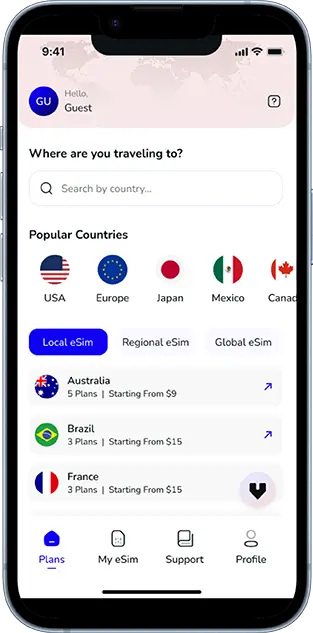
Staying connected during your trip is essential for navigation, bookings, and communication. Instead of relying on expensive international roaming, many travelers now prefer using an eSIM for Canada. It offers a convenient and cost-effective way to access mobile data without the hassle of physical SIM cards.
For seamless connectivity, Voye Global provides reliable eSIM solutions that help travelers stay online throughout their journey. This is particularly useful when navigating cities, accessing travel apps, or staying in touch with family and friends.
Is Canada an expensive destination?

Canada is often considered an expensive travel destination, but it does not have to be. With careful planning and smart budgeting, you can enjoy a memorable trip without overspending.
Compared to other developed countries, Canada offers a wide range of options for different budgets. While cities can be costly, the abundance of free and low-cost natural attractions helps balance overall expenses.
Travelers who plan, choose accommodations wisely, and manage daily spending can experience Canada comfortably within their budget.
Final thoughts on budgeting your Canada trip
Understanding the average cost of a trip to Canada is the first step toward planning a successful journey. Whether you are traveling for one week or two, having a clear idea of your expenses allows you to make informed decisions and avoid unnecessary stress.
By considering factors such as accommodation, food, transportation, and activities, you can create a realistic budget that aligns with your travel goals. Canada offers incredible experiences for every type of traveler, and with the right approach, you can enjoy everything it has to offer without breaking the bank.
Ultimately, the cost of your trip depends on your choices and priorities. With proper planning, flexibility, and a few money-saving strategies, your dream trip to Canada can become both affordable and unforgettable.

Seamless Mobile Data Everywhere
Voye Global — Your Trusted eSIM Partner for Secure & Reliable Travel.




 English