














Note that iPhone devices from Mainland China aren’t eSIM compatible. Also iPhone devices from Hong Kong and Macao aren’t compatible (except for iPhone 13 Mini, iPhone 12 Mini, iPhone SE 2020 and iPhone XS)
International travel has changed dramatically in recent years. Travelers no longer rely solely on airport SIM kiosks, expensive roaming packs, or unstable hotel Wi-Fi. eSIM technology has made staying connected across borders easier, faster, and often much cheaper. What was once a premium feature reserved for flagship smartphones is now available on many budget and midrange devices.
This in-depth guide explores the best budget eSIM phones for international travelers, explains how eSIM works, shows what features matter most for travel, and helps you choose a reliable yet affordable device without overspending. This article is written for travelers, digital nomads, students, backpackers, and anyone who wants a simple and cost-effective way to stay online abroad.
What is eSIM and why it matters for international travelers
An eSIM, or embedded SIM, is a digital SIM that is built directly into your smartphone. Instead of inserting a physical SIM card, you download a mobile plan digitally by scanning a QR code or using an app. Once activated, the eSIM works just like a regular SIM but without any physical component.
For international travelers, this technology offers several practical advantages.
First, convenience. You can activate a mobile data plan in minutes, sometimes even before boarding your flight. There is no need to search for a SIM store after landing, wait in line, or struggle with language barriers.
Second, flexibility. Most eSIM compatible phones support dual SIM functionality. This means you can keep your home SIM active for calls or banking messages while using a local or regional eSIM for affordable data.
Third, cost savings. International roaming charges from home carriers can be extremely expensive. eSIM travel plans or local eSIMs usually cost far less and offer transparent pricing.
Finally, reliability. eSIMs reduce the risk of losing tiny physical SIM cards, damaging SIM trays, or dealing with incompatible sizes.
Why budget eSIM phones are a smart travel investment
Until recently, eSIM support was limited to premium smartphones. That has changed. Many budget and midrange phones now support eSIM, making international connectivity accessible without paying flagship prices.
Budget eSIM phones are ideal for travelers because they offer:
- Lower upfront cost, reducing risk if the phone is lost or damaged
- Sufficient performance for navigation, messaging, video calls, and travel apps
- Long battery life for full day sightseeing
- Unlocked compatibility for international networks
- Dual SIM options for home and travel numbers
For many travelers, a budget eSIM phone is not just a backup device but a primary travel companion.
Key features to look for in a budget eSIM phone for travel
Not all affordable smartphones are good travel phones. When choosing a budget eSIM phone, focus on these essential features.
Confirmed eSIM support
This is the most critical factor. Some phones only support eSIM in specific regions or through certain carriers. Always verify that the exact model and variant you are buying supports eSIM and is not restricted.
Unlocked device
An unlocked phone allows you to use eSIMs and physical SIMs from different providers worldwide. Avoid carrier-locked devices, even if they are cheaper.
Dual SIM functionality
The ability to use both a physical SIM and an eSIM at the same time is extremely useful. It allows you to keep your main number active while using affordable data abroad.
Battery life
Travel days can be long. A phone with strong battery life ensures you can navigate, translate, book transport, and communicate without constantly searching for power outlets.
Global network band support
Make sure the phone supports common 4G and 5G bands used internationally. This ensures better coverage and faster speeds in different countries.
Software updates and security
Budget phones from brands that provide long-term software and security updates are safer for travel. You may be using banking apps, payment apps, and personal accounts while abroad.
Durability
Basic water resistance, sturdy build quality, and reliable screens help your phone survive travel conditions like rain, crowds, and long days on the move.
Best budget eSIM phones for international travelers
Below are some of the best affordable smartphones that support eSIM and are well suited for international travel. These devices balance price, reliability, and travel-friendly features.
Google Pixel 9a
The Pixel a series has consistently been one of the best choices for travelers, and the Pixel 9a continues that legacy. It combines clean Android software, dependable performance, and strong eSIM support at a midrange price.
Why it is great for travel
- Built-in and reliable eSIM support
- Dual SIM functionality with physical SIM and eSIM
- Excellent battery optimization
- Strong camera for travel photography
- Regular security and Android updates
Who should buy it
Travelers who want a dependable Android phone with guaranteed eSIM support, excellent software experience, and long-term updates without paying flagship prices.
Samsung Galaxy A54 5G
The Galaxy A54 is one of the most popular midrange phones worldwide. In many regions, it supports eSIM and offers a solid balance of features, design, and performance.
Why it is great for travel
- eSIM support in many international markets
- Dual SIM capability depending on variant
- Large and vibrant display for maps and media
- Good battery life for daily travel use
- Water resistance, which is rare in budget phones
Who should buy it
Travelers who prefer Samsung’s interface, want wide global availability, and need a durable phone for extended trips.
iPhone SE (3rd generation)
For travelers who prefer iOS, the iPhone SE (3rd generation) remains the most affordable way to access Apple’s eSIM ecosystem. Despite its older design, it offers strong performance and dependable connectivity.
Why it is great for travel
- Full eSIM support with smooth activation
- Compact and lightweight design
- Strong performance for everyday tasks
- Long software support lifespan
- Seamless integration with Apple services
Who should buy it
Travelers who want a small, affordable iPhone with reliable eSIM support and long-term updates.
Motorola Edge 30 series
Several phones in the Motorola Edge 30 lineup offer eSIM support depending on the region. These phones are known for their clean Android interface and balanced hardware.
Why it is great for travel
- Competitive pricing
- Near-stock Android experience
- Lightweight and comfortable to carry
- Good battery performance
- eSIM support on select models
Who should buy it
Travelers looking for a clean Android experience with solid performance and eSIM support at a reasonable price.
Sony Xperia 10 IV
The Xperia 10 IV is a compact midrange phone that appeals to travelers who prefer smaller devices. In select markets, it supports eSIM and offers excellent battery efficiency.
Why it is great for travel
- Compact and pocket-friendly
- Long battery life despite smaller size
- Lightweight for walking and sightseeing
- eSIM support in certain regions
Who should buy it
Travelers who dislike large phones and want something easy to handle while exploring cities.
Older but still valuable budget options
Some slightly older models remain excellent choices, especially if found at discounted prices.
Examples include:
- Pixel 6a
- Samsung Galaxy A53
- Selected Xiaomi and OPPO midrange phones with eSIM support
These devices still offer solid performance, good cameras, and reliable connectivity for international travel, provided they continue receiving security updates.
How to check eSIM compatibility before buying
Before purchasing any phone for travel, follow these steps to avoid disappointment.
- Check the official product specifications for your exact model
- Confirm that the phone is unlocked and not tied to a carrier
- Verify that eSIM is supported in your country and in the countries you plan to visit
- Look for eSIM options in the phone’s SIM or network settings
- If buying second-hand, ask the seller to show the eSIM settings screen
How to prepare your eSIM phone before traveling
Preparation is key to a smooth travel experience.
- Set up your phone fully before departure
- Install travel apps such as maps, translation, airline, and banking apps
- Update the operating system and security patches
- Decide whether to install an eSIM plan before travel or upon arrival
- Set default data preferences to avoid roaming charges
Some travelers prefer installing an eSIM before departure for peace of mind, while others wait to buy a local plan for better pricing.
Managing dual SIM settings while abroad
Most eSIM phones allow you to choose which SIM handles data, calls, and messages.
Best practice for travel:
- Use the eSIM for mobile data
- Keep your home SIM active for calls and verification messages
- Disable data roaming on your home SIM
- Set data usage limits to avoid unexpected charges
This setup ensures you stay connected without overspending.
Avoiding common roaming and billing mistakes
Even with eSIM, mistakes can happen. Avoid these common issues:
- Forgetting to disable data roaming on your home SIM
- Assuming all eSIM plans include voice calls
- Ignoring fair usage limits on unlimited plans
- Using streaming apps heavily without monitoring data usage
Always review your plan details and monitor usage through phone settings.
Buying second-hand budget eSIM phones for travel
Second-hand phones can save money, but caution is required.
- Ensure the phone is fully unlocked
- Confirm eSIM functionality works properly
- Remove all previous eSIM profiles
- Perform a factory reset before use
- Check battery health if possible
Buying from reputable sellers or refurbished programs reduces risk.
Choosing the right eSIM plan for your trip
Different trips require different plans.
Short trips:
- Smaller data packages
- Country-specific or regional plans
- Easy QR activation
Long trips:
- Larger data allowances
- Multi-country regional plans
- Options for renewal or top-ups
Urban travel generally uses more data due to navigation and social media, while rural travel may rely more on offline maps.
Final thoughts on choosing a budget eSIM phone for travel
You no longer need an expensive flagship phone to enjoy the benefits of eSIM while traveling internationally. Budget and midrange smartphones now offer reliable eSIM support, long battery life, and performance that easily handles travel needs.
If you want the safest all-around choice, a Pixel series phone remains one of the best options. If you prefer Samsung, the Galaxy A series offers excellent value. For iOS users, the iPhone SE provides a compact and affordable entry point.
The most important rule is simple: always confirm eSIM compatibility for the exact model you are buying. With the right phone and a bit of preparation, you can travel confidently, stay connected everywhere, and avoid unnecessary roaming costs.
International travel should be about experiences, not connectivity problems. A budget eSIM phone makes that possible.

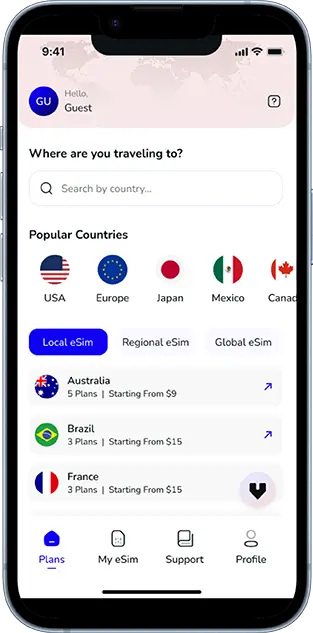
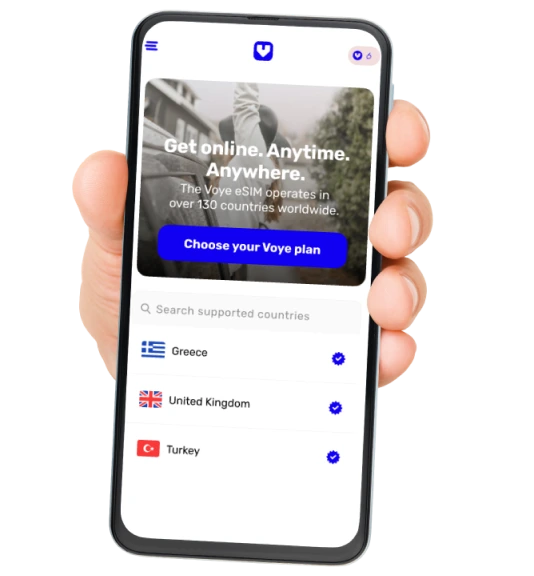
Seamless Mobile Data Everywhere
Voye Global — Your Trusted eSIM Partner for Secure & Reliable Travel.



 English