














Note that iPhone devices from Mainland China aren’t eSIM compatible. Also iPhone devices from Hong Kong and Macao aren’t compatible (except for iPhone 13 Mini, iPhone 12 Mini, iPhone SE 2020 and iPhone XS)
Traveling through Europe is a dream for many, and for good reason. The continent offers an unmatched combination of history, culture, landscapes, cuisine, and connectivity. One of Europe’s greatest strengths is how easy it is to move from one destination to another, often across borders, languages, and cultures in just a few hours.
The challenge for most travelers is not whether Europe is easy to explore, but which mode of transport works best for their goals, budget, and travel style. There is no single “best” way that fits everyone; the ideal approach depends on your trip length, the countries you’re visiting, and your comfort expectations.
To better understand common planning hurdles, costs, and connectivity issues, this Europe travel challenges and tips guide offers helpful context that supports choosing the best option for your trip.
Traveling Europe by Train: The Classic and Most Iconic Choice
For many travelers, trains represent the heart of European travel. Rail networks are extensive, reliable, and designed to connect city centers directly. You can board a train in downtown Paris and step off in the heart of Amsterdam, Rome, or Vienna without ever needing airport transfers.
Stay Connected Seamlessly
Reliable data across borders without roaming or SIM hassles.
Why Trains Are So Popular in Europe
European trains are known for comfort and speed. High-speed rail often makes train travel faster door-to-door than flying because you avoid long security lines and distant airports.
- Scenic Journeys: Enjoy views of the Alps or the Mediterranean coast that are impossible to see from the air.
- The Night Train Revival: In 2026, the resurgence of night trains offers a smart way to save time. New sleeper routes, such as the European Sleeper or ÖBB Nightjet, allow you to travel while you sleep, effectively combining your transport and accommodation.
When Trains Make the Most Sense
Trains are ideal for short to medium distances, especially within Western and Central Europe. Routes such as Paris to Amsterdam, Rome to Florence, Barcelona to Madrid, and Munich to Vienna are fast, frequent, and well served. Train travel also suits travelers who prefer predictable schedules and minimal logistics.
Many visitors choose passes such as the Eurail Pass, which allows flexible travel across multiple countries for a set number of days. This can be cost-effective for travelers covering many destinations in a short time, especially those coming from outside Europe.
Limitations to Consider
While trains are excellent, they are not always the cheapest option. High-speed trains often require seat reservations, which can add extra fees. In parts of Eastern Europe and the Balkans, rail networks may be slower or less frequent. Planning helps avoid surprises and ensures you get the best value.
Flying Within Europe: Best for Long Distances

Europe is home to some of the world’s most competitive low-cost airlines, making flying an attractive option for covering large distances quickly. Traveling from Portugal to Poland or from Spain to Greece is often easiest by air.
Advantages of Flying
Flights are the fastest way to cross Europe’s wider geography. Budget airlines frequently offer low fares, sometimes cheaper than trains for long routes. Flying allows travelers to include distant regions in one itinerary without sacrificing too much time.
Flights are especially useful when combining Northern, Southern, and Eastern Europe in a single trip. For example, flying between Scandinavia and Southern Europe can save days of overland travel.
Things to Watch Out For
While flight times may be short, airports are usually located outside city centers. You need to factor in transport to and from the airport, security screening, and baggage policies. Many budget airlines charge extra for carry-on and checked luggage, seat selection, and even check-in.
Flying is also the least scenic and least environmentally friendly option. For travelers focused on sustainability or cultural immersion, trains may be preferable when feasible.
Keep in mind that some short-haul flights are being phased out in favor of sustainability. For example, France has banned domestic flights on routes where a train alternative takes under 2.5 hours (such as Paris to Lyon or Bordeaux). Always check if a high-speed train is the only option for these shorter legs.
Travel Europe Smarter
Navigate, book, and explore easily with instant mobile data.
Traveling Europe by Bus: The Budget Champion
For travelers prioritizing affordability, buses are often the cheapest way to get around Europe. Companies like FlixBus have transformed long-distance bus travel with modern fleets, online booking, and extensive route coverage.
Why Buses Are So Affordable
Bus companies operate on a low-cost model, offering fares that can be dramatically cheaper than trains or flights. It is not uncommon to find tickets for just a few euros, especially when booking in advance or traveling during off-peak hours. Buses also allow generous luggage allowances compared to budget airlines.
Who Should Consider Bus Travel
Bus travel is ideal for students, backpackers, and travelers with flexible schedules. It works well for last-minute trips when train fares have increased, or flights are sold out. Buses also serve smaller towns and cities that may not be well connected by rail.
Many buses now include WiFi, power outlets, and reclining seats, making them more comfortable than many travelers expect. Overnight buses can also save on accommodation costs, although comfort varies by route.
Downsides of Bus Travel
The biggest drawback is time. Buses are slower than trains and can be affected by traffic, weather, or border delays. Comfort is generally lower for long journeys, and overnight trips may be tiring. For travelers on tight schedules, buses may feel inefficient despite their low cost.
Traveling Europe by Car: Freedom and Flexibility

Renting a car offers a level of freedom that public transport cannot always match. It allows you to explore rural regions, small villages, mountain roads, and coastal routes that are difficult to reach by train or bus.
When a Car Makes Sense
Car travel is ideal for countryside exploration, wine regions, national parks, and islands. It works particularly well in places like the Scottish Highlands, rural France, Tuscany, the Balkans, and parts of Spain and Portugal. For groups or families, splitting rental costs can make driving economical.
A car also provides flexibility for travelers who prefer spontaneous stops and custom routes rather than fixed schedules.
Challenges of Driving in Europe
Driving in European cities can be stressful. Parking is often expensive or limited, traffic rules vary by country, and many streets are narrow or restricted. Manual transmissions are common, and automatic cars can cost more to rent.
Fuel, tolls, parking fees, and cross-border charges can add up quickly. For city-focused itineraries, a car often becomes more of a burden than a benefit.
If you’re driving, be aware of Low Emission Zones (LEZ). By 2026, hundreds of cities – including London, Paris, Brussels, and Milan – restrict or charge older, high-emission vehicles to enter city centers. Ensure your rental car meets local standards and has the required digital registration or physical stickers (like France’s ‘Crit’Air’) to avoid steep automated fines.
Mixing Transportation Methods: The Smartest Strategy
For most travelers, the best way to travel in Europe is not choosing one mode of transport but combining several. This approach balances cost, comfort, and time while maximizing what you can see.
A common strategy is to fly between distant regions, then rely on trains and buses for shorter distances. For example, you might fly from London to Rome, use trains to explore Italy, take a bus to Slovenia, and then continue by train into Austria and Germany.
This method works especially well when planning routes around trending destinations featured in the best European cities to travel in 2026, allowing you to adapt your travel style to each region rather than forcing one solution everywhere.
Check out our plans
-

Europe 7 Days Unlimited
USD 15.00 -
Europe 10 Days Unlimited
USD 19.00 -
Europe 15 days 5GB
USD 15.00 -
Europe 20 Days Unlimited
USD 32.00 -
Europe 30 days 10GB
USD 19.00 -

Europe 60 days 20GB
USD 30.00
Planning Tools and Practical Tips
- Mandatory Travel Authorization (ETIAS): Starting in the last quarter of 2026, the EU is scheduled to launch the ETIAS (European Travel Information and Authorization System). This digital authorization will be required for visa-exempt travelers (including those from the US, UK, and Canada). It links to your passport and is valid for several years. It is highly recommended to apply online through the official portal before your trip for a smooth entry.
- Use smart navigation apps: Apps like Google Maps make European travel easier by providing route planning, public transit schedules, and walking directions. Downloading maps for offline use is especially helpful when navigating unfamiliar cities or areas with limited connectivity.
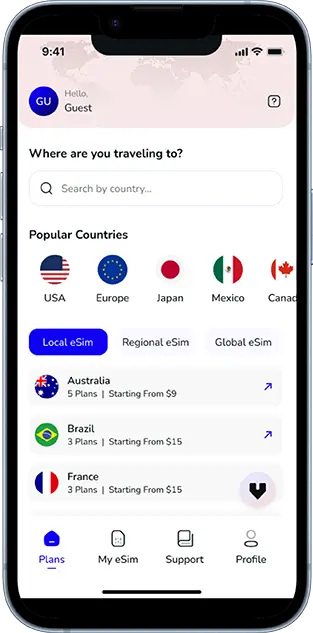
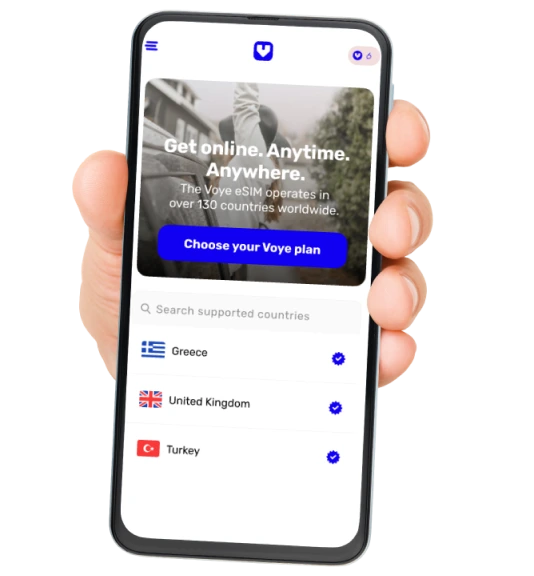
- Stay connected across borders: Reliable mobile data is essential for bookings, translations, ride pickups, and emergencies while moving between countries. Many travelers opt for regional solutions like Voye Global’s eSIM for Europe to stay connected seamlessly without dealing with physical SIM cards or unexpected roaming issues.
- Book early, but stay flexible: Booking trains, buses, or flights in advance often saves money, especially during peak seasons. At the same time, leaving some flexibility in your itinerary can open the door to spontaneous trips and memorable experiences.
Choosing the Best Way to Travel Europe for You
The best way to travel in Europe depends on what you value most. If you love scenic journeys and city centers, trains are hard to beat. If you are traveling on a tight budget, buses offer unbeatable value. If time is limited and distances are large, flights make sense. If you want freedom and access to remote areas, a car is the right choice.
Europe rewards travelers who plan thoughtfully but remain flexible. By understanding the strengths and limitations of each transport option, you can design an itinerary that fits your pace, budget, and sense of adventure.
Whether you are hopping between capitals, wandering through villages, or crossing borders just for lunch, Europe’s transportation network makes the journey as rewarding as the destination.

Seamless Mobile Data Everywhere
Voye Global — Your Trusted eSIM Partner for Secure & Reliable Travel.



 English