











Note that iPhone devices from Mainland China aren’t eSIM compatible. Also iPhone devices from Hong Kong and Macao aren’t compatible (except for iPhone 13 Mini, iPhone 12 Mini, iPhone SE 2020 and iPhone XS)
Germany is a land of deep forests, medieval towns, efficient cities, and food that feels designed for long conversations. The challenge is not finding things to do. It is deciding when to do them.
The same street in Germany can feel lively, overwhelming, peaceful, or almost empty depending entirely on the month you visit. From Alpine villages to club-heavy city weekends, timing quietly shapes prices, crowds, and how smoothly each day unfolds.
Before booking flights or hotels, understanding Germany’s seasonal rhythm makes every other decision easier.
Where Staying Makes the Biggest Difference
Where you stay in Germany often matters more than how much you pay. Cities are well connected, but choosing the right neighborhood can reduce daily travel time and make evenings more relaxed.
In larger cities, staying slightly outside the historic center often offers better value while remaining well connected by public transport. Areas near major train lines or metro hubs make early starts and late returns easier. During peak seasons or festival periods, booking accommodation close to transport becomes especially important, as availability fills quickly.
Smaller cities and towns are easier to navigate on foot, making central stays more practical year-round.
How Getting Around Germany Actually Works?
Germany’s transport system is reliable, but it rewards planning. Trains are the fastest way to move between cities, while local metro, tram, and bus networks handle daily movement efficiently.
During busy months, checking platform changes and delays in real time helps avoid unnecessary stress. Many travelers rely on mobile access for navigation, ticket confirmations, and schedule updates, especially when plans change unexpectedly.
Walking remains one of the best ways to explore German cities, particularly in spring and autumn when distances feel shorter and the pace stays comfortable.

Germany Does Not Feel the Same All Year
Germany rewards travelers who plan around seasons instead of fixed expectations.
Summer delivers long daylight hours and open-air energy but also brings peak crowds and higher prices. Winter slows everything down, offering quieter streets and lower costs outside the holiday season. Spring and autumn sit between these extremes, offering balance without compromise.
Connectivity also matters more than expected. Many travelers now rely on mobile access for navigation, train changes, and reservations, especially when moving between cities.
Stay Connected in Germany
Enjoy easy travel with instant data for smooth navigation everywhere.
Germany Does Not Feel the Same All Year
Germany rewards travelers who plan around seasons instead of fixed expectations.
Summer delivers long daylight hours and open-air energy but also brings peak crowds and higher prices. Winter slows everything down, offering quieter streets and lower costs outside the holiday season. Spring and autumn sit between these extremes, offering balance without compromise.
Connectivity also matters more than expected. Many travelers now rely on mobile access for navigation, train changes, and reservations, especially when moving between cities.
The Months That Quietly Get Everything Right
For most travelers in 2026, April to May and September to October offer the most comfortable experience across Germany.
These months combine pleasant weather, manageable crowd levels, and better availability for accommodation and transport. Walking-heavy days feel easier, museums are less congested, and trains feel calmer.
Summer looks ideal on paper, but shoulder months often feel better in practice.
Spring and Autumn Are the Traveler Favorites
Spring introduces longer days and lighter crowds, though weather can shift quickly. Autumn begins warm and colorful, then gradually cools, offering ideal conditions for sightseeing and city exploration.
These seasons make daily planning easier and allow more spontaneous decisions, especially when moving between cities.

Spring and Autumn Are the Traveler Favorites
Spring introduces longer days and lighter crowds, though weather can shift quickly. Autumn begins warm and colorful, then gradually cools, offering ideal conditions for sightseeing and city exploration.
These seasons make daily planning easier and allow more spontaneous decisions, especially when moving between cities.
Winter Is Quiet, Except When It Isn’t
From November to February, Germany feels more local. Museums, cafés, and neighborhoods take center stage, and prices drop outside the holidays.
December breaks the calm with Christmas markets across the country. January and February return to quieter streets, though short daylight hours limit outdoor plans.
Travel Smarter This Year
Access fast coverage that keeps your trip organized and stress free.
Berlin Moves Best Outside the Rush
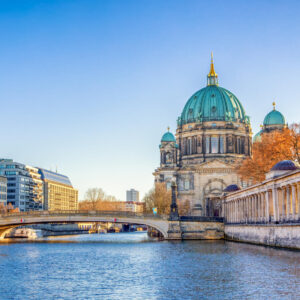
Berlin is most comfortable to explore during spring and early autumn, when the city remains active without peak-season pressure. Streets are less congested, museum queues are shorter, and moving between neighborhoods feels easier. These months allow travelers to experience Berlin’s culture, history, and nightlife without the intensity of summer crowds.
When Berlin Feels Most Comfortable
Berlin shines during April to May and September to October. The city stays active without peak-season pressure, making museums, walking routes, and nightlife easier to enjoy.
Summer brings festivals and crowds. Winter is grey and affordable, except during the Christmas period when tourism spikes.
Berlin rewards travelers who pack layers and stay flexible.
Munich Has Its Own Travel Calendar
Munich follows a rhythm that is noticeably different from the rest of Germany. While weather still matters, the city’s atmosphere changes most dramatically around major events, particularly Oktoberfest.
Early autumn is when Munich feels most balanced. Late August and early September offer warm days, manageable crowds, and easier movement around the city before festival season fully takes over. During this period, sightseeing, day trips, and neighborhood exploration feel unhurried.
From mid-September into early October, Oktoberfest reshapes the city. Accommodation fills quickly, transport becomes busier, and daily routines adjust around the festival schedule. Visitors during this time should plan well ahead and expect a lively, crowded environment.
Winter brings a quieter pace, aside from the Christmas market period. Spring returns Munich to a relaxed rhythm, making it a comfortable time for walking, museums, and local experiences without seasonal pressure.
When Munich Feels Like Munich
Munich’s rhythm is shaped by Oktoberfest. Early September or October after the festival offers pleasant weather with fewer visitors. Spring also works well for exploring the city.
Late September and early October transform Munich entirely. Accommodation prices rise, transport fills quickly, and advance planning becomes essential.

Oktoberfest Runs on Its Own Rules
Despite the name, Oktoberfest begins in mid-September and ends in early October. Mornings and weekdays are calmer, while evenings and weekends draw heavy crowds.
Booking accommodation early and arriving earlier in the day improves the experience significantly.
Sightseeing Is Easier Before Summer Peaks
Late spring and early autumn consistently deliver the smoothest sightseeing days. Attractions feel accessible, queues are shorter, and prices are more reasonable.
April, May, and October offer a balance of comfort and flexibility across Germany.
When Germany Is Most Affordable
January is typically the cheapest month to visit Germany, excluding winter sports regions and holiday travel. Fewer tourists mean better deals on accommodation and flights.
Summer is the most expensive season due to demand, not weather alone.
Weather Changes Faster Than Most Expect
Germany’s climate is mild but varied. Summers are warm with occasional rain, winters are cold and grey, and shoulder seasons can change quickly.
Southern regions warm earlier and cool later. Eastern areas experience harsher winters. Summer rain often arrives as short afternoon storms rather than full-day downpours.
Explore Germany With Ease
Use reliable data to discover cities, routes, and hidden experiences.
Festivals Change How Cities Feel
Festivals in Germany are not background events. They reshape entire cities.
- Oktoberfest dominates Munich
- Christmas markets fill town squares nationwide
- Spring fairs and cultural festivals draw regional crowds
Knowing festival dates helps avoid unexpected price jumps and limited availability.
What Becomes Important After Booking?
1. Daily Costs by Season
Readers often want to understand how timing affects spending, not just crowds.
What you can cover:
- How accommodation prices shift by season
- Dining and transport cost differences
- Why shoulder months feel better value overall
2. How Far Ahead to Book Based on Month
This helps travelers plan realistically.
What you can include:
- Summer and festival booking windows
- Shoulder season flexibility
- When last-minute bookings still work
3. How Long to Stay in Each City
This adds clarity to itinerary planning.
You could mention:
- Berlin feels best with 3–4 days
- Munich works well as a 2–3 day stop
- Smaller cities as day trips vs overnight stays
4. Day Trips That Work Best by Season
This expands beyond cities without bloating the article.
Examples:
- Spring and autumn countryside trips
- Summer lake and alpine escapes
- Winter indoor cultural day trips
Experience-Focused Additions
5. What First-Time Visitors Often Underestimate
This humanizes the blog.
Topics could include:
- Walking distances in cities
- How early things close outside summer
- How seasonal daylight affects plans
6. Traveling Solo vs With Family by Season
This helps different traveler types.
You could briefly touch on:
- Summer crowds with families
- Shoulder seasons for solo travel
- Winter travel pacing

Quick Things That Save Time Later
7. Seasonal Packing Mistakes to Avoid
A short checklist-style section works well.
8. When Plans Change and How to Adjust
This fits naturally with your navigation and connectivity sections.
9. How Germany Feels Emotionally by Season
This is unique and memorable.
Examples:
- Summer feels social and busy
- Spring feels optimistic
- Autumn feels calm and reflective
- Winter feels slower and quieter
Your Trip Made Simple
Keep maps, bookings and translations ready with stable mobile service.
Staying Connected Makes Timing Easier to Handle
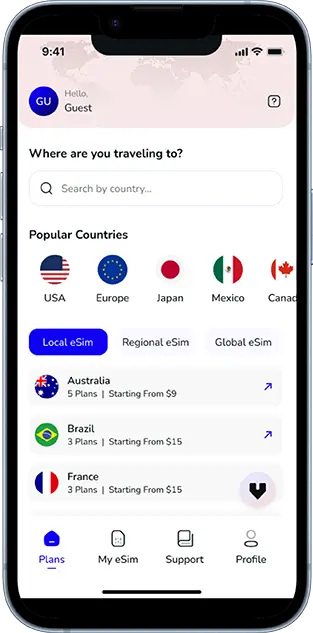
Navigation apps, train updates, and reservations become more important during busy seasons. Many travelers now activate a Prepaid Travel eSIM for Germany before arrival, so connectivity works immediately without relying on public Wi-Fi or searching for local SIM cards.
Check out our plans
-
Germany 10 Days Unlimited Data
USD 17.00 -
Germany 15 Days 8GB
USD 13.00 -
Germany 20 Days Unlimited Data
USD 29.00 -
Germany 15 Days Unlimited Data
USD 23.00 -
Germany 3 Days Unlimited Data
USD 6.00 -
Germany 30 Days 15GB
USD 16.00 -
Germany 30 days 25GB
USD 25.00 -
Germany 7 Days 5GB
USD 9.00 -
Germany 7 Days Unlimited Data
USD 13.00 -
Germany 30 Days Unlimited Data
USD 39.00
Why Travelers Quietly Choose Voye Global?
Travel across Germany often involves frequent movement between cities, real-time schedule changes, and navigation through large transport hubs. In these moments, dependable mobile access becomes part of staying oriented rather than a separate task to manage.
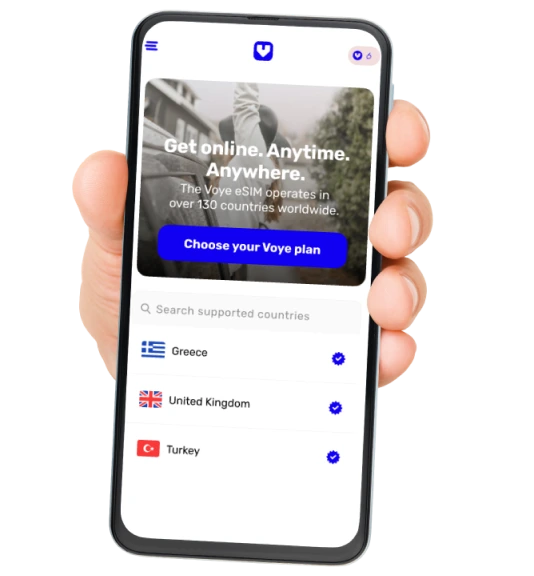
Voye Global provides eSIM services that allow travelers to stay connected without needing physical SIM cards or relying on public Wi-Fi. With connectivity active from arrival, common tasks like checking train platforms, updating routes, or coordinating plans become easier to handle throughout the day.
For travelers who prefer fewer setup steps and more predictability, using an eSIM removes one layer of uncertainty from the journey. That sense of readiness can make travel days feel smoother, especially during busy seasons or multi-city trips across Germany.
Traveling through Germany in 2026 is thrilling, whether you are exploring historic towns, hopping between major cities, or discovering local food scenes. While planning your trip, you can explore fun things to do in Germany to find experiences that match your interests.
Because plans rarely stay fixed
Germany travel often involves moving between cities quickly. When schedules change, reliable data makes adapting easier.
Because one setup works everywhere
Voye Global supports consistent connectivity across regions, helping travelers navigate smoothly whether visiting during festival season or quieter months.
The Real Advantage Is Matching the Month to Your Style
Germany offers something every month. The difference lies in how crowded, calm, expensive, or flexible the experience feels.
Choosing the right timing does not change Germany itself. It changes how easily everything else falls into place.

Seamless Mobile Data Everywhere
Voye Global — Your Trusted eSIM Partner for Secure & Reliable Travel.



 English