











Note that iPhone devices from Mainland China aren’t eSIM compatible. Also iPhone devices from Hong Kong and Macao aren’t compatible (except for iPhone 13 Mini, iPhone 12 Mini, iPhone SE 2020 and iPhone XS)
January is one of the most magical months to witness the Northern Lights. With long, dark nights, snow-covered landscapes, and peak aurora activity windows, this is when the Arctic truly comes alive. For travelers willing to brave the cold, January offers some of the highest chances of seeing the aurora borealis dancing across the sky.
Because many Northern Lights destinations are remote and weather-dependent, staying connected is not just convenient, it’s essential. This is where Voye Global plays a crucial role, enabling travelers to access real-time aurora forecasts, weather updates, navigation, and emergency services through a seamless international eSIM experience.
Why January Is Ideal for Northern Lights Viewing?
January sits at the heart of the aurora season across the Northern Hemisphere. Locations near and above the Arctic Circle experience extended darkness, sometimes with only a few hours of daylight, which significantly increases aurora visibility windows.
Cold temperatures also contribute to clearer skies in many regions, especially inland areas. Snow-covered terrain enhances the visual experience, reflecting auroral light and creating striking photographic conditions. While the cold can be intense, the reward is a higher probability of sightings and fewer daylight distractions.
Planning a Northern Lights trip this January?
Stay prepared in remote Arctic regions with Voye Global’s eSIM, giving you instant access to aurora forecasts, weather updates, and navigation, wherever your journey takes you.
Planning a Northern Lights Trip: What You Need to Know
Successful aurora trips depend on three main factors: darkness, clear skies, and solar activity. While solar storms cannot be controlled, travelers can improve their chances by choosing destinations with favorable microclimates and staying flexible.
Most prime aurora locations are far from major cities, often requiring long drives or guided tours into wilderness areas. Reliable internet access is vital for checking cloud cover maps, aurora alert apps, road conditions, and tour updates—especially when plans change at short notice.
This is where an international eSIM for travel like Voye Global becomes invaluable. With instant activation and consistent data coverage across multiple countries, travelers avoid the hassle of physical SIM cards and unreliable Wi-Fi in extreme conditions.
Best Northern Lights Destinations to Visit in January

Tromsø, Norway
Often referred to as the “Gateway to the Arctic,” Tromsø is one of the world’s most popular aurora destinations. Located well above the Arctic Circle, the city offers excellent infrastructure while remaining close to untouched wilderness.
January brings peak aurora darkness, with guided tours running nightly to nearby dark-sky areas such as the Lyngen Alps and Senja Island. Tromsø is ideal for first-time aurora chasers who want comfort, expert guides, and reliable transportation combined with dramatic Arctic scenery.
Abisko National Park, Sweden
Abisko is famous for its unique microclimate, often referred to as the “Blue Hole,” which results in more frequent clear skies compared to surrounding regions. This makes it one of the most statistically reliable places on Earth to see the Northern Lights.
January temperatures can be extreme, but travelers are rewarded with pristine snow landscapes and minimal light pollution. The Aurora Sky Station provides a structured viewing experience, while surrounding wilderness areas offer incredible opportunities for photography and solitude.
Iceland
Iceland remains one of the most accessible Northern Lights destinations, especially for travelers combining aurora viewing with iconic natural attractions. While auroras can occasionally be seen from Reykjavík, January travelers have much better success venturing into rural areas.
Waterfalls, glaciers, black sand beaches, and geothermal hot springs provide stunning foregrounds for aurora photography. The weather in Iceland is highly unpredictable, making constant access to cloud forecasts and road updates essential throughout the trip.
Fairbanks, Alaska
Fairbanks sits directly beneath the auroral oval, giving it some of the highest aurora frequencies in the world. January offers extremely long nights and strong auroral activity, making it a top choice for serious aurora enthusiasts and photographers.
Temperatures can drop well below freezing, and many viewing spots are located far from urban centers. In such conditions, dependable navigation, weather monitoring, and emergency connectivity are critical for safety.
Sample Northern Lights Itineraries
A 3-night itinerary works well for travelers with limited time, focusing on two dedicated aurora-chasing nights and one daytime Arctic activity such as dog sledding or snowmobiling.
A 5–7 day itinerary is ideal for maximizing success. Additional days provide flexibility to wait out cloudy weather, explore multiple viewing locations, and experience Arctic culture without rushing.
What to Pack for a January Aurora Trip?

Packing for an aurora trip in January requires careful preparation. Thermal base layers, insulated outerwear, and proper winter boots are essential. Camera equipment should include tripods and spare batteries, as cold temperatures drain power quickly.
Because changing physical SIM cards outdoors can be difficult in freezing conditions, many travelers prefer setting up their connectivity in advance using an eSIM.
Staying Connected While Chasing the Northern Lights
Northern Lights destinations are often isolated, with limited services and unpredictable weather. Real-time data access can make the difference between a successful sighting and a missed opportunity.
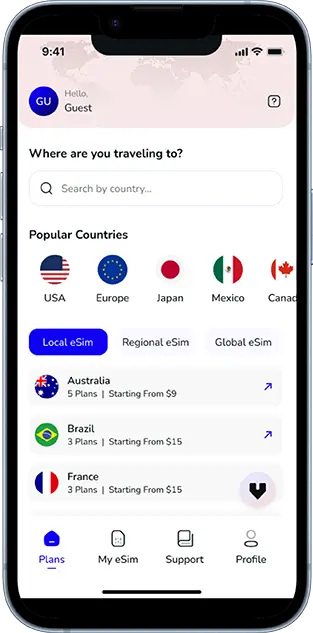
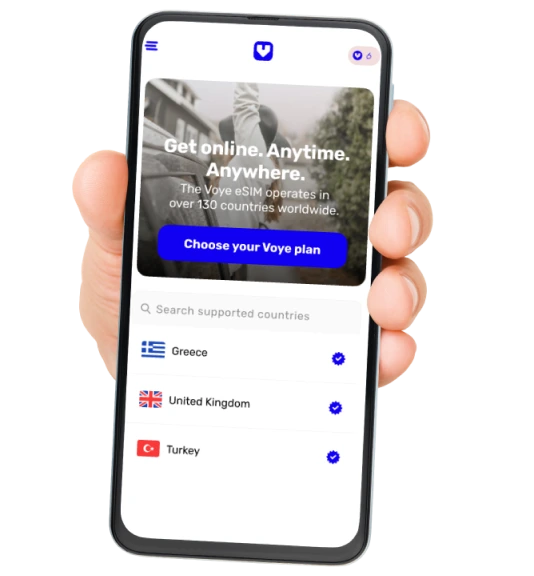
Voye Global offers international eSIM solutions designed for travelers exploring remote regions. With coverage across Scandinavia, Iceland, and North America, Voye Global allows instant connectivity without physical SIM cards or roaming fees.
Travelers rely on Voye Global for:
- Live aurora forecast and geomagnetic alerts
- Cloud cover and weather radar updates
- GPS navigation and road condition checks
- Tour coordination and emergency communication
For multi-country aurora itineraries, Voye Global’s seamless cross-border coverage ensures uninterrupted service throughout the journey.
Don’t miss a moment under the Arctic sky.
Travel connected with Voye Global and track aurora activity, plan routes, and stay informed throughout your Northern Lights adventure in January.
Northern Lights Photography Tips for January
Scouting locations during daylight hours helps identify safe paths and strong compositions. Using real-time weather and aurora apps allows photographers to adapt quickly to changing conditions.
Keeping phones and cameras connected ensures access to forecasts and safety tools—especially important when shooting late at night in extreme cold.
Common Mistakes to Avoid
Many travelers underestimate the importance of flexibility, booking too short a trip or staying only in city centers. Ignoring cloud forecasts or traveling without reliable mobile data can significantly reduce the chances of seeing the aurora.
January rewards preparation, patience, and adaptability.
Why a Europe eSIM Is Essential for Northern Lights Travel?
Exploring Northern Lights destinations across Europe often means traveling through remote regions of Norway, Sweden, Finland, and Iceland, where reliable connectivity can make a meaningful difference to both safety and experience. An eSIM for Europe by Voye Global allows travelers to stay connected seamlessly across borders without changing SIM cards or relying on inconsistent local Wi-Fi. From tracking real-time aurora forecasts and cloud cover maps to checking road conditions, ferry schedules, and guided tour updates, constant data access is essential in Arctic environments where plans can change quickly due to weather. With Voye Global’s Europe eSIM activated before departure, travelers can navigate rural highways, access emergency services, communicate with tour operators, and share once-in-a-lifetime aurora moments instantly, all while avoiding roaming charges and the inconvenience of physical SIM swaps in freezing temperatures. For multi-country aurora itineraries, Voye Global ensures uninterrupted connectivity throughout the journey, allowing explorers to focus fully on the magic of the Northern Lights rather than logistics.
Final Thoughts
January is one of the most powerful months to experience the Northern Lights, offering long nights, dramatic landscapes, and unforgettable moments under Arctic skies. Choosing the right destination, allowing flexibility, and staying informed are key to success.
With dependable connectivity from Voye Global, travelers can focus on the magic of the aurora, confident that they are prepared, connected, and ready for one of nature’s greatest spectacles.

Seamless Mobile Data Everywhere
Voye Global — Your Trusted eSIM Partner for Secure & Reliable Travel.



 English