











Note that iPhone devices from Mainland China aren’t eSIM compatible. Also iPhone devices from Hong Kong and Macao aren’t compatible (except for iPhone 13 Mini, iPhone 12 Mini, iPhone SE 2020 and iPhone XS)
Planning a trip to France is exciting, but choosing the right time to visit can make all the difference between a good vacation and an unforgettable one. From the vibrant cherry blossoms in Paris to the charming countryside cafés and the sun-soaked beaches of the French Riviera, France offers something special year-round. While the iconic lavender fields of Provence are a summer highlight (peaking in July), every season brings its own unique visual feast. However, timing your visit strategically ensures you experience the country at its very best, with ideal weather, manageable crowds, and unique seasonal highlights.
While France is a destination you can explore any time of the year, certain months stand out for travelers seeking comfort, beauty, and authentic cultural experiences. Whether you are interested in wine tasting, sightseeing, skiing, or simply strolling through picturesque villages, understanding France’s seasonal rhythm will help you plan the perfect itinerary. This guide explores the best months to visit France and helps you decide when to go based on your travel goals.
Understanding France’s travel seasons
France experiences four distinct seasons, each offering a different charm. The best month to travel largely depends on your preferences, whether you prioritize weather, budget, or crowd levels.
Spring and fall are considered shoulder seasons, which means fewer tourists and pleasant weather. Summer is peak season, especially in popular destinations like Paris and the Riviera, while winter attracts visitors to ski resorts and festive holiday markets.
Choosing the right month is about balance. You want comfortable weather, fewer crowds, and access to attractions without long wait times. This is why months like May, June, September, and October are often considered the best.
Stay Connected in France
Enjoy seamless internet access across cities and the countryside in France.
Why is May one of the best months to visit France?
May marks the peak of spring in France and is one of the most beautiful times to explore the country. Flowers are in full bloom, parks are vibrant, and the countryside looks like a painting.
The weather in May is mild and comfortable, making it ideal for walking tours, sightseeing, and outdoor dining. Cities like Paris come alive with energy, while regions like Provence begin to show their colorful landscapes.
Another advantage of traveling in May is the longer daylight hours. However, 2026 is a unique year for May travel. Because of how the public holidays fall (May 1, May 8, and May 14), French locals will be taking frequent ‘bridges’ (long weekends). This means trains and hotels will fill up fast, and prices will spike. If you plan to visit this month, book your TGV tickets and accommodations at least three months in advance to avoid the domestic travel rush.
Despite this, May remains a top choice for travelers who want a mix of great weather and cultural vibrancy without the intensity of peak summer tourism.
June offers the perfect start to summer
June is often considered one of the best months to travel to France because it combines the benefits of spring and summer. The weather is warm but not overly hot, and the tourist crowds are still manageable compared to July and August.
This is a fantastic time to visit major attractions, including museums, historical landmarks, and vineyards. Outdoor events and festivals begin to take place, adding to the lively atmosphere.
The French Riviera starts to shine in June, offering sunny beaches without the overwhelming crowds of peak summer. It is also a great time for countryside travel, especially in regions like Normandy and the Loire Valley.
For travelers who want a summer experience without peak-season chaos, June is an excellent choice.
September is often considered the ideal month
If there is one month that stands out as the best time to visit France, it is September. This month offers a perfect combination of warm weather and the exciting harvest season in wine regions. While the family tourist rush fades, keep in mind that September is peak season for major trade shows and Paris Fashion Week. While the streets feel more ‘local,’ boutique hotel prices in Paris can remain as high as they are in mid-summer. The weather remains pleasant, allowing you to explore comfortably without the intense heat of August.
September is also harvest season in France, especially in famous wine regions like Bordeaux and Burgundy. This period, known as the vendanges, is a special time when vineyards are bustling with activity. Travelers can enjoy wine tours, tastings, and scenic landscapes filled with autumn colors.
For those seeking a relaxed yet vibrant travel experience, September is hard to beat.
Check out our plans
-

France 7 days 5 GB
USD 9.00 -
France 10 Days Unlimited Data
USD 17.00 -
France 15 days 8GB
USD 13.00 -
France 20 Days Unlimited Data
USD 29.00 -
France 30days 15GB
USD 16.00 -
France 30 Days Unlimited Data
USD 39.00
October brings autumn charm and fewer tourists
October is another excellent month for traveling to France, especially for those who enjoy cooler temperatures and quieter surroundings. The fall foliage transforms the countryside into a stunning display of colors.
This is a great time to explore rural France, visit vineyards, and enjoy seasonal cuisine. Cities like Paris become less crowded, allowing for a more intimate experience at popular attractions.
Hotel prices and flight costs also tend to decrease in October, making it a good option for budget-conscious travelers who still want a high-quality experience.
While the weather can be slightly unpredictable, the overall atmosphere makes October a rewarding time to visit.
Summer months: July and August
Summer is the peak tourist season in France, particularly in July and August. During this time, the country experiences hot weather and a surge in visitors from around the world.
The French Riviera is at its busiest, with beaches packed and prices at their highest. Paris also sees large crowds, which can lead to long lines at major attractions.
However, summer has its advantages. Festivals, open-air events, and vibrant nightlife create an energetic atmosphere. If you enjoy a lively environment and do not mind crowds, summer can still be a great time to visit.
It is important to plan ahead during these months. Booking accommodations early and preparing for higher costs will help ensure a smooth trip.
Winter travel in France
Winter in France offers a completely different experience. From December to March, the country becomes a haven for winter sports enthusiasts.
The French Alps and Pyrenees attract skiers and snowboarders from around the world. Charming alpine villages provide cozy accommodations and breathtaking views.
Paris in winter has its own appeal, especially during the holiday season. Christmas markets, festive decorations, and fewer tourists create a magical atmosphere.
However, some rural areas and smaller attractions may be closed during winter, so it is important to plan accordingly. The weather can also be cold and wet, which may limit outdoor activities.
Best time for specific travel goals
Choosing the best month to travel to France also depends on what you want to experience. Different seasons cater to different interests.
For travelers looking for the best overall experience, May, June, and September are ideal. These months offer comfortable weather, fewer crowds, and a wide range of activities.
For wine lovers, September and October are perfect due to the harvest season. The vineyards are lively, and the landscapes are stunning.
For beach vacations, June and September are the best options. They provide warm weather without the overwhelming crowds of peak summer.
For budget travelers, the winter months from November to March offer lower prices, although the weather may not be ideal for sightseeing.
For skiing and winter sports, late November to early April is the best time, especially in the mountainous regions.
Traveling smart with connectivity in France

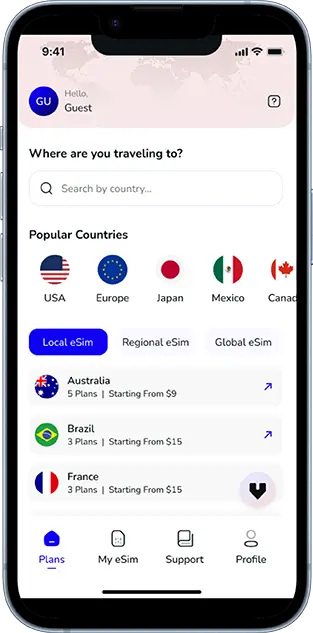
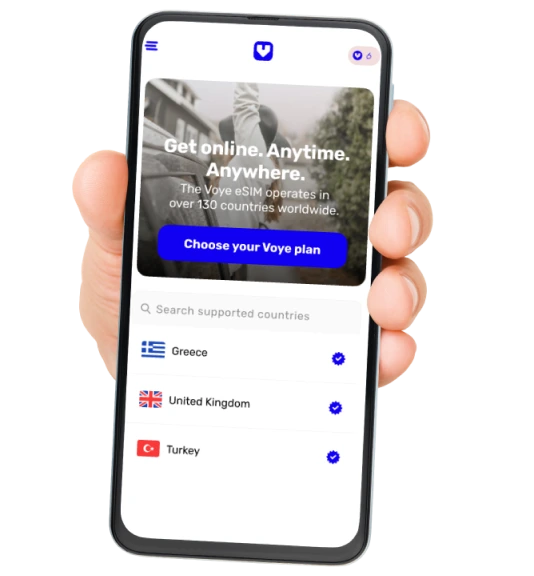
Staying connected while traveling in France is essential for navigation, bookings, and communication. Using an eSIM for France can make your journey smoother by providing reliable internet access without the hassle of physical SIM cards.
Many travelers now prefer digital connectivity solutions to avoid roaming charges and ensure seamless communication. Voye Global can help you stay connected throughout your trip, whether you are exploring Paris or traveling through the countryside.
Having access to maps, translation apps, and travel guides enhances your overall experience and allows you to make the most of your time in France.
Seasonal breakdown for easy planning
Here is a quick overview of what to expect throughout the year:
- Spring (April to May): Mild temperatures, blooming landscapes, and fewer crowds. Ideal for sightseeing and photography.
- Summer (June to August): Warm to hot weather, vibrant festivals, and peak tourist season. Best for beaches and outdoor events.
- Fall (September to October): Comfortable weather, harvest season, and beautiful autumn colors. Great for wine tours and relaxed travel.
- Winter (December to March): Cold weather and festive holiday markets. While it is the ‘low season,’ major Paris landmarks now require pre-booked timed entry year-round due to high demand following the reopening of Notre Dame.
This seasonal perspective helps you align your travel plans with your preferences and expectations.
Travel Smart Across France
Avoid roaming charges with fast and reliable France data connectivity.
How to choose the best month for your trip?
Selecting the best month to travel to France depends on your priorities. If you want the perfect mix of weather and fewer crowds, aim for May, June, or September.
If your focus is on cultural experiences and wine, September and October will offer unforgettable moments. For beach lovers, June and early September provide the best balance of sunshine and space.
Budget travelers should consider the off-season months, while those interested in winter sports will find the colder months ideal.
Understanding what you want from your trip will help you pick the right time and ensure a memorable experience.
Conclusion
France is a destination that shines in every season, but choosing the right month can elevate your travel experience significantly. May, June, September, and October stand out as the best times to visit, offering pleasant weather, manageable crowds, and unique seasonal highlights. Among these, September often emerges as the top choice due to its perfect balance of warmth, cultural activities, and relaxed atmosphere.
Ultimately, the best month to travel to France depends on your personal preferences and travel goals. Whether you are exploring vineyards, relaxing on the Riviera, or wandering through historic streets, France offers something extraordinary year-round. With thoughtful planning and the right timing, your trip to France can become a truly unforgettable journey filled with beauty, culture, and lasting memories.

Seamless Mobile Data Everywhere
Voye Global — Your Trusted eSIM Partner for Secure & Reliable Travel.



 English