










Note that iPhone devices from Mainland China aren’t eSIM compatible. Also iPhone devices from Hong Kong and Macao aren’t compatible (except for iPhone 13 Mini, iPhone 12 Mini, iPhone SE 2020 and iPhone XS)
Austria is one of Europe’s most enchanting destinations, known for its alpine beauty, imperial cities, classical music heritage, and charming villages. Whether you dream of strolling through Vienna’s historic streets, hiking in the Alps, or experiencing magical Christmas markets, Austria offers something unique in every season. However, choosing the best month to visit Austria depends largely on your travel goals, budget, and preferred weather.
From blooming spring landscapes to festive winter wonderlands, each season brings a different experience. In this comprehensive guide, we will explore Austria month by month to help you decide when to plan your trip. You will also find helpful travel insights, seasonal highlights, and practical tips to make your journey seamless and unforgettable.
Understanding Austria’s Seasons
Austria experiences four distinct seasons, each offering its own charm and travel opportunities. The country’s climate varies slightly depending on altitude, with colder conditions in the Alps and milder temperatures in cities like Vienna and Salzburg.
Spring and fall are considered shoulder seasons, offering a balance of pleasant weather and fewer crowds. Summer is the peak tourist season, especially for outdoor activities. Winter transforms Austria into a snowy paradise, perfect for skiing and festive celebrations.
Understanding these seasonal differences is key to determining the best month for your trip.
Stay Connected in Austria
Enjoy seamless data access across cities, mountains, and travel routes.
Spring in Austria – April to May
Spring is one of the most underrated yet rewarding times to visit Austria. As the snow melts, the country begins to bloom with colorful flowers, lush greenery, and fresh alpine air. April marks the transition from winter to spring, while May brings warmer temperatures and longer days.
During this period, cities become lively but are not yet overcrowded. Vienna and Salzburg host Easter markets, cultural events, and open-air cafes that create a vibrant yet relaxed atmosphere. The countryside also starts to awaken, making it an excellent time for scenic drives and photography.
Travelers who enjoy sightseeing without heavy crowds will find spring ideal. Hotel prices are generally lower compared to peak summer months, making it a budget-friendly option as well.
Summer in Austria – June to August
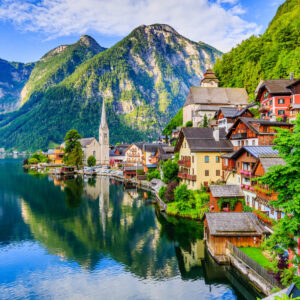
Summer is widely considered the best time to visit Austria for outdoor enthusiasts. With temperatures ranging between 20 and 30 degrees Celsius, the weather is perfect for hiking, cycling, and exploring the Alps. Lakes such as Wolfgangsee and Hallstatt become popular spots for swimming and relaxation.
This is also the peak tourist season, meaning attractions are busy, and accommodation prices are higher. However, the lively atmosphere, festivals, and extended daylight hours make it worth the experience.
Music lovers can attend world-famous events like the Salzburg Festival, while nature enthusiasts can explore alpine trails and national parks. Summer is also a great time for road trips, offering breathtaking views at every turn.
If you are planning a summer visit, booking accommodations and transportation in advance is highly recommended.
Fall in Austria – September to October
Fall is widely considered the best overall time to visit Austria, offering a blend of pleasant weather and thinning summer crowds. September is particularly popular for hiking, as temperatures are comfortable and the alpine scenery is at its most picturesque. However, travelers should note that November serves as a transition period; while quieter, some high-altitude cable cars and mountain huts may close temporarily to prepare for the ski season.
October brings wine harvest festivals, especially in regions like the Wachau Valley and Styria. These events provide a unique opportunity to experience Austrian culture, local cuisine, and traditional celebrations.
Travel costs during the fall are generally lower than in the summer, making it a great choice for budget-conscious travelers. The combination of fewer crowds, mild weather, and vibrant scenery makes this season highly appealing.
Winter in Austria – December to March
Winter in Austria is magical, especially for those who love snow and festive experiences. December is famous for its Christmas markets, where cities like Vienna, Innsbruck, and Salzburg are beautifully decorated with lights, stalls, and seasonal treats.
From January to March, Austria becomes a hub for winter sports. Ski resorts such as St. Anton, Kitzbühel, and Zell am See attract visitors from around the world. Snow conditions are at their best during this period, making it ideal for skiing, snowboarding, and other winter activities.
While winter travel can be more expensive during the holiday season, visiting in mid-January or February often offers better deals and fewer crowds. The snowy landscapes and cozy atmosphere make winter a truly unforgettable time to visit.
Check out our plans
-
Austria 7 Days 5GB
JPY 1,427 -
Austria 10 Days Unlimited
JPY 2,695 -
Austria 15 Days 8GB
JPY 2,061 -
Austria 20 Days Unlimited
JPY 4,598 -
Austria 30 days 25GB
JPY 3,964 -
Austria 30 Days Unlimited
JPY 6,184
Best Months Based on Travel Preferences
Choosing the best month depends on what you want to experience in Austria. Here is a breakdown based on different travel interests.
For sightseeing and cultural experiences, April, May, September, and October are excellent choices. The weather is comfortable, and tourist attractions are less crowded.
For outdoor activities like hiking and lake visits, June, July, and August are ideal due to warm temperatures and clear skies.
For skiing and winter sports, January through March provides the best snow conditions and access to top ski resorts.
For festive experiences, December stands out with its iconic Christmas markets and holiday atmosphere.
Budget Considerations and Crowd Levels
Travel costs in Austria vary significantly depending on the season. Summer and December are peak periods, meaning higher prices for flights, hotels, and tours. Shoulder seasons such as spring and fall offer better value, with more affordable accommodations and fewer tourists.
If you are looking to save money while still enjoying a great experience, consider traveling in early May or late September. These months provide a perfect balance of good weather and reasonable prices.
Planning is crucial, especially during peak seasons. Booking early can help secure better deals and ensure availability for popular attractions.
Weather Insights for Major Cities
Vienna tends to be warmer than Alpine regions, making it comfortable for year-round visits. Summers can be slightly hot, while winters are cold but manageable.
Salzburg experiences more rainfall, especially in summer, so packing accordingly is important. The city looks particularly beautiful in spring and fall.
Innsbruck, located in the Alps, has colder winters and is a top destination for skiing. Summer in Innsbruck is perfect for mountain activities and scenic exploration.
Understanding these regional differences can help you plan your itinerary more effectively.
Travel Tips for Visiting Austria

To make the most of your trip, consider these essential tips.
- Pack according to the season, especially if visiting alpine regions where temperatures can change quickly
- Book accommodations early during peak seasons to avoid last-minute price hikes
- Use public transportation, as Austria has an efficient and reliable network
- Try local cuisine, including schnitzel, strudel, and regional wines
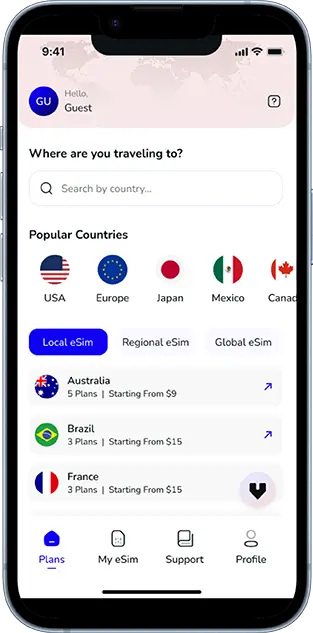
- Carry a reliable eSIM for Austria to stay connected throughout your journey
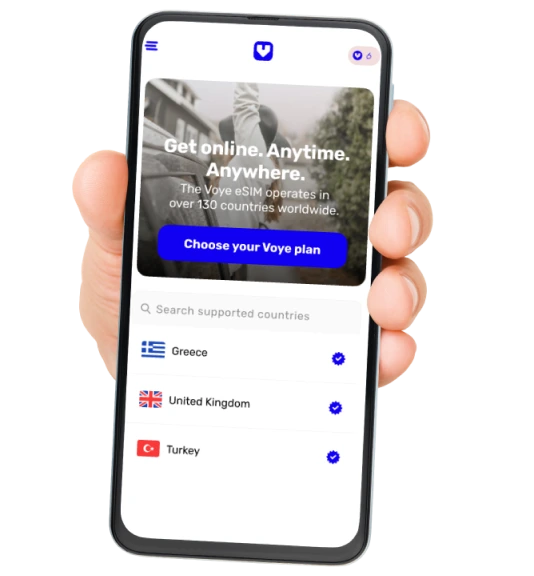
Staying connected is particularly important for navigation, bookings, and communication. Using eSIM by Voye Global ensures seamless connectivity without the hassle of physical SIM cards, making your travel experience smoother.
Month by Month Quick Overview
- January is best for skiing and winter sports, with excellent snow conditions.
- February continues the ski season and offers fewer crowds after the holiday rush.
- March marks the transition toward spring, with milder temperatures and still good skiing opportunities.
- April brings blooming landscapes and fewer tourists, making it ideal for sightseeing.
- May offers pleasant weather, vibrant greenery, and affordable travel options.
- June is the start of summer, perfect for outdoor adventures and exploring lakes.
- July is peak summer, with festivals and lively city life.
- August continues the summer vibe, though it can be crowded and slightly expensive.
- September is one of the best months overall, with beautiful scenery and comfortable weather.
- October features fall colors and wine festivals, offering a unique cultural experience.
- November is quieter, with fewer tourists and lower prices, though the weather can be cooler.
- December is magical with Christmas markets, festive decorations, and a cozy winter atmosphere.
Travel Smart Across Austria
Reliable high-speed internet for maps, bookings, and sharing moments.
Why Timing Matters for Your Austria Trip?
Choosing the right month can significantly impact your travel experience. Visiting during the wrong season for your preferences may lead to overcrowded attractions, unfavorable weather, or higher expenses.
For example, if you love hiking but visit in winter, you may miss out on Austria’s famous alpine trails. Similarly, visiting in peak summer without proper planning can result in higher costs and long queues.
By aligning your travel goals with the right season, you can maximize your enjoyment and create a more fulfilling experience.
Conclusion
Austria is a year-round destination, but the best month to visit ultimately depends on what you are looking for. Spring and fall offer a perfect balance of pleasant weather, fewer crowds, and affordability. Summer is ideal for outdoor adventures and cultural events, while winter provides a magical setting for skiing and festive celebrations.
If you are seeking the best overall experience, September and May stand out as top choices. These months combine comfortable temperatures, stunning landscapes, and fewer tourists, making them ideal for most travelers.
No matter when you choose to visit, Austria promises unforgettable experiences, rich culture, and breathtaking scenery. With careful planning, the right timing, and reliable connectivity through options like an Austria eSIM, your journey can be seamless and memorable. Whether you are exploring historic cities or enjoying alpine adventures, Austria will leave you with lasting impressions and a desire to return.

Seamless Mobile Data Everywhere
Voye Global — Your Trusted eSIM Partner for Secure & Reliable Travel.



 English