










Note that iPhone devices from Mainland China aren’t eSIM compatible. Also iPhone devices from Hong Kong and Macao aren’t compatible (except for iPhone 13 Mini, iPhone 12 Mini, iPhone SE 2020 and iPhone XS)
You wake early because the light slips through the curtains long before your alarm. Outside your window, the water is perfectly still, like glass. Mountains rise straight up from the sea, not gently but dramatically, as if carved with a knife. A waterfall appears from nowhere high in the clouds and falls for hundreds of meters before disappearing into emerald water.
This is not a scene from a movie.
This is a Norwegian fjord.
Norway has more than a thousand fjords, and that creates a real problem for travelers. Which one should you actually visit if you only have one trip?
This guide answers that clearly. You will learn which fjord to choose, the best month to go, how to reach it, what to pack, how to stay connected, and how to plan your trip so it becomes unforgettable instead of stressful.
What Is a Fjord and Why Is Norway Famous for Them?
A fjord is not simply a bay or a lake. It was created during the Ice Age when massive glaciers slowly carved valleys into solid rock. When the ice melted, seawater flooded those valleys, creating deep and narrow waterways surrounded by near-vertical mountains.
Two things make Norway special:
- Extremely long coastline
- Powerful glacial history
The result is scenery you will not really find anywhere else in the world. Fjords are incredibly deep, sometimes deeper than the ocean just outside them. The mountains beside them rise so steeply that tiny farms and villages look almost impossible.
So, Which Is the Best Fjord in Norway?
If you have limited time and want the most iconic experience, the answer is Geirangerfjord.
Why Geirangerfjord Stands Out?
- UNESCO World Heritage Site
- Compact and easy to explore
- Dramatic waterfalls
- Famous viewpoints
- Accessible without extreme hiking
Here you will see waterfalls dropping from cliffs hundreds of meters high, including the famous Seven Sisters waterfall. You will also notice abandoned farms perched on rock ledges where people once lived in isolation.
It is the fjord that most closely matches the image people imagine when they dream about Norway.
Connect the Moment You Land
Skip airport SIM queues. Activate your Voye Global eSIM before departure and open maps, tickets, and hotel details as soon as you arrive.
Why You Should Visit a Norwegian Fjord?
A fjord trip feels different from a normal vacation. It is not about ticking landmarks off a list. It is about slowing down.
You go for:
- Silence you cannot find in cities
- Clean air and drinkable water everywhere
- Long golden evenings
- Space and calm
- Nature that feels untouched
Many travelers say their fjord day becomes their strongest memory from all of Europe.
Best Month to Visit the Fjords

Timing matters more here than in most destinations.
May
- Snow still covers mountain peaks
- Waterfalls are strongest due to melting snow
- Fewer tourists
- Cooler temperatures
June to July
- Warmest weather
- Almost endless daylight
- Best for hiking and kayaking
- Peak scenery and peak travel season
August
- Lush green landscape
- Slightly calmer crowds
- Excellent balance of weather and cost
September
- Golden autumn colors
- Beautiful photography light
- Cheaper accommodation
Best overall month: June or early July
Best photography month: May or September
Best budget month: September
Avoid winter if your goal is green fjords. Winter trips are beautiful but completely different. You will see snow landscapes, not waterfalls and greenery.
Staying Connected During Your Trip
One thing many travelers underestimate about Norway is how remote fjord regions really are. Villages around the fjords are tiny. Some have only a few hundred residents. Between them you will often drive for long stretches through mountains, tunnels, and valleys with no shops, no stations, and sometimes no people.
Because of that, mobile data is not a luxury in the fjords. It becomes a basic travel tool.
You will use your phone constantly for practical reasons, not entertainment.
Why Internet Is Important in the Norwegian Fjords?
Here is what typically happens during a fjord trip.
You wake up and check the weather. The forecast determines whether you hike, cruise, or drive to viewpoints. Conditions can change quickly. A clear morning can turn into rain within an hour.
Then you check ferry timings. Many fjord crossings depend on ferries and they do not always run every hour. Missing one can delay your entire day.
While driving you rely on maps because roads wind through mountains and tunnels. GPS is essential. Some viewpoints, trailheads, and photo spots are not clearly signposted.
You also need connectivity for:
- Parking apps used in small villages
- Activity bookings and confirmations
- Emergency information
- Contacting accommodations
- Finding fuel stations or restaurants
In other words, internet access directly affects whether your trip feels smooth or stressful.
When to Start Planning for Fjord?

Fjord villages are small. That is important to understand.
There are not many hotels, and they fill early.
Recommended timeline:
- 6 to 8 months before: Book international flights
- 4 to 6 months before: Book accommodation
- 2 to 3 months before: Book trains and ferries
- 2 to 4 weeks before: Reserve activities
If you wait too long, you may still reach the fjord but struggle to find a place to stay overnight.
How to Reach the Fjords?
Reaching the fjords is actually part of the experience.
Step 1: Fly Into Norway
Best arrival airports:
- Oslo
- Bergen
Bergen is closer to fjord country, but Oslo usually has cheaper flights.
Step 2: Scenic Transport
You have several options.
Train
The scenic railway routes are considered some of the most beautiful in the world.
Ferry
The classic fjord experience. Quiet, relaxing, and deeply memorable.
Bus
Affordable and well connected.
Rental Car
Best flexibility. Ideal if you want viewpoints and hidden stops.
Important tip: Do not try to see everything quickly. Fjords reward slow travel.
What to Do at the Fjord?
Nature Experiences
- Fjord cruise
- Kayaking
- Waterfall viewing
- Lakeside walks
- Swimming for the brave
Adventure Activities
- Hiking to viewpoints
- Scenic road drives
- RIB boat safari
Cultural Experiences
- Visit local farms
- Try Norwegian waffles and brown cheese
- Explore small fishing villages
- Learn Viking history
The most memorable activity is often the simplest. Sitting quietly near the water.
Reliable Data for Fjord Roads
Mountain drives, tunnels, and ferry timings require live navigation. Stay online across remote areas and travel stress-free.
What to Pack?
Weather changes quickly in Norway. You might experience sun, rain, wind, and cool temperatures in one day.
Must pack items
- Waterproof jacket
- Warm layers
- Comfortable hiking shoes
- Small backpack
- Power bank
- Reusable water bottle
- Sunglasses
The waterproof jacket is your most important item.
The Problem With Relying on Public WiFi
Travelers often assume they can just use hotel WiFi. In cities that works. In fjords it does not.
Here is what actually happens:
- WiFi is slow in many small guesthouses
- Coverage disappears once you leave the village
- You may arrive late evening and need directions on the road
- Viewpoints and hiking trails have no WiFi at all
You may also land in Norway late at night when airport SIM shops are closed. Then you have no connection during your first train or drive.
That is why planning connectivity before the trip matters.
Where to Stay?
Choosing the right accommodation changes your experience.
Budget
- Guesthouses
- Campsites
Mid-Range
- Fjord cabins
- Small lodges
Luxury
- Waterfront hotels
- Panoramic glass view rooms
Tip: Always choose a place facing the fjord if possible. Watching sunrise or late evening light over the water is unforgettable.
3 Day Fjord Itinerary

Day 1
Arrival
Ferry cruise through the fjord
Evening village walk
Day 2
Morning viewpoint hike
Afternoon kayaking or waterfall visit
Relaxed dinner
Day 3
Scenic drive and photo stops
Local café visit
Departure
Common Mistakes Travelers Make
- Visiting in winter expecting green landscapes
- Trying to rush multiple fjords in one trip
- Not booking accommodation early
- Underestimating travel distances
- Ignoring weather forecasts
Norway looks small on a map but travel times are long due to mountains and ferry crossings.
Why a Travel eSIM Is the Easiest Solution?
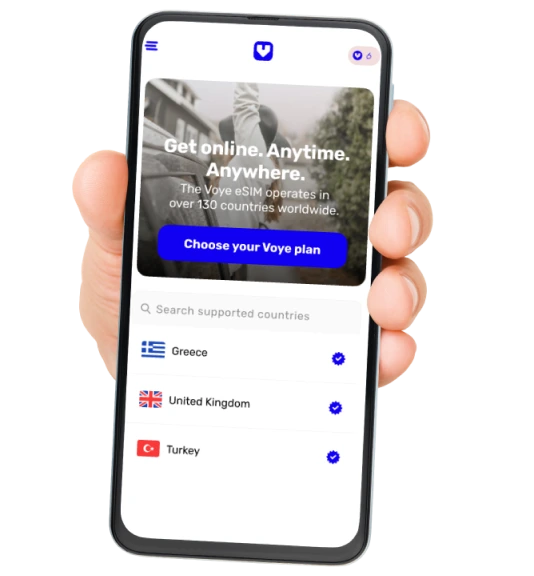
A travel eSIM such as Voye Global solves this before your journey even begins.
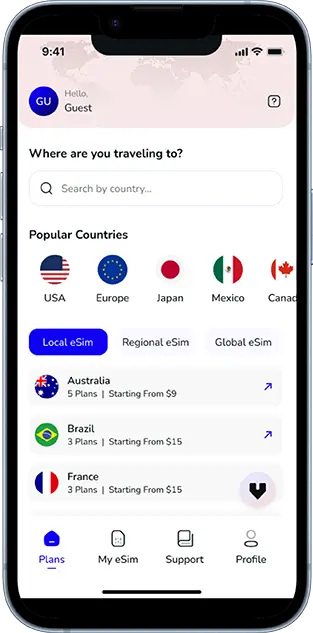
An eSIM is a digital SIM card built into your phone. You do not insert anything physically. You simply install it by scanning a QR code and activating it.
You set it up at home.
When your flight lands in Norway, your phone automatically connects to a local network.
No airport kiosks.
No paperwork.
No language barriers.
Key Benefits
1. Instant Internet on Arrival
The moment you land you can:
- Order airport transport
- Open maps
- Contact your hotel
- Check train platform details
This is especially useful after long international flights when you are tired and navigating a new country.
2. Reliable Navigation in Mountain Roads
Fjord drives are stunning but complicated. Roads curve around cliffs, pass through long tunnels, and branch into remote valleys.
Without mobile data, you cannot reliably:
- Find viewpoints
- Reach trailheads
- Adjust routes due to closures
Navigation becomes critical because distances are large and wrong turns cost hours.
3. Real-Time Weather Decisions
The weather decides everything in the fjords. A viewpoint covered in clouds becomes pointless. A sunny window means you should go immediately.
With mobile data, you can:
- Track moving rain
- Reschedule hikes
- Move activities to the right time of day
This dramatically improves your experience.
4. Access to Ferry and Transport Schedules
Many fjord routes depend on ferries. Some operate only every 60 to 90 minutes.
With the internet, you can:
- Check live departures
- Avoid long waits
- Adjust driving plans
This saves both time and money.
5. No Roaming Charges
International roaming is usually extremely expensive in Norway. Even a few days of navigation and maps can generate a large bill.
A travel eSIM gives fixed prepaid data, so you always know your cost.
6. Safety
Fjord areas are safe but remote. Having connectivity allows:
- Emergency calls
- Weather alerts
- Contacting roadside assistance
- Sharing your location while hiking
It adds peace of mind, especially for solo travelers.
Why It Is Especially Useful for Road Trips?
Many fjord trips include scenic drives. Some routes have tunnels longer than 10 km, and mountain passes with changing weather.
During a drive, you may need to:
- Find the nearest fuel station
- Locate a restroom stop
- Reroute due to road works
- Find parking apps required in small towns
Without mobile data, even simple tasks become difficult.
When to Activate It?
Best practice:
- Purchase and install before leaving your home country
- Activate on the flight or right before landing
Your phone connects immediately when you arrive, which removes the most stressful part of arriving in a new place.
Budget Expectations
Norway is expensive, but manageable with planning.
Ways to save:
- Shop at supermarkets
- Picnic lunches
- Book early
- Travel slightly outside peak July
Activities are worth prioritizing. A fjord cruise or kayak trip becomes the highlight of the journey.
Norway Calling
Some destinations entertain you.
Some impress you.
A Norwegian fjord stays with you.
You might forget the museums you visited in big cities. But you will remember standing beside still water surrounded by mountains, hearing only wind and distant waterfalls.
That quiet moment is the real reason people travel all the way to Norway.
No Roaming Bill Surprises
Avoid high international charges and weak public WiFi. One setup keeps you connected throughout your Norway trip.

Seamless Mobile Data Everywhere
Voye Global — Your Trusted eSIM Partner for Secure & Reliable Travel.



 English