














Note that iPhone devices from Mainland China aren’t eSIM compatible. Also iPhone devices from Hong Kong and Macao aren’t compatible (except for iPhone 13 Mini, iPhone 12 Mini, iPhone SE 2020 and iPhone XS)
Air travel looks simple from the outside. You pack, reach the airport, clear security, and board. In reality, airports operate under strict global safety, security, and quarantine rules. Many travelers only discover these rules when their snacks, homemade meals, or souvenirs are taken away at security or customs.
Food is one of the most commonly confiscated items at airports worldwide. The confusion happens because airline rules, airport security regulations, and country import laws are all different systems. An item allowed in checked baggage might still be seized on arrival. Something permitted on a domestic flight may be banned internationally.
This detailed guide explains exactly what food items are not allowed in flights, what you can pack, and how to avoid losing your belongings at security screening.
Why Airlines and Airports Restrict Food Items?
Food bans are not random. They exist for four main reasons:
1. Aviation security
Liquids, gels, and semi solids can hide dangerous substances. That is why airports restrict them in cabin baggage.
2. Aircraft safety
Certain foods can leak, ferment, or release gas. These can damage cargo areas or create pressure hazards.
3. Hygiene and smell control
Strong smelling foods can cause discomfort to passengers in a closed cabin environment.
4. Agricultural quarantine laws
Many countries strictly control fruits, vegetables, meat, and dairy to prevent pests and diseases from entering the country.
So even if an airline allows an item, immigration or customs authorities may still confiscate it.
Cabin Baggage Food Restrictions
The cabin baggage is where most confiscations happen because of the liquid rule.
The 100 ml Liquid Rule
Across almost all international airports, including India, passengers must follow the standard aviation liquid restriction:
- Each liquid container must be 100 ml or less
- All containers must fit inside one transparent 1 liter zip lock bag
- Only one bag per passenger is allowed
Anything exceeding this is removed during security screening.
Foods Considered Liquids or Gels
Many travelers do not realize that security classifies several foods as liquids. These are not allowed in cabin baggage if above 100 ml.
Not allowed in cabin bag:
- Pickles and chutneys in oil
- Gravies and curries
- Yogurt and curd
- Ghee
- Honey
- Peanut butter and spreads
- Sauces and ketchup bottles
- Jam and jelly
- Hummus
- Coconut water
- Rasam, sambhar, dal
- Any food with visible liquid content
Even tightly packed containers are not accepted because screening machines detect density, not packaging.
Your Journey, Our eSIM
Stay online abroad with instant activation.
Solid Foods Allowed in Cabin Baggage
Good news. Many solid foods are permitted in carry on baggage.
Generally allowed:
- Dry fruits and nuts
- Chocolates
- Protein bars
- Sandwiches without sauces
- Plain paratha or roti
- Cakes and pastries (dry)
- Biscuits and chips
- Cooked rice without curry
- Hard cheese
However, airlines may still refuse strong smelling foods during boarding.
Foods Often Stopped by Airlines
Some foods are not technically illegal but commonly rejected:
- Durian fruit
- Jackfruit
- Raw fish
- Open seafood
- Fermented foods with strong odor
Cabin crews may deny boarding with these items for passenger comfort.
Baby Food and Medical Exceptions
There are special exemptions.
Passengers can carry:
- Infant milk
- Baby puree
- Prescription dietary liquids
- Diabetic liquids
You may be asked to taste the food at security. Always carry a prescription or baby travel proof.
Checked Baggage Food Rules
Checked baggage allows more flexibility, but restrictions still apply.
Foods Allowed in Checked Baggage
These are usually permitted if packed securely:
- Spices and masalas
- Tea and coffee powder
- Sweets like laddoos and barfi
- Vacuum sealed snacks
- Packaged ready to eat meals
- Dry fruits
- Sealed pickles
- Packaged instant noodles
Tip: Always double seal oily foods to prevent leakage. Security agents may open your bag for inspection if liquids spill.
Food Items Banned Even in Checked Luggage
Some items are restricted regardless of packing.
Usually prohibited:
- Fresh meat (international flights)
- Raw poultry
- Fresh seafood
- Unpasteurized dairy
- Open homemade gravies
- Fresh fruits and vegetables for international travel
- Soil containing plants
These are agricultural quarantine risks.
For example, Australia, New Zealand, and the USA have extremely strict biosecurity rules. Even a banana or homemade pickle can lead to heavy fines if not declared.
Alcohol, Aerosols, and Fermented Food
Alcohol
- Allowed up to 5 liters in checked baggage
- Alcohol strength must be between 24% and 70%
- Must be retail packaged
Not allowed in cabin baggage above 100 ml unless bought from duty free and sealed.
Fermented Foods
Certain fermented foods release gas. These may be removed due to cabin pressure risks:
- Idli batter
- Dosa batter
- Fermenting rice mixtures
Aerosols and Cooking Sprays
Cooking oils and sprays are often restricted due to flammability.
Global Coverage, Local Rates
Experience hassle-free connectivity wherever you go.
Power Banks and Food Coolers
This surprises many travelers.
Power banks are not allowed in checked baggage because lithium batteries can cause fires. If you are carrying frozen food in an electric cooler, the battery pack must go in cabin baggage.
International Arrival Rules Matter More
Security rules and customs rules are different.
You may successfully board a flight from India with food but still lose it at arrival immigration.
Commonly confiscated on arrival:
- Fruits
- Seeds
- Homemade snacks
- Dairy products
- Meat products
Always check the destination country’s customs website before packing food.
Tips to Pack Food Safely for Flights
- Prefer dry food over wet food
- Vacuum seal oily items
- Avoid glass containers
- Label homemade items
- Carry receipts for packaged food
- Declare food honestly at customs
- Keep liquids in checked baggage only
A small preparation can save you from delays, fines, or embarrassment.
Domestic Flights in India
Domestic flights are more relaxed compared to international ones.
Allowed:
- Home cooked dry food
- Sweets
- Snacks
- Fruits in reasonable quantity
Still not allowed in cabin baggage:
- Large liquid containers
- Loose curries
- Large containers of chutney or pickle
Airport security staff have final authority. Their decision is binding.
What Happens If an Item Is Confiscated?
Security officers place prohibited food in disposal bins. You cannot reclaim it. It is not stored, returned, or shipped.
If the violation relates to customs, you may also receive a fine.
Smart Travel Planning
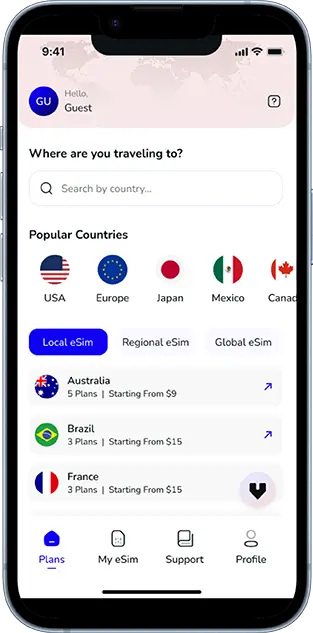
Today, many travelers depend on mobile boarding passes, airline apps, and last minute regulation checks while at the airport. Having working internet abroad matters more than people realize. This is where services like Voye Global become useful. Voye Global provides travelers with global mobile data using eSIM technology. You can instantly check airline baggage rules, customs requirements, or even rebook flights without hunting for airport WiFi or paying expensive roaming charges. For frequent flyers or international students, reliable connectivity prevents small mistakes like carrying banned food items.
Quick Reference Checklist
Never carry in cabin baggage
- Liquids above 100 ml
- Curries and gravies
- Yogurt or ghee
- Large pickle jars
Avoid in international travel
- Fruits and vegetables
- Meat and dairy
- Homemade chutneys
Safe choices
- Dry snacks
- Sealed packaged food
- Chocolates and nuts
Final Thoughts
Most airport food confiscations happen because travelers assume home food is automatically allowed. Aviation security focuses on safety, and customs focuses on protecting agriculture. Understanding the difference helps you travel stress free.
Before every international flight, check three things:
- Airline baggage rules
- Airport security liquid limits
- Destination country import restrictions
Pack wisely, seal properly, and when in doubt, do not carry it. A snack is not worth missing a flight or paying a penalty. Safe packing leads to smooth boarding and a far more relaxed journey.

Seamless Mobile Data Everywhere
Voye Global — Your Trusted eSIM Partner for Secure & Reliable Travel.




 English