














Note that iPhone devices from Mainland China aren’t eSIM compatible. Also iPhone devices from Hong Kong and Macao aren’t compatible (except for iPhone 13 Mini, iPhone 12 Mini, iPhone SE 2020 and iPhone XS)
International travel has become easier than ever. Flights are more accessible, remote work allows professionals to travel while working, and digital nomads are exploring the world like never before. However, one problem still catches many travelers off guard: global roaming charges.
Many travelers return from trips only to discover hundreds or even thousands of dollars in unexpected roaming fees. A quick map check, social media upload, or video call can silently accumulate massive charges when using traditional international roaming.
The good news is that avoiding global roaming charges is easier today than it has ever been. New technologies, smarter planning, and modern connectivity solutions have transformed how travelers stay connected abroad.
This detailed guide explains everything you need to know about avoiding roaming charges, including:
- Why roaming charges happen
- How traditional roaming works
- Practical ways to eliminate roaming fees
- Modern solutions like eSIM technology
- Tips for staying connected internationally without overspending
By the end of this guide, you will have a clear strategy to stay connected anywhere in the world without worrying about expensive mobile bills.
Understanding Global Roaming Charges
Before learning how to avoid roaming charges, it is important to understand why they exist in the first place.
Global roaming happens when your mobile phone connects to a network outside your home carrier’s coverage area.
For example:
- Your SIM card belongs to an operator in India
- You travel to France
- Your phone connects to a French telecom network
- Your home operator pays that foreign network
- The cost is passed to you as roaming charges
This process involves multiple telecom providers, which significantly increases costs.
Typical roaming charges include:
- Data roaming fees
- Incoming and outgoing call charges
- SMS charges
- Background app data usage
Even simple smartphone activities such as email syncing, GPS navigation, or cloud backups can trigger roaming costs.
This is why many travelers are shocked when they receive their phone bill after returning home.
Why Roaming Charges Are Still So Expensive?
Despite advancements in mobile technology, roaming fees remain expensive due to several factors.
- Network Agreements
Mobile operators must negotiate agreements with foreign carriers. These agreements involve wholesale costs that are often passed to the customer.
- Legacy Infrastructure
Many telecom systems were built before global travel became common. Pricing structures were designed around domestic use rather than international mobility.
- Limited Competition
Traditional roaming services often lack competitive alternatives. This allows telecom providers to maintain high pricing.
- Uncontrolled Data Usage
Smartphones constantly use data in the background. Apps update automatically, notifications sync, and location services run continuously.
Without proper management, these background processes can generate significant roaming fees.
The Hidden Ways Your Phone Generates Roaming Charges
Even when you think you are not using your phone, roaming charges may still accumulate.
Here are common culprits:
- App Updates
Applications automatically update in the background.
- Email Syncing
Email clients frequently check for new messages.
- Cloud Backup
Photos and files may upload automatically.
- Location Services
Maps and travel apps continuously refresh location data.
- Push Notifications
Messaging apps remain connected to servers.
These hidden processes can consume significant data without your awareness.
12 Effective Ways to Avoid Global Roaming Charges
Now that we understand the problem, let’s explore proven strategies to eliminate roaming charges.
1. Disable Data Roaming Before You Travel
The simplest step is to turn off data roaming in your phone settings.
This prevents your device from automatically connecting to foreign cellular networks.
Steps typically include:
- Open phone settings
- Select mobile network
- Disable data roaming
This ensures you do not accidentally generate roaming charges.
However, disabling roaming also means you cannot use mobile data unless you find an alternative solution.
2. Use Airplane Mode When Necessary
Airplane mode disables all wireless communications, including cellular signals.
You can still manually enable WiFi while keeping cellular roaming disabled.
This method ensures your phone does not connect to expensive international networks.
3. Rely on Public WiFi Networks
Many destinations offer free WiFi in locations such as:
- Airports
- Hotels
- Cafes
- Restaurants
- Shopping malls
- Public transport hubs
Using WiFi allows you to access the internet without cellular charges.
However, public WiFi comes with drawbacks:
- Unstable connections
- Slow speeds
- Security risks
- Limited availability
Travelers who rely heavily on connectivity often need a more reliable solution.
4. Purchase a Local SIM Card
Buying a local SIM card is a traditional solution many travelers use.
Benefits include:
- Access to local data plans
- Lower rates than roaming
- Ability to make local calls
However, local SIM cards also create several inconveniences:
- Searching for telecom stores after arrival
- Language barriers
- SIM compatibility issues
- Losing access to your primary number
- Physical SIM swapping
Frequent travelers often find this process frustrating.
5. Use Messaging Apps Instead of Traditional Calls
International voice calls can be extremely expensive while roaming.
Instead, travelers can use internet based messaging platforms such as:
- Telegram
- Signal
- Zoom
- Google Meet
These services allow voice and video communication through internet data instead of cellular voice networks.
6. Download Maps and Content Offline
Navigation apps consume significant mobile data.
Before your trip, download offline maps using apps like Google Maps.
You can also download:
- Translation packs
- Travel guides
- Entertainment content
- Podcasts
This reduces your reliance on mobile data while traveling.
7. Turn Off Automatic Updates
Background updates can consume a large amount of data.
Disable automatic updates for:
- Apps
- Cloud storage
- Operating system updates
Restrict updates to WiFi networks only.
8. Monitor Your Data Usage
Most smartphones allow users to track data consumption.
Monitoring usage helps you identify which apps consume the most data.
You can then limit or disable those apps while traveling.
9. Use International Data Packages
Many mobile carriers offer international travel packages.
These bundles include:
- Limited data
- Discounted calls
- Short validity periods
While cheaper than standard roaming, these packages often remain expensive and restrictive.
Travelers may also face slow speeds once data limits are exceeded.
10. Use eSIM Technology for Global Connectivity
One of the most efficient modern solutions for avoiding roaming charges is eSIM technology.
An eSIM is a digital SIM embedded within your device. Instead of inserting a physical SIM card, you download a mobile plan directly to your phone.
Advantages of eSIM include:
- Instant activation
- No physical SIM swapping
- Multiple profiles on one device
- Global coverage
- Lower data costs
eSIM technology is quickly becoming the preferred connectivity solution for international travelers.
11. Use Portable WiFi Devices
Portable WiFi hotspots allow travelers to connect multiple devices through one internet source.
However, these devices have drawbacks:
- Extra device to carry
- Battery management
- Rental costs
- Potential network limitations
Modern eSIM solutions often provide a simpler alternative.
12. Choose a Global Data Provider
Instead of relying on traditional telecom roaming systems, travelers can use global connectivity providers designed specifically for international travel.
These services eliminate roaming fees entirely by connecting users directly to partner networks worldwide.
One such solution is Voye Global.
Global Coverage, Local Rates
Experience hassle-free connectivity wherever you go.
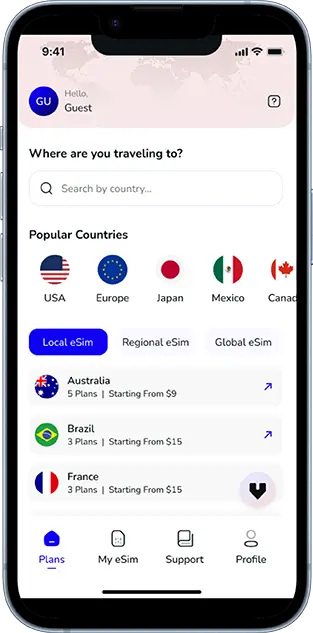
A Smarter Alternative: eSIM Connectivity with Voye Global
For travelers who want reliable global internet access without complicated setup, Voye Global offers a modern solution.
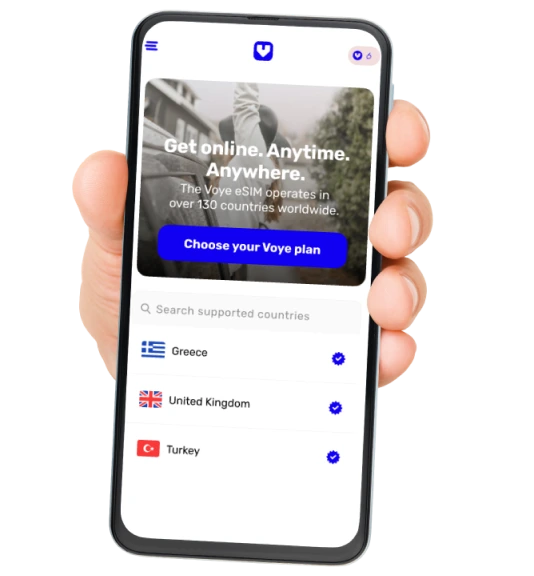
Voye Global is a telecommunications company providing affordable international data connectivity in more than 160 countries through advanced eSIM technology.
Instead of dealing with roaming fees or physical SIM cards, travelers simply activate a digital plan and connect instantly.
Key Benefits of Voye Global
Global Coverage
Voye Global provides connectivity in over 160 countries, making it ideal for:
- International tourists
- Digital nomads
- Business travelers
- Remote workers
- Students studying abroad
With a single solution, travelers can stay connected across multiple destinations.
- Affordable Data Plans
Traditional roaming charges often cost several dollars per megabyte. Voye Global eliminates these high costs by offering transparent and predictable data pricing, helping travelers avoid surprise mobile bills.
- No Physical SIM Cards
Since Voye Global operates using eSIM technology, there is no need to purchase or insert a physical SIM card.
Users simply:
- Choose a plan
- Download the eSIM
- Activate it instantly
This saves time and removes the hassle of visiting telecom stores abroad.
- High Speed 5G Connectivity
Voye Global’s advanced 5G infrastructure ensures travelers’ experience:
- Fast internet speeds
- Stable connections
- Smooth video calls
- Reliable navigation
- Seamless remote work
Whether uploading travel content or attending virtual meetings, users stay connected without interruption.
- Enterprise Level Technology for Consumers
Previously, global connectivity services were designed mainly for large corporations and multinational businesses.
Voye Global now makes this enterprise grade technology available directly to individual travelers, ensuring professional level connectivity for everyone.
Who Benefits Most from eSIM Solutions?
While any traveler can benefit from eSIM technology, certain groups find it especially valuable.
Digital Nomads
Remote workers require stable internet to:
- Attend virtual meetings
- Upload work files
- Access cloud platforms
- Manage online businesses
Reliable global connectivity becomes essential.
Frequent Travelers
People who visit multiple countries frequently benefit from not needing a new SIM card in every destination.
Business Travelers
Professionals traveling internationally must stay reachable for:
- Clients
- Teams
- Business operations
Reliable internet access ensures business continuity.
Content Creators
Travel influencers and vloggers rely on high speed internet to upload photos, videos, and social media content.
Your Journey, Our eSIM
Stay online abroad with instant activation.
How to Prepare Your Phone for International Travel?
Before your trip, follow these steps to ensure smooth connectivity abroad.
- Check eSIM Compatibility
Most modern smartphones support eSIM, including many recent iPhone, Samsung, and Google Pixel models.
- Backup Your Data
Always create backups before traveling to avoid potential data loss.
- Install Required Apps
Download travel apps such as:
- Navigation tools
- Translation apps
- Messaging platforms
- Travel booking apps
- Secure Your Device
Enable security features such as:
- Two factor authentication
- Device encryption
- Screen locks
Common Mistakes Travelers Make with Roaming
Avoid these mistakes to prevent unnecessary charges.
- Forgetting to Turn Off Roaming
Many travelers accidentally leave roaming enabled.
- Streaming High Quality Video
Video streaming consumes large amounts of data.
- Using Mobile Hotspots
Tethering devices can quickly exhaust data limits.
- Ignoring Background Apps
Background applications continue consuming data unless restricted.
The Future of International Connectivity
The telecommunications industry is rapidly evolving.
Key trends shaping the future include:
- eSIM Adoption
More smartphone manufacturers are eliminating physical SIM slots.
- Global Network Partnerships
Telecom companies are collaborating to expand international coverage.
- 5G Expansion
High speed 5G networks will continue improving mobile performance worldwide.
- Seamless Global Connectivity
Travelers will increasingly rely on digital solutions that work instantly across borders.
Companies like Voye Global are at the forefront of this transformation.
Final Thoughts: Travel the World Without Roaming Worries
Global roaming charges have long been one of the biggest frustrations for international travelers. Unexpected fees, confusing pricing, and unreliable connections have made staying connected abroad unnecessarily complicated.
Fortunately, modern solutions have changed the landscape completely.
By combining smart travel habits with modern connectivity options such as eSIM technology, travelers can stay online anywhere in the world without worrying about excessive mobile bills.
Whether you rely on offline tools, WiFi networks, or advanced global connectivity providers like Voye Global, the key is planning ahead and choosing the right solution for your travel style.
With affordable international data, transparent pricing, and high-speed connectivity across more than 160 countries, Voye Global ensures you stay informed, connected, and in control throughout your global adventures.
So pack your bags, plan your itinerary, and explore the world with confidence.
Your journey should be about discovering new cultures, landscapes, and experiences, not worrying about roaming charges.
Stay connected. Travel smarter. Let technology handle the rest.

Seamless Mobile Data Everywhere
Voye Global — Your Trusted eSIM Partner for Secure & Reliable Travel.



 English