











Note that iPhone devices from Mainland China aren’t eSIM compatible. Also iPhone devices from Hong Kong and Macao aren’t compatible (except for iPhone 13 Mini, iPhone 12 Mini, iPhone SE 2020 and iPhone XS)
Planning a trip to Austria is an exciting prospect, whether you are drawn to the imperial elegance of Vienna, the musical heritage of Salzburg, or the breathtaking Alpine scenery. However, one of the most important questions travelers ask before booking their journey is simple: how much does a trip to Austria actually cost? The answer varies depending on your travel style, timing, and preferences, but with the right planning, Austria can fit a range of budgets.
From budget backpackers to luxury travelers, Austria offers a wide spectrum of experiences. This guide breaks down everything you need to know about travel costs, including accommodation, transportation, food, and activities. By the end, you will have a clear idea of how to plan your Austrian getaway without overspending while still enjoying everything this beautiful country has to offer.
Average cost of a trip to Austria
A typical one-week trip to Austria costs between $1,500 and $3,000 per person, excluding international flights. On average, travelers spend about $150 to $200 per day for a comfortable mid-range experience. However, your daily budget can vary significantly depending on your travel style.
Budget travelers can manage on around $80 to $100 per day by staying in hostels, using public transport, and eating affordable meals. On the other hand, luxury travelers can easily spend $500 or more per day with high-end hotels, private tours, and fine dining.
Understanding these ranges helps you decide how to structure your itinerary and prioritize your spending.
Stay Connected in Austria
Enjoy seamless data access across Austria without roaming worries.
Accommodation costs in Austria
Accommodation is usually the largest expense when traveling in Austria. Prices vary depending on the city, location, and type of lodging.
In major cities like Vienna and Salzburg, mid-range hotels typically cost between €100 and €160 per night. Budget options such as hostels or guesthouses can range from $80 to $100 per night, especially if you book in advance. If you are willing to stay slightly outside the city center, you can often find better deals without sacrificing convenience.
Luxury hotels and boutique stays can cost upwards of $250 per night and go much higher depending on the level of comfort and exclusivity you seek. Alpine regions and scenic towns like Hallstatt may also have higher prices due to their popularity.
For travelers looking to save money, booking accommodations two to three months in advance is highly recommended. This not only ensures availability but also helps you secure better rates.
Transportation expenses within Austria
Austria is known for its efficient and reliable public transportation system. This makes getting around both easy and affordable.
Trains are one of the most popular ways to travel between cities. The Austrian rail network connects major destinations like Vienna, Salzburg, and Innsbruck seamlessly. A typical train ticket between cities can cost anywhere from $20 to $60, depending on distance and booking time.
Within cities, public transport such as trams, buses, and metro systems is very affordable. Daily passes or multi-day travel cards are widely available and offer excellent value for money.
If you plan to explore rural areas or the Alps, renting a car may be a good option, although it will increase your overall expenses. Fuel, parking, and rental fees should all be factored into your budget.
Food and dining costs
Food in Austria is relatively affordable compared to many Western European countries, and there are plenty of options for every budget.
Street food and quick bites such as sausages or sandwiches can cost around $5 to $10. These are perfect for travelers who want to save money while still enjoying local flavors.
A meal at a mid-range restaurant typically costs around $18 to $30 per person, usually including a main dish and a drink. Traditional Austrian dishes such as Schnitzel or Goulash are widely available and offer great value. Keep in mind that almost all supermarkets and many local shops are strictly closed on Sundays. To save money, it is wise to stock up on essentials on Saturday or budget for a slightly more expensive restaurant meal on Sunday.
For those looking to indulge, fine dining restaurants can cost $50 or more per person. Austria is also known for its coffee culture, so expect to spend around $3 to $5 for a coffee and pastry at a local café.
Check out our plans
-

Austria 7 Days 5GB
JPY 1,427 -
Austria 7 Days Unlimited
JPY 2,061 -
Austria 15 Days 8GB
JPY 2,061 -
Austria 15 Days Unlimited
JPY 3,647 -
Austria 30 Days 15GB
JPY 2,537 -
Austria 30 Days Unlimited
JPY 6,184
Cost of activities and attractions
Austria offers a rich variety of activities, from cultural experiences to outdoor adventures. Many attractions come with entrance fees, but there are also plenty of free or low-cost options.
Museums and historical sites usually charge between $10 and $20 for entry. Popular attractions in Vienna and Salzburg often offer combination tickets or city passes that provide discounts on multiple sites.
Walking tours are a great way to explore cities and are often free, although tips are encouraged. Nature lovers can enjoy hiking in the Alps or visiting lakes with minimal costs.
Seasonal activities such as skiing can be more expensive, especially when factoring in equipment rental and lift passes. Planning ahead and booking early can help reduce these costs.
Daily budget breakdown
To give you a clearer picture, here is a rough daily budget breakdown based on different travel styles:
- Budget: $80 to $100 per day
- Mid range: $150 to $200 per day
- Luxury: $500 or more per day
These estimates include accommodation, food, local transport, and activities, but do not include international flights.
Best time to visit Austria for cost savings
Timing plays a significant role in determining your travel expenses. Austria experiences peak tourist seasons during summer and winter, particularly around holidays and ski season.
If you are looking to save money, consider visiting during the shoulder seasons in spring or fall. During these months, accommodation prices are lower, and attractions are less crowded.
April is often one of the cheapest months for flights, making it a great time to plan your trip. However, be aware of regional price spikes; for example, Salzburg accommodation prices can double or triple during the famous Salzburg Festival in late July and August. Additionally, booking your trip two to three months in advance can help you secure better deals on both flights and hotels.
Hidden costs to consider
While planning your budget, it is important to account for hidden costs that can add up quickly.
Travel insurance is highly recommended and should be included in your overall budget. Additionally, tipping in Austria is customary, usually around 5 to 10 percent in restaurants.
Souvenirs, shopping, and unexpected expenses can impact your total. Transportation costs also vary; while a pre-booked “Sparschiene” train ticket is affordable, last-minute intercity tickets bought at the station can be significantly more expensive. Setting aside a small buffer in your budget and booking rail travel 15 to 180 days in advance can help you manage these costs effectively.
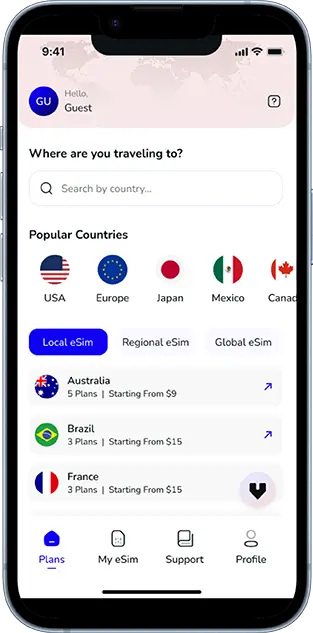
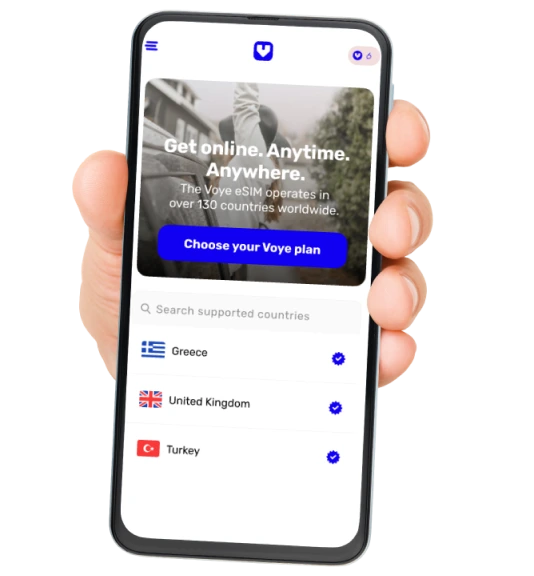
Another often overlooked expense is staying connected. Using a Voye Global eSIM for Austria can be a convenient and cost-effective way to access mobile data without relying on expensive roaming charges.
How to save money on your Austria trip?

Traveling to Austria does not have to be expensive if you plan wisely. Here are some practical tips to help you save money:
- Book flights and accommodations early to secure lower prices
- Stay outside city centers for more affordable lodging
- Use public transportation instead of taxis
- Take advantage of city passes and discounts
- Eat at local markets or casual eateries instead of high-end restaurants
These simple strategies can make a significant difference in your overall travel costs.
Is Austria worth the cost?
Austria offers a unique blend of history, culture, and natural beauty that makes it well worth the investment. From exploring grand palaces in Vienna to enjoying classical music in Salzburg and skiing in the Alps, the experiences you gain are truly unforgettable.
While it may not be the cheapest destination in Europe, Austria provides excellent value for money, especially when compared to other Western European countries. With careful planning, you can enjoy a rich and fulfilling trip without exceeding your budget.
Planning your Austria itinerary
The cost of your trip will also depend on how you structure your itinerary. A well-planned itinerary can help you make the most of your time and money.
For a one-week trip, consider spending a few days in Vienna, followed by a visit to Salzburg and nearby areas such as Hallstatt. If you have more time, adding Innsbruck or exploring the Austrian Alps can enhance your experience.
Multi-city trips can sometimes be more cost-effective, especially when booked as a package. Planning your route helps minimize transportation costs and allows you to allocate your budget more efficiently.
Travel Smart with eSIM
Get instant connectivity for your Austria trip anytime, anywhere.
Final thoughts on Austria travel costs
Understanding how much a trip to Austria costs allows you to plan with confidence and avoid unnecessary stress. Whether you are traveling on a tight budget or looking for a luxurious escape, Austria offers options that cater to every type of traveler.
By considering factors such as accommodation, transportation, food, and activities, you can create a realistic budget that aligns with your travel goals. Small adjustments, such as traveling during off-peak seasons or using cost-saving strategies, can make a big difference in your overall expenses.
Conclusion
A trip to Austria is an investment in unforgettable experiences, from stunning landscapes to rich cultural heritage. While the costs can vary, having a clear understanding of your budget helps you make informed decisions and enjoy your journey to the fullest.
With thoughtful planning and smart choices, Austria can be both accessible and rewarding. Whether it is your first visit or a return trip, the country promises memories that are truly worth every dollar spent.

Seamless Mobile Data Everywhere
Voye Global — Your Trusted eSIM Partner for Secure & Reliable Travel.



 English