














Note that iPhone devices from Mainland China aren’t eSIM compatible. Also iPhone devices from Hong Kong and Macao aren’t compatible (except for iPhone 13 Mini, iPhone 12 Mini, iPhone SE 2020 and iPhone XS)
For most travelers in 2026, Canada does not begin with a skyline or a café. It begins inside an airport terminal. From the moment wheels touch the runway, the experience is shaped by how efficiently you move, how quickly you get oriented, and how prepared you are to step beyond the airport doors.
Canada’s major airports are built around calm operations, logical layouts, and traveler-first design. To move at that pace in 2026, your arrival plan needs the same level of preparation, especially when it comes to staying connected the moment you land.
How Canadian Airports Set the Tone for the Entire Trip?
Canadian airports are built around flow. Clear signage, orderly customs areas, and predictable transit connections reduce friction for travelers arriving from long international flights. The goal is simple. Get people moving without confusion.
This efficiency works best when travelers are equally prepared. Accessing ride apps, hotel details, and digital boarding passes often depends on having mobile data available immediately. That is why many travelers think about connectivity before they even board the plane.
Which Canadian Airports Do Travelers Encounter Most Often?
Canada has several major airports that handle the bulk of international and domestic arrivals. Each one shares the same efficiency-first design, but the traveler experience varies slightly depending on location and traffic.
Toronto Pearson International Airport (YYZ)
Toronto Pearson is Canada’s busiest airport and often the first entry point for international travelers. Arrivals here move quickly when travelers are prepared, but the sheer size of the terminals means navigation decisions matter early. Having directions, transportation apps, and mobile data ready helps avoid unnecessary backtracking.
Vancouver International Airport (YVR)
Vancouver International Airport is known for its calm layout and strong signage. Travelers arriving here often comment on how intuitive the arrival flow feels. The airport connects directly to public transit, making it especially helpful to have connectivity ready for route planning right after customs.
Montréal–Trudeau International Airport (YUL)
Montréal–Trudeau serves as a key gateway for Europe-bound and transatlantic travelers. Bilingual signage is standard, and arrivals tend to move efficiently. Travelers benefit from quick access to maps and ride services, especially during peak arrival hours.
Calgary International Airport (YYC)
Calgary International Airport is often the arrival point for travelers heading to Western Canada or the Rockies. The airport is well-organized, but transportation options vary depending on time of day, making real-time connectivity useful immediately after landing.
Edmonton International Airport (YEG)
Edmonton International Airport serves as a major regional hub. Arrivals are typically less crowded than Toronto or Vancouver, but distances between airport and city make early transportation planning essential.
Skip Airport SIM Lines
Activate mobile data before flying and avoid airport setup delays.
What Happens First When You Land at a Canadian Airport?
Landing is only the start. The first thirty to sixty minutes after touchdown often decide how smooth the rest of the day feels.
Clearing immigration and customs efficiently
Canadian airports are structured to keep lines moving, especially at international arrival points. Having digital documents ready and understanding signage helps speed things up.
Collecting baggage without unnecessary delays
Most major airports separate domestic and international baggage areas clearly. Knowing where to go avoids backtracking through crowded terminals.
Making early decisions while still inside the terminal
This is where travelers check transportation options, confirm hotel details, and message contacts. All of it works better when mobile data is already available.

What Travelers Experience Between Touchdown and the Exit Doors?
The stretch between landing and leaving the airport is short but important. This is where travelers make quick decisions that affect the rest of the day. Transportation choices, navigation, and communication all happen in this window.
Relying on airport Wi Fi alone can slow things down. A more seamless option is having mobile data already active on arrival. This allows travelers to move through terminals with confidence instead of searching for solutions after landing.
Check out our plans
-

Canada 10 Days Unlimited Data
USD 29.00 -
Canada 15 Days Unlimited
USD 39.00 -
Canada 3 Days Unlimited
USD 15.00 -
Canada 20 Days Unlimited
USD 49.00 -
Canada 15 days 5GB
USD 22.00 -
Canada 30 days 10GB
USD 35.00
Why Connectivity Is Part of Modern Airport Planning?
Airports have evolved, and so have traveler expectations. Being connected is no longer about entertainment during the flight. It is about function after landing. Directions, payments, translations, and confirmations all rely on access to the internet.
Many travelers now choose digital connectivity options that work across borders. Solutions like eSIM make it possible to arrive ready, without visiting kiosks or changing physical SIM cards.
Connectivity Before Touchdown
Land with data already working across Canada’s major airports.
How Do Travelers Navigate Large Canadian Airports Without Getting Lost?
Canada’s busiest airports are large but logical. The key is understanding how they are designed.
Using terminal layouts to your advantage
Signage is consistent across Canadian airports. Color coding and clear icons make it easier to move between arrivals, exits, and transit links.
Knowing where ground transportation actually is
Ride pickup zones, trains, and buses are often outside the main exit doors but not always in obvious places. Most travelers rely on maps or apps to get this right the first time.
Avoiding the common mistake of stopping too early
Many travelers pause inside the terminal to figure things out. Those who move toward exits first often find clearer space and better signal reception.

Why Is Connectivity One of the First Problems Travelers Face?
The moment you land, your phone becomes essential. Directions, payments, confirmations, and communication all depend on it.
Airport Wi Fi is helpful but inconsistent
Some terminals offer strong Wi Fi, others do not. Coverage can drop in customs areas or baggage halls.
Physical SIM cards slow things down
Finding kiosks, comparing plans, and swapping SIMs adds friction at a time when travelers are tired.
Digital connectivity removes the pause
With eSIM-based solutions, travelers can stay online immediately, which keeps momentum going after landing.
Mistakes Travelers Commonly Make After Landing
| Common Mistake | Why It Slows Things Down |
|---|---|
| Waiting to arrange transportation | Ride prices increase and queues form |
| Relying only on Wi Fi | Signal drops in customs areas |
| Searching for SIM kiosks | Adds unnecessary delays |
| Not checking terminal exits | Leads to backtracking |
| Handling everything after landing | Causes avoidable stress |
How Do Prepared Travelers Stay Connected in Canada?
Travelers who plan ahead tend to move through airports faster and with less stress.
Activating mobile data before departure
This allows phones to connect automatically once the plane lands.
Using one solution across cities
Canada trips often involve multiple cities. A single setup avoids repeated configuration.
Choosing plans that match travel duration
This is where options like eSIM Canada plans become practical, especially for short visits or flexible itineraries.
One Less Arrival Task
Keep your phone connected without swapping physical SIM cards.
How Smart Travelers Stay Connected Across Canada?
Planning connectivity ahead of time is especially helpful when traveling through multiple cities or provinces. A single solution that works nationwide removes unnecessary steps from the journey.
Travelers often come across options such as prepaid eSIM Canada plans. These allow data access immediately after landing, aligning perfectly with the efficiency Canada’s airports are known for.
Why Planning Connectivity Before Landing Changes the Entire Arrival?
Staying connected should feel effortless, not like another task on arrival. Voye Global supports this idea by offering digital connectivity that activates before the journey begins.
Instead of searching for local options at the airport, travelers using Voye Global can focus on moving forward. The service works in the background, supporting navigation, communication, and planning from the first moments on the ground.
How Voye Global Supports Travelers Across 170+ Countries?
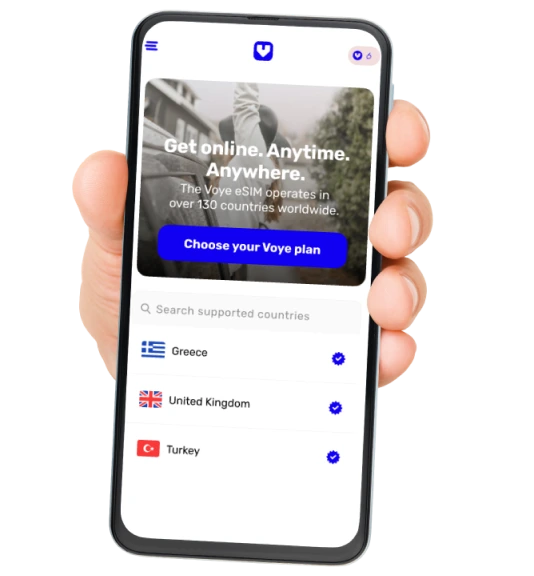
Voye Global is designed for travelers who move across borders and value simplicity. With coverage across 170+ countries, it allows travelers to use one solution for multiple destinations without managing multiple SIM cards or plans.
This approach works particularly well for Canada-bound travelers who may be continuing onward to other countries or arriving as part of a longer international trip.
Check out our plans
-
Canada 30 days 20GB
USD 49.00 -
Canada 30 Days Unlimited
USD 69.00 -
Canada 7 days 3GB
USD 15.00 -
Canada 7 Days Unlimited
USD 22.00
Why You Should Choose Voye Global for Your Travel Connectivity Needs?
Voye Global focuses on ease of use and reliability. Travelers activate their plan digitally and arrive with connectivity already in place. There is no need to visit stores or rely on inconsistent public networks.
For travelers navigating busy airports, this preparation supports smoother transitions and fewer delays during arrival.

How to Use Voye Global Before and After You Fly?
The process begins before departure. Travelers select a plan, install it on their device, and complete activation digitally. Once the plane lands, the connection starts automatically.
This setup matches modern travel habits, where preparation replaces last minute problem solving.
Benefits That Matter When Arriving at Canadian Airports
The biggest advantage is time. Immediate connectivity saves minutes that add up quickly during arrival. Travelers can book rides, confirm lodging, and navigate terminals without interruption.
For airports designed around efficiency, this kind of readiness makes a noticeable difference.
What to Keep in Mind as You Prepare for Arrival
Airports are no longer just transit points. They are the first real test of how prepared a traveler is. Flights, accommodation, and connectivity work best when planned together.
When connectivity is already taken care of, travelers can focus on getting where they need to go instead of sorting out tech at the airport.

Seamless Mobile Data Everywhere
Voye Global — Your Trusted eSIM Partner for Secure & Reliable Travel.



 English