














Note that iPhone devices from Mainland China aren’t eSIM compatible. Also iPhone devices from Hong Kong and Macao aren’t compatible (except for iPhone 13 Mini, iPhone 12 Mini, iPhone SE 2020 and iPhone XS)
Travel has always been shaped by technology. From the invention of the steam engine to the rise of commercial aviation, every major leap forward has changed how people explore the world. Today, we are living through another transformation, one that is quieter but far more powerful. Artificial intelligence and eSIM technology are redefining travel into something fully digital, highly personalized, and seamlessly connected.
This shift is not just about convenience. It is about removing friction at every step of the journey. Travelers now expect instant information, reliable connectivity, and experiences that adapt to their preferences in real time. AI and eSIMs are making this expectation a reality, creating an ecosystem where planning, booking, navigating, and sharing travel experiences happen almost effortlessly.
This blog explores how AI and eSIM technology are working together to create fully digital travel experiences. We will look at how travelers benefit, how businesses are adapting, and what the future holds for an industry that is becoming smarter by the day.
The Evolution of Travel in a Digital-First World
Not long ago, travel required a significant amount of preparation. Travelers printed boarding passes, carried physical maps, exchanged currency at airports, and bought local SIM cards upon arrival. Every destination came with uncertainty, especially when it came to staying connected.
The digital revolution changed the first layer of this experience. Online booking platforms replaced travel agents, GPS apps replaced paper maps, and smartphones became essential travel tools. Yet even with these advances, travelers still faced pain points such as roaming charges, unreliable Wi-Fi, language barriers, and information overload.
Today, travel is entering a new phase. Instead of simply digitizing existing processes, technology is reimagining the entire journey. AI analyzes traveler behavior and preferences. eSIM technology ensures instant global connectivity. Together, they eliminate many of the traditional obstacles that once defined international travel.
This is what we now call the fully digital travel experience.
Understanding Artificial Intelligence in Travel
Artificial intelligence in travel goes far beyond chatbots or automated emails. It refers to systems that can learn from data, recognize patterns, and make decisions or recommendations with minimal human input.
AI is now deeply embedded in how travelers plan, book, and experience trips. It works quietly in the background, optimizing everything from flight pricing to hotel availability and destination recommendations.
Some key ways AI is used in travel include:
- Predicting flight delays and suggesting alternative routes
- Recommending destinations based on past travel history
- Personalizing hotel and activity suggestions
- Translating languages in real time
- Enhancing security through biometric verification
What makes AI especially powerful is its ability to adapt. The more a traveler interacts with digital platforms, the better AI systems understand their preferences. This leads to more relevant suggestions and smoother journeys over time.
Travel Smarter with eSIM
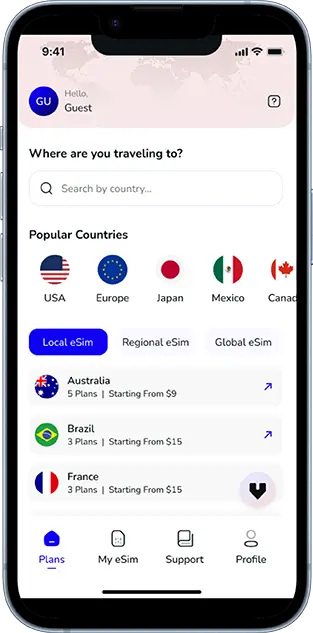
Stay connected globally with instant data and zero roaming stress.
The Role of eSIM Technology in Modern Travel
Connectivity is the backbone of digital travel. Without reliable internet access, even the most advanced travel apps lose their value. This is where eSIM technology plays a crucial role.
An eSIM is a digital SIM embedded directly into a device. Unlike traditional physical SIM cards, eSIMs can be activated remotely and switched between networks without changing hardware.
For travelers, this means:
- No need to buy or swap physical SIM cards
- Instant activation before or upon arrival
- Access to local data plans without roaming fees
- The ability to manage multiple profiles on one device
eSIMs remove one of the most frustrating aspects of international travel. Staying connected no longer requires searching for airport kiosks, dealing with language barriers, or worrying about compatibility issues.
When combined with AI-powered travel apps, eSIMs ensure that travelers are always online and able to access services in real time.
How AI and eSIMs Work Together
Individually, AI and eSIMs are powerful. Together, they create a travel ecosystem that feels almost intuitive.
Imagine landing in a new country. Your eSIM automatically connects to the best available local network. Your travel app detects your location and uses AI to suggest nearby restaurants based on your dietary preferences. It sends a notification about local customs, weather conditions, and transportation options.
This level of integration is becoming increasingly common.
Key synergies between AI and eSIM technology include:
- Real-time data analysis powered by constant connectivity
- Location-based recommendations and alerts
- Instant access to cloud-based travel services
- Seamless updates to itineraries and bookings
The result is a travel experience that feels guided but not intrusive, personalized but not overwhelming.
Digital Trip Planning Powered by AI
Planning a trip used to involve hours of research across multiple websites. Travelers compared prices, read reviews, and tried to predict what they might enjoy. AI has transformed this process into something far more efficient.
Modern travel platforms use AI algorithms to analyze millions of data points. These include traveler reviews, seasonal trends, pricing fluctuations, and individual user behavior.
Benefits of AI-driven trip planning include:
- Personalized destination suggestions
- Optimized itineraries based on time and budget
- Dynamic pricing alerts
- Smart bundling of flights, hotels, and activities
Instead of starting with a blank slate, travelers receive curated options that align with their interests. This reduces decision fatigue and increases satisfaction.
Travel Without Connectivity Limits
Activate your eSIM instantly and enjoy seamless data access in every destination.
Smart Booking and Dynamic Pricing
One of the most visible impacts of AI in travel is dynamic pricing. Flight and hotel prices now change constantly based on demand, availability, and booking patterns.
AI systems monitor these fluctuations and adjust prices in real time. For travelers, this can mean better deals when booking at the right moment.
AI also helps by:
- Predicting when prices are likely to rise or fall
- Suggesting alternative dates or routes
- Automatically rebooking when better options become available
This level of automation would not be possible without reliable connectivity. eSIMs ensure that travelers receive updates instantly, even while on the move.
Airport Experiences Go Fully Digital
Airports are often the most stressful part of travel. Long lines, confusing layouts, and last-minute changes can test anyone’s patience. AI is helping airports become smarter and more efficient.
Digital boarding passes, biometric check-ins, and AI-powered security systems are becoming more common. These technologies reduce wait times and improve safety.
Key digital airport innovations include:
- Facial recognition for faster boarding
- AI-based crowd management
- Real-time gate and delay notifications
- Personalized navigation assistance within terminals
With eSIM connectivity, travelers receive instant alerts and directions, ensuring they never miss a flight due to lack of information.
Personalized In-Destination Experiences
Once travelers arrive at their destination, AI continues to enhance the experience. Digital travel apps use location data and user preferences to provide tailored recommendations.
Examples include:
- Restaurant suggestions based on previous dining choices
- Attraction recommendations aligned with interests
- Language translation and cultural tips
- Smart navigation that avoids crowds or traffic
This personalization turns travel into a more immersive experience. Travelers feel understood rather than overwhelmed by options.
The Rise of Contactless and Cashless Travel
Digital travel is also reducing the need for physical interactions. Contactless payments, digital tickets, and mobile check-ins are becoming standard across the industry.
AI helps secure these systems by detecting fraud and monitoring unusual behavior. eSIMs ensure that payment apps and digital wallets function smoothly across borders.
Advantages of contactless travel include:
- Faster transactions
- Improved hygiene
- Reduced dependency on local currency
- Greater transparency in spending
For many travelers, especially frequent ones, this level of convenience is no longer optional. It is expected.
Social Sharing and Real-Time Content Creation
Travel today is deeply intertwined with digital storytelling. Travelers share experiences on social media, create content in real time, and rely on instant feedback from their networks.
AI enhances this by:
- Automatically tagging locations and landmarks
- Enhancing photos and videos
- Suggesting optimal posting times
- Curating memories into digital albums
eSIM connectivity ensures that travelers can upload content instantly without worrying about Wi-Fi availability.
This constant sharing also influences future travelers, creating a cycle where digital experiences inspire new journeys.
AI-Powered Customer Support for Travelers
Customer support has traditionally been a pain point in travel. Long wait times and inconsistent information often lead to frustration. AI is changing this through intelligent virtual assistants.
Modern travel support systems offer:
- 24/7 assistance through chat and voice
- Instant answers to common questions
- Automated rebooking during disruptions
- Multilingual support
Because eSIMs provide reliable connectivity, travelers can access help whenever they need it, regardless of location.
Power Your Digital Journey
Reliable global data that supports AI travel apps and real-time experiences.
Data, Privacy, and Trust in Digital Travel
As travel becomes more digital, data privacy becomes a critical concern. AI systems rely on large amounts of personal data to function effectively. This includes location, preferences, and behavioral patterns.
Travel companies must balance personalization with transparency. Clear consent mechanisms, secure data storage, and ethical AI practices are essential.
Travelers also play a role by:
- Understanding app permissions
- Using secure networks
- Choosing trusted digital services
When handled responsibly, data-driven travel can be both safe and highly rewarding.
How Travel Businesses Are Adapting
Hotels, airlines, and tour operators are rapidly adapting to this digital shift. Those that embrace AI and eSIM-friendly services gain a competitive advantage.
Key business adaptations include:
- AI-driven customer insights
- Digital check-in and check-out processes
- Personalized marketing campaigns
- Seamless mobile-first experiences
Businesses that fail to adapt risk falling behind as travelers increasingly expect frictionless digital journeys.
Sustainability and Smarter Travel Decisions
AI also plays a role in promoting sustainable travel. By analyzing data, AI systems can suggest eco-friendly options and optimize resource usage.
Examples include:
- Recommending greener transportation options
- Reducing over-tourism through demand management
- Optimizing energy use in hotels
- Encouraging off-season travel
Digital travel experiences help travelers make informed choices that benefit both destinations and the environment.
The Future of Fully Digital Travel Experiences
The integration of AI and eSIM technology is still evolving. Future developments are likely to include even deeper personalization and automation.
Potential future trends include:
- AI travel companions that plan and adjust trips autonomously
- Predictive travel experiences based on mood and behavior
- Greater integration with smart devices and wearables
- Enhanced virtual and augmented reality previews
As these technologies mature, travel will feel less like a series of tasks and more like a continuous, guided experience.
Why Fully Digital Travel Is Here to Stay
The rise of fully digital travel experiences is not a temporary trend. It reflects a fundamental change in how people move through the world. Travelers want simplicity, reliability, and personalization. AI and eSIMs deliver exactly that.
They reduce uncertainty, save time, and empower travelers to focus on what truly matters: experiencing new places and cultures.
For businesses, embracing this transformation is no longer optional. It is essential for staying relevant in an increasingly competitive market.
Final Thoughts
AI and eSIM technology are reshaping travel in ways that were unimaginable just a decade ago. Together, they create a seamless digital ecosystem that supports travelers from inspiration to return.
The fully digital travel experience is not about replacing human connection. It is about removing barriers so that travelers can engage more deeply with the world around them.
As technology continues to evolve, one thing is clear. The future of travel is connected, intelligent, and digital by design.

Seamless Mobile Data Everywhere
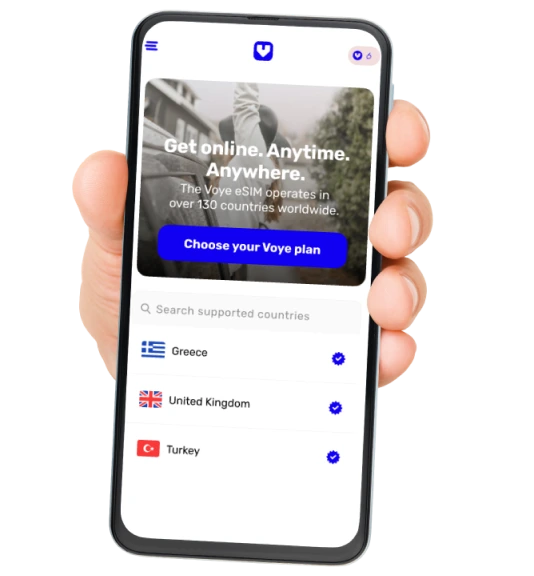
Voye Global — Your Trusted eSIM Partner for Secure & Reliable Travel.



 English