














Note that iPhone devices from Mainland China aren’t eSIM compatible. Also iPhone devices from Hong Kong and Macao aren’t compatible (except for iPhone 13 Mini, iPhone 12 Mini, iPhone SE 2020 and iPhone XS)
Travelers often dream of exploring Asia because it offers culture, landscapes, food, and adventure at a price that feels almost unreal compared to Western destinations. From misty mountains to tropical islands and ancient temples, the continent provides experiences that would cost thousands of dollars elsewhere. Yet one question keeps coming up among backpackers and first-time international travelers alike. Which country in Asia is truly inexpensive to visit?
The answer is not as simple as naming one place, but if we look at average daily expenses, Laos is widely considered the least expensive country in Asia to travel to. Close behind are Vietnam, Cambodia, India, Indonesia, Nepal, and Thailand. Each offers remarkably low accommodation costs, inexpensive meals, and affordable transportation. This guide explains why Laos tops the list and compares other ultra-budget destinations so you can plan a trip that stretches every dollar while still feeling rich in experiences.
Stay Connected in Asia
Instant mobile data across borders without physical SIM hassle.
Why Laos Is Often the Least Expensive Asian Country?
Laos remains one of Southeast Asia’s most underrated destinations. Unlike neighboring Thailand or Vietnam, it has fewer crowds and a slower pace of life. Because tourism is still developing, prices remain extremely low across the board.
A backpacker in Laos can comfortably travel on about $20 to $30 per day. Even mid-range travelers often spend less than $50 daily.
Accommodation is where you notice the savings first. In cities like Luang Prabang and Vang Vieng, hostels regularly cost $6 to $8 per night. Guesthouses with private rooms may cost $12 to $18. These prices include clean beds, WiFi, and often breakfast.
Food is even less expensive. Street vendors sell noodle soup, fried rice, and baguette sandwiches for about $1.50 to $2.50. Restaurants rarely exceed $4 per meal unless you choose upscale dining.
Transportation also keeps budgets low. Local buses and minivans between cities cost only a few dollars, and scooter rentals often run about $5 per day.
Daily Cost Breakdown in Laos
Understanding daily expenses helps you plan a realistic budget.
| Category | Details | Typical Cost (USD) |
| Accommodation | Dorm bed | $6 to $8 |
| Private guesthouse | $12 to $18 | |
| Food | Street food meal | $2 |
| Restaurant meal | $3 to $5 | |
| Transportation | Local bus ride | $1 to $6 |
| Scooter rental (per day) | $5 | |
| Activities | Temple entry | $1 to $3 |
| Waterfall visit | $2 to $5 | |
| River tubing | $6 to $10 |
Compared to Europe or North America, you could travel three weeks in Laos for the price of one week in a major Western city.
Vietnam Offers Incredible Value
Vietnam is slightly more developed than Laos, but still extremely affordable. Many travelers actually combine the two countries in one itinerary because they share a border, and buses exist.
Vietnam is famous for its street food culture. Dishes like pho, banh mi, and fresh spring rolls cost about $1 to $2 from local vendors. Coffee is also incredibly inexpensive, often less than $1.
Hostels typically range from $5 to $10 per night, and private rooms average $15 to $25. Intercity travel is very budget-friendly thanks to overnight buses and trains. A 12-hour sleeper bus ride can cost as little as $15.
What makes Vietnam special is that you can experience big cities, beaches, mountains, and historic towns without increasing your budget. Ha Long Bay cruises and trekking in Sapa add cost but remain less expensive than similar tours anywhere else in the world. If you are planning to explore multiple countries in this region, our Southeast Asia travel guide can help you map out routes, border crossings, and seasonal considerations.
Reliable Travel Internet
Seamless connectivity across multiple Asian destinations during your journey.
Cambodia Combines History and Low Prices
Cambodia ranks just slightly above Laos in cost but still qualifies as one of the least expensive countries in Asia to travel to. It is especially popular for the temples of Angkor Wat.
Accommodation remains inexpensive, with hostel beds often around $5 to $7 and private hotel rooms under $20. Street food meals average $2 to $3.
The main expense is the Angkor temple pass, which costs more than daily living, yet even with that ticket, Cambodia remains affordable overall.
Phnom Penh offers museums and history, while Siem Reap serves as the gateway to ancient temples. Coastal towns like Kampot and Kep provide relaxing river scenery at low prices.
India Is Extremely Affordable With Variety
India deserves a place on this list because it offers perhaps the widest range of travel styles at extremely low prices. A traveler can visit deserts, mountains, beaches, and megacities all within one country.
Budget guesthouses frequently cost $8 to $15. Street food like samosas, dosas, and thali meals can cost less than $2. Long-distance train travel allows you to see large portions of the country.
However, India varies by region. Tourist hubs such as Goa and major cities like Mumbai are pricier than smaller towns. Still, careful planning makes it one of the best budget destinations on Earth.
Check out our plans
-

Asia 7 days 3GB
EUR 8 -
Asia 7 Days Unlimited
EUR 13 -
Asia 15 days 5GB
EUR 13 -
Asia 15 Days Unlimited
EUR 22 -
Asia 60 days 20GB
EUR 31 -
Asia 30 Days Unlimited
EUR 37
Indonesia Beyond Bali
Indonesia is often associated with Bali, but the country has thousands of islands. Outside of popular beach resorts, guesthouses may cost $10 to $15, and local meals about $2.
Scooter rentals are extremely common and allow independent exploration for a few dollars a day. You can hike volcanoes, visit temples, and snorkel in clear waters while keeping costs low.
Bali itself can be affordable if you avoid luxury areas and eat at local warungs, which are family-owned restaurants serving traditional food.
Nepal for Adventure Travelers
Nepal is one of the world’s best budget destinations for nature lovers and trekkers. While trekking permits add cost, daily living expenses remain very low.
Guesthouses in Kathmandu or Pokhara often cost $6 to $12. Meals average $2 to $4. Even guided trekking routes can be less expensive than a single-day hike in many Western countries.
The Himalayas provide unforgettable scenery. Trekking routes such as the Annapurna region allow travelers to walk through villages, forests, and mountain viewpoints without luxury tour prices.
Thailand Remains Affordable
Thailand is more developed and popular than other destinations listed, but it is still surprisingly budget-friendly. Street food stalls serve noodles, rice dishes, and fruit smoothies for about $1 to $2.
Hostels in cities like Chiang Mai cost around $6 to $9. Transportation is efficient, with buses and trains connecting the country. Islands can be more expensive, but mainland regions remain budget-friendly.
Thailand also offers excellent infrastructure, making it ideal for first-time travelers to Asia who want comfort without high costs. If you are comparing affordability with overall travel experience, our guide on the best country to visit in Asia can help you evaluate destinations based on budget, culture, and accessibility
Best Time to Travel for Lowest Costs

Season matters when you want the least expensive trip. The shoulder and rainy seasons often bring major savings.
In Southeast Asia, May to October is considered the wet season. While occasional rain showers occur, prices for hotels and tours drop significantly. You also encounter fewer crowds and better negotiation opportunities in markets.
Nepal and northern India are best visited outside peak trekking seasons if you want the lowest prices. Winter months offer less expensive accommodation and clear skies in some regions.
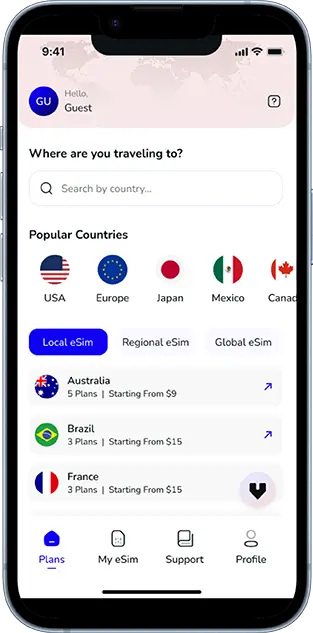
Travelers today also rely heavily on connectivity. Many visitors now purchase a Voye Global eSIM for Asia before arrival, so maps, translation apps, and booking platforms work instantly without needing a local SIM card for each country.
Practical Budget Travel Strategies
Smart planning can reduce daily spending even further.
- Choose local transportation. Public buses, shared vans, and trains cost a fraction of taxis.
- Eat street food. Local vendors serve fresh meals at the lowest prices.
- Stay in guesthouses. Family-run accommodations are culturally immersive.
- Travel slowly. Longer stays often reduce nightly room rates.
Quick Money Saving Checklist
- Carry small cash denominations for local markets
- Book accommodations directly when possible
- Use refillable water bottles to avoid daily purchases
- Visit free attractions such as temples and nature sites
Travel Asia Without Roaming
Avoid roaming charges and access reliable internet across Asian destinations.
Planning a Multi-Country Budget Trip
Many travelers extend their savings by combining several countries. A common route begins in Thailand, continues to Laos, and then moves into Vietnam or Cambodia. This allows you to experience diverse cultures while maintaining a small budget.
Border crossings between these nations are inexpensive and straightforward. Buses frequently connect major cities, and visa fees are generally modest.
The key to saving money is flexibility. Booking transportation locally instead of far in advance often provides lower prices in Southeast Asia.
Traveling through Asia on a budget is not about sacrificing comfort. It is about choosing destinations where your currency stretches further, allowing longer stays and richer experiences.
Conclusion
Laos stands out as the least expensive country in Asia to travel to, offering a rare combination of affordability and authenticity. Travelers can visit waterfalls, Buddhist temples, night markets, and river landscapes without constantly checking their wallets. Nearby countries such as Vietnam, Cambodia, India, Indonesia, Nepal, and Thailand also deliver remarkable value, giving you multiple options depending on your interests.
Ultimately, Asia remains the best region in the world for budget travel. With smart planning, local food, and simple accommodations, a traveler can explore cultures, cuisines, and landscapes for a fraction of typical international travel costs. The result is not only savings but also deeper connections with places and people, proving that the most memorable journeys do not have to be the most expensive.

Seamless Mobile Data Everywhere
Voye Global — Your Trusted eSIM Partner for Secure & Reliable Travel.




 English